

View Poll Results: Do you fill up the oil filter?
Yes


42
39.25%
No


65
60.75%
Voters: 107. You may not vote on this poll
Filling Oil Filter Before Putting It On?


Thread Starter
Senior Member
Joined: Apr 2007
Posts: 179
Filling Oil Filter Before Putting It On?
Do you fill your new filter up with oil before putting it back on the car or just put it back on empty. I read somewhere that it's better to fill it up but I'm not sure if I should do it or not on my next oil change.


Senior Member

Joined: Jun 2003
Posts: 1,994
From: Colorado Springs, Colorado
The oil filter in my 04 Max goes into the VQ engine horizontally. If I pour oil into this filter, it
would run out on my garage floor before I got the filter tight. So for the Max the filter is empty.
In my Dodge truck, I do fill the new filter before installing it. So how should I vote?
I am both a No (Maxima) and a Yes (Ram). I have not voted, yet.
would run out on my garage floor before I got the filter tight. So for the Max the filter is empty.
In my Dodge truck, I do fill the new filter before installing it. So how should I vote?
I am both a No (Maxima) and a Yes (Ram). I have not voted, yet.

Old Fuddy Duddy
Joined: Feb 2001
Posts: 2,712
Originally Posted by Love_00_Max
Old school -- not needed in the modern engines of today
Yes, because starting and engine without oil is a GOOD thing. :rolly eyes: I didnt realize the properties of lubrication from yesteryear to todays cars changed?
Not sure how you guys are doing it but I can get the filter about 3/4 full and not spill it. Key is the tip and quick spin. I have been doing this for all my cars. Easy access filters make it easier. Ones on the back of the block with the manifold and coolant lines around it make it virtually impossible.
Its always better for the engine. Constant supply of oil is best. The less time w/o oil equals much more wear.
Senior Member
Joined: Jun 2003
Posts: 1,994
From: Colorado Springs, Colorado
Originally Posted by Colonel
Its always better for the engine. Constant supply of oil is best.
The less time w/o oil equals much more wear.
The less time w/o oil equals much more wear.
two factors that cause me to not pre-fill the filter on my Max (even though I do it on my Ram):
- The cost of synthetic motor oil is high enough that I don't want to chance wasting any by spilling it.
- The coating that synthetic motor oil leaves in the cylinders, etc is sufficient to provide the needed
protection for the few seconds it takes for the oil filter to fill with oil and oil supply to reach all points
in the engine.
For others reading this, it's your call. I'd be more inclined to do a partial pre-fill of the new filter if
I were using dino motor oil rather than synthetic.

Senior Member
Joined: Jun 2003
Posts: 1,994
From: Colorado Springs, Colorado
That's the correct question.
An oil filter is designed to pass oil (and filter out dirt) -- not to absorb motor oil
as you seem to imply. So the oil will pour out if you tip the filter horizontally --
particularly fast if it has been completely filled.
An oil filter is designed to pass oil (and filter out dirt) -- not to absorb motor oil
as you seem to imply. So the oil will pour out if you tip the filter horizontally --
particularly fast if it has been completely filled.

I don't fill mine, messy and unnecessary. I use dino. I haven't made the synthetic switch yet. I haven't heard of anyone seizing their engines because of the first knock of each oil change.
Old Fuddy Duddy
Joined: Feb 2001
Posts: 2,712
Honestly, I dont spill.
But I DO like engine designers spending more time thinking about placement. On my wifes Rav, its completly vertical meaning I get to fill the oil to the tippy top. Makes me happy. Also my swapped MR2 motor had it like 60 degree angle.
Like stated above, its a personal call.
But I DO like engine designers spending more time thinking about placement. On my wifes Rav, its completly vertical meaning I get to fill the oil to the tippy top. Makes me happy. Also my swapped MR2 motor had it like 60 degree angle.
Like stated above, its a personal call.
It doesn't spill. I fill it up once and it goes back down. usually fill it up a bit again. Hold at angle and rotate. When ready, quickly attach filter and spin on. Some of us have skiltz.
BTW. synthetics don't really 'stick' to the engine any better than normal oils does.
BTW. synthetics don't really 'stick' to the engine any better than normal oils does.



I personally say waste of time. You know on the V6 4Runner/Tacoma's the filter is unside down next to the valve cover and has a catch area that drains back down. So that filter is never full even after you turn the car off.
Senior Member
Joined: Jun 2003
Posts: 1,994
From: Colorado Springs, Colorado
Originally Posted by Jeff92se
BTW. synthetics don't really 'stick' to the engine any better than normal oils does.
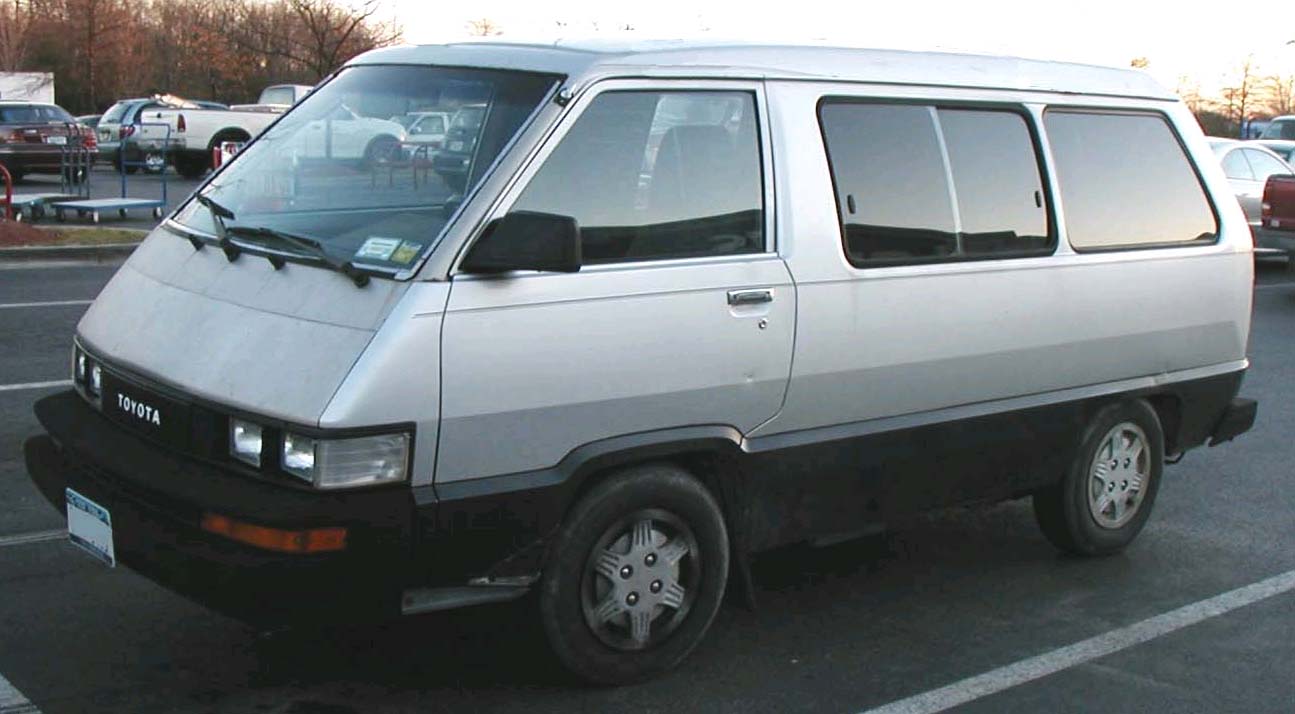
I owned a 1984 Toyota mini van in which I was running synthetic motor oil. One evening in
the early 1990's I drove the van to the gas station to fill it up (my wife never pumped gas in
any vehicle and the van was her normal vehicle). On the way back home, I noticed that the
engine sounded different. I then looked and saw there was no oil pressure. I drove the van
home -- about 2 miles -- and put more oil in the engine. This oil essentially ran out on the
driveway. I then drove this van -- with no oil in the engine -- about 10 more miles to my
mechanic's shop (he had a night drop off) going no faster than 35 mph.
Turns out that a plug in the oil pan had blown out and all of the oil was lost. My mechanic
checked and found no damage to the engine in this mini-van. We drove this van until early
1998 and never had a problem with this engine.
Would not want to have done this with dino oil in the engine.
This Toyota engine was a little 2 liter without extra valves that had to turn some RPM's to
really develop any power. So it continued to get hard use -- particularly when we drove on
vacation from Chicago to SC. On I-75 in KY and TN, the engine needed to shift down to 3rd
gear (4 speed auto trannie) to maintain speed (70 mph) on the steeper hills on that road.
Senior Member
Joined: Jun 2003
Posts: 1,994
From: Colorado Springs, Colorado
That looks like a slightly more recent model year than the one I had
-- but it's close. The driver and shot-gun sat on top of the engine.
About 2 years after I bought mine (the second one that dealer
ever sold), Toyota put a slightly larger engine in this model.
I believe it went from 2.0 L to either 2.2 or 2.5 L.
All were rear wheel drive.
-- but it's close. The driver and shot-gun sat on top of the engine.
About 2 years after I bought mine (the second one that dealer
ever sold), Toyota put a slightly larger engine in this model.
I believe it went from 2.0 L to either 2.2 or 2.5 L.
All were rear wheel drive.

Guest
Posts: n/a
Originally Posted by SilverMax_04
- The coating that synthetic motor oil leaves in the cylinders, etc is sufficient to provide the needed
protection for the few seconds it takes for the oil filter to fill with oil and oil supply to reach all points
in the engine.
protection for the few seconds it takes for the oil filter to fill with oil and oil supply to reach all points
in the engine.
hey silvermax, what coating(s) are you referring to?
the 3 protective coatings that I'm aware of are:
- ZDDP
- molybdenum
- polarized esters
there may be others I don't know about.
ZDDP is used in all motor oils. moly is used in most synthetics, and many dino oils as well. esters, however, are usually only found in synthetic oils, with the exception of the now discontinued Castrol "Start Up" line that apparently had the same esters found in GC.
I have no basis to judge the effectiveness of plain old ZDDP vs. esters for "dry start" protection. however, my personal opinion is that dry operation should be kept to an absolute minimum, which means pre-filling the filter as best you can.
as suggested by Jeff92se, if you fill the oil filter to the very top, the oil will naturally soak through the media and into the input side, until an equilibrium is reached (about 1/2 full). you will likely spill some of the oil as you install, but at least the filter will be 1/3-1/2 full upon dry start.
also -- I recommend changing the oil immediately after running the engine. this way the oil does not have a chance to drain from the top end -- further reducing any compounded "dry start" wear that would exist with a cold engine *and* an empty oil filter. of course you leave more old oil in there, but I prefer that to an extended dry start condition.

Member
Joined: May 2005
Posts: 34
Originally Posted by Colonel
Yes, because starting and engine without oil is a GOOD thing. :rolly eyes: I didnt realize the properties of lubrication from yesteryear to todays cars changed?
Not sure how you guys are doing it but I can get the filter about 3/4 full and not spill it. Key is the tip and quick spin. I have been doing this for all my cars. Easy access filters make it easier. Ones on the back of the block with the manifold and coolant lines around it make it virtually impossible.
Its always better for the engine. Constant supply of oil is best. The less time w/o oil equals much more wear.
Not sure how you guys are doing it but I can get the filter about 3/4 full and not spill it. Key is the tip and quick spin. I have been doing this for all my cars. Easy access filters make it easier. Ones on the back of the block with the manifold and coolant lines around it make it virtually impossible.
Its always better for the engine. Constant supply of oil is best. The less time w/o oil equals much more wear.
 ..........

Oil get pumped into a filter not sucked out so filling it up does not really do anything, if you ever saw a car with a filter that was not put on tight or improperly soon as you start it up the oil pours out.
Guest
Posts: n/a
Originally Posted by STARR
Oil get pumped into a filter not sucked out so filling it up does not really do anything, if you ever saw a car with a filter that was not put on tight or improperly soon as you start it up the oil pours out.
so -- pre-filling the filter reduces the amount of time it takes for oil to flow and pressure to build, and therefore reduces "dry start" duration. this is precisely why most oil filters have ADBVs (anti drain-back valves). they are not a marketing gimmick.
I think it is common knowledge that oil is pumped through a filter, and it is irrelevant to the discussion.
Senior Member
Joined: Jun 2003
Posts: 1,994
From: Colorado Springs, Colorado
IMHO, this is a very minor issue. If this were a big issue, Nissan (and other
auto manufacturers) would mention this in the owners manual -- it's not there.
Pre-fill the filter or not -- it's your call. I will continue to pre-fill my Dodge truck
because I don't have to tilt the filter sideways to mount it to the engine.
I will continue to NOT pre-fill my Max filter because of the sideways mount.
As for the time it takes the oil pump to fill the filter and then move oil to the whole
engine. I would estimate that time to be about 5 seconds or so. I would estimate
that time for a partially filled filter to be about 2 seconds. So I'm losing about
3 seconds. No big deal.
Running Mobil 1, I feel safe not doing a pre-fill on the Max -- but would if the filter did
not need to be tipped.
auto manufacturers) would mention this in the owners manual -- it's not there.
Pre-fill the filter or not -- it's your call. I will continue to pre-fill my Dodge truck
because I don't have to tilt the filter sideways to mount it to the engine.
I will continue to NOT pre-fill my Max filter because of the sideways mount.
As for the time it takes the oil pump to fill the filter and then move oil to the whole
engine. I would estimate that time to be about 5 seconds or so. I would estimate
that time for a partially filled filter to be about 2 seconds. So I'm losing about
3 seconds. No big deal.
Running Mobil 1, I feel safe not doing a pre-fill on the Max -- but would if the filter did
not need to be tipped.

Guest
Posts: n/a
look at it this way -- your crank will "dry spin" about 100 times with no oil flow if you put a dry filter on. it will spin ~40 such times if you pre-fill (using silvermax's #s above).
pre-filling is free insurance against any wear that might occur in those extra 60 dry revolutions of the crank (you will spill less than 10 cents of oil, and that is as free as it gets). so cost is a non-issue.
and since you will spill much more when taking the old filter off, mess is a non-issue.
syn or dino - your bearings will be spinning dry with no hydrodynamic lubrication for 60 extra revs. so imo oil quality doesn't really factor in here -- even dino is loaded with ZDDP, which is a key protector during metal-metal contact (e.g. absence of oil pressure).
in short, I see no reason not to pre-fill. it's quick, easy, free insurance.
Nissan doesn't specify it, but they should. they also don't specify brake fluid or regular ATF changes, but they should.
pre-filling is free insurance against any wear that might occur in those extra 60 dry revolutions of the crank (you will spill less than 10 cents of oil, and that is as free as it gets). so cost is a non-issue.
and since you will spill much more when taking the old filter off, mess is a non-issue.
syn or dino - your bearings will be spinning dry with no hydrodynamic lubrication for 60 extra revs. so imo oil quality doesn't really factor in here -- even dino is loaded with ZDDP, which is a key protector during metal-metal contact (e.g. absence of oil pressure).
in short, I see no reason not to pre-fill. it's quick, easy, free insurance.
Nissan doesn't specify it, but they should. they also don't specify brake fluid or regular ATF changes, but they should.
Originally Posted by sky jumper
Nissan doesn't specify it, but they should. they also don't specify brake fluid or regular ATF changes, but they should.
They don't mention fuel filter changes either.

Senior Member
Joined: Jul 2003
Posts: 836
From: Central Iowa
I don't pre-fill for the exact same reasons as SilverMax. I do remember a commercial for a syn oil (don't remember which) a number of years back, in which they had five or six engines on stands @WOT. They then pulled the drain plugs on all the engines and timed them to seizure. All the engines using brand name dino oils seized in moments, and the syn oil engine kept running several minutes before seizing.
Another commercial, for Castrol Syntec, I believe, had them running an Intrepid on a track in excess of 100 mph, then draining the oil and putting just one quart back in. They then took the car back onto the track @ 100mph for over 24 hours!
I remember thinking at the time that this feat said as much or more about the engine's lubrication system as it did the oil.
Mike
Another commercial, for Castrol Syntec, I believe, had them running an Intrepid on a track in excess of 100 mph, then draining the oil and putting just one quart back in. They then took the car back onto the track @ 100mph for over 24 hours!
I remember thinking at the time that this feat said as much or more about the engine's lubrication system as it did the oil.
Mike
Originally Posted by Jeff92se
It doesn't spill. I fill it up once and it goes back down. usually fill it up a bit again. Hold at angle and rotate. When ready, quickly attach filter and spin on. Some of us have skiltz.
I actually keep pouring until it stops soaking in, and then fill it maybe a third of the way after that. I've never had a spill...
IMO it's more than worth the effort. Cold starts are responsible for almost all wear and tear on your engine. Why make it worse, even once every several thousand miles, when prevention is so easy?
Originally Posted by Jeff92se
BTW. synthetics don't really 'stick' to the engine any better than normal oils does.
Generally VERY true of Group IV oils.
Not true of Group V oils.

Supporting Maxima.org Member
Joined: Apr 2004
Posts: 1,307
Originally Posted by d00df00d
I actually keep pouring until it stops soaking in, and then fill it maybe a third of the way after that. I've never had a spill...

Senior Member
Joined: Jul 2002
Posts: 2,835
If anyone has ever torn down an engine you will see that oil is still present on the bearing surfaces long after the oil pan has been drained. Unless you start your engine at WOT after changing your oil it won't have a "dry start." In the few seconds it takes to fill the oil filter and reach minimum oil pressure that residual oil will suffice. Adhesion is part of the oils performance. I do not pre fill the oil filters on either of my VQ engines.
Guest
Posts: n/a
Originally Posted by Zero Deuce SE
If anyone has ever torn down an engine you will see that oil is still present on the bearing surfaces long after the oil pan has been drained. Unless you start your engine at WOT after changing your oil it won't have a "dry start." In the few seconds it takes to fill the oil filter and reach minimum oil pressure that residual oil will suffice. Adhesion is part of the oils performance. I do not pre fill the oil filters on either of my VQ engines.
do what you will, but you are not minimizing post-change start-up wear.
I pre-fill my oil filters, and my bearing wear numbers are among the lowest of any VQ I've seen.
Senior Member
Joined: Jul 2002
Posts: 2,835
Originally Posted by sky jumper
I have torn down at least 10 engines, and rebuilt a few. the oil left on the bearings is not sufficient to maintain hydrodynamic lubrication. that takes oil flow/pressure. this is why some 95% of bearing wear occurs in the few seconds at cold start -- once pressure builds in the bearing journals there is no metal-metal contact (under normal conditions). this takes oil pressure, not just a little left over oil clinging to the bearing surfaces.
do what you will, but you are not minimizing post-change start-up wear.
I pre-fill my oil filters, and my bearing wear numbers are among the lowest of any VQ I've seen.
do what you will, but you are not minimizing post-change start-up wear.
I pre-fill my oil filters, and my bearing wear numbers are among the lowest of any VQ I've seen.
For the few seconds it takes to pressurize the oil gallery that oil will suffice unless like I stated earlier you start the engine at WOT. We have a 94 Ford F250 that ran without oil for 5 minutes without any problem. That was 9 years ago. That engine now has close to 300,000 miles on it and has never torn down or shown any signs of bearing or ring damage. That "dry startup" is hyped up way more than it should be IMHO.
We had a 1981 John Deere 850 bulldozer that suffered bearing damage after running without oil for about a minute. It was not idling though. When we torn down the lower part of the engine there were only 2 of the six vearings seized. We had the crank turned and installed oversized bearings. Once it was back together it ran like nothing happened.
Guest
Posts: n/a
Originally Posted by Zero Deuce SE
For the few seconds it takes to pressurize the oil gallery that oil will suffice unless like I stated earlier you start the engine at WOT. We have a 94 Ford F250 that ran without oil for 5 minutes without any problem. That was 9 years ago. That engine now has close to 300,000 miles on it and has never torn down or shown any signs of bearing or ring damage. That "dry startup" is hyped up way more than it should be IMHO.
We had a 1981 John Deere 850 bulldozer that suffered bearing damage after running without oil for about a minute. It was not idling though. When we torn down the lower part of the engine there were only 2 of the six vearings seized. We had the crank turned and installed oversized bearings. Once it was back together it ran like nothing happened.
We had a 1981 John Deere 850 bulldozer that suffered bearing damage after running without oil for about a minute. It was not idling though. When we torn down the lower part of the engine there were only 2 of the six vearings seized. We had the crank turned and installed oversized bearings. Once it was back together it ran like nothing happened.
think of it this way, why would auto makers specify ADBVs on their oil filters if the first few seconds didn't matter? if dry starts didn't cause more wear, there would be no such thing as ADBVs. yes they do serve a purpose.
like I said, by failing to pre-fill the oil filter you are exacerbating start-up wear unnecessarily. why cause more wear when you don't have to? and it takes no effort not to? it just doesn't make sense.
will it kill your engine before you would otherwise want to sell the car?? most likely not -- but that is not the point.
people that bother to think about these issues are concerned with minimizing wear and maximizing engine life -- otherwise they wouldn't be here. that is the point of this thread. pre-filling the oil filter will help minimize wear, and that's a fact. nothing you have said, or could say, changes that.
now you can make the personal choice to accept that extra wear, and that's fine. but don't come on here and tell other people that it doesn't make a difference - because that's not true, and it's bad advice.
btw -- you might drop the bold italics. it is bad form, and does not make your posts more important/valid than anyone else's.


Ever compare the bearing clearances of an old Ford V8 vs a tight tolerance Nissan V6 with micropolished bearing surfaces?
If you don't want to fill the filter, don't. I don't particularly like ice skating uphill if I don't need to.
If you don't want to fill the filter, don't. I don't particularly like ice skating uphill if I don't need to.
Senior Member
Joined: Jul 2002
Posts: 2,835
Originally Posted by sky jumper
respectfully, you are not basing your opinions on data or lubrication theory. the "I did this or that for xxx miles without problems" rationale does not validate a practice or prove anything. you even said you didn't tear down the engine, and I'm assuming you didn't get the oil analyzed, so you have no idea what kind of bearing damage you may have caused by running that motor dry for 5 minutes. that the engine is still running is a testament to robust design, not a validation of maintenance practices.
think of it this way, why would auto makers specify ADBVs on their oil filters if the first few seconds didn't matter? if dry starts didn't cause more wear, there would be no such thing as ADBVs. yes they do serve a purpose.
like I said, by failing to pre-fill the oil filter you are exacerbating start-up wear unnecessarily. why cause more wear when you don't have to? and it takes no effort not to? it just doesn't make sense.
will it kill your engine before you would otherwise want to sell the car?? most likely not -- but that is not the point.
people that bother to think about these issues are concerned with minimizing wear and maximizing engine life -- otherwise they wouldn't be here. that is the point of this thread. pre-filling the oil filter will help minimize wear, and that's a fact. nothing you have said, or could say, changes that.
now you can make the personal choice to accept that extra wear, and that's fine. but don't come on here and tell other people that it doesn't make a difference - because that's not true, and it's bad advice.
btw -- you might drop the bold italics. it is bad form, and does not make your posts more important/valid than anyone else's.
think of it this way, why would auto makers specify ADBVs on their oil filters if the first few seconds didn't matter? if dry starts didn't cause more wear, there would be no such thing as ADBVs. yes they do serve a purpose.
like I said, by failing to pre-fill the oil filter you are exacerbating start-up wear unnecessarily. why cause more wear when you don't have to? and it takes no effort not to? it just doesn't make sense.
will it kill your engine before you would otherwise want to sell the car?? most likely not -- but that is not the point.
people that bother to think about these issues are concerned with minimizing wear and maximizing engine life -- otherwise they wouldn't be here. that is the point of this thread. pre-filling the oil filter will help minimize wear, and that's a fact. nothing you have said, or could say, changes that.
now you can make the personal choice to accept that extra wear, and that's fine. but don't come on here and tell other people that it doesn't make a difference - because that's not true, and it's bad advice.
btw -- you might drop the bold italics. it is bad form, and does not make your posts more important/valid than anyone else's.
Maybe you can explain how your theory applies to a turbocharger bearing after the oil drains back into the oil pan. It's a pressure fed bearing that doesn't get any pressurized oil until the engine oil pressure builds up.