


Clutch Pedal no resistance, does not disengage clutch


Thread Starter
Junior Member
Joined: Feb 2013
Posts: 59
From: Bellevue, Washington State, near Seattle
Clutch Pedal no resistance, does not disengage clutch
I have a '90 Maxima with 220K miles. Today the clutch pedal had no resistance, stayed on the floor when pressed, and did not disengage the clutch.
I found that the clutch fluid reservoir was empty. I filled it (with Dot 3 brake fluid, as specified on the reservoir cap) to what appeared to be the fill line (an exterior rib on the plastic). After some pumping with the engine running, the clutch came back to life. I was able to drive away and I thought all was well.
But then after several miles of highway driving I had to come to a stop, and found that the clutch pedal behaved as before; it went right to the floor with no resistance and did not disengage the clutch.
I pumped again, and again it came back to life. I was driving for maybe 30 - 40 minutes today and that's how it was the whole time; whenever I came to a stop after some minutes of driving, I'd have to pump the clutch again to bring it back to life.
When I got home I checked for leaks and found none. I checked around the reservoir; it was all dry. I checked up around the top of the clutch pedal and around it and the carpet below it; all dry. While googling I came across references to a slave cylinder, but I don't know where to find that.
Where do I go from here? Do I need to give it more time to recover before deciding that there must be a leak somewhere and taking it to a shop? Or does this behavior describe a leak beyond a doubt and I should take it in before the leak gets so bad that pumping no longer brings the clutch back to life?
BTW even after all that pumping, the reservoir still looks like it's at the same level as when I filled it today.
Thanks,
Greg
I found that the clutch fluid reservoir was empty. I filled it (with Dot 3 brake fluid, as specified on the reservoir cap) to what appeared to be the fill line (an exterior rib on the plastic). After some pumping with the engine running, the clutch came back to life. I was able to drive away and I thought all was well.
But then after several miles of highway driving I had to come to a stop, and found that the clutch pedal behaved as before; it went right to the floor with no resistance and did not disengage the clutch.
I pumped again, and again it came back to life. I was driving for maybe 30 - 40 minutes today and that's how it was the whole time; whenever I came to a stop after some minutes of driving, I'd have to pump the clutch again to bring it back to life.
When I got home I checked for leaks and found none. I checked around the reservoir; it was all dry. I checked up around the top of the clutch pedal and around it and the carpet below it; all dry. While googling I came across references to a slave cylinder, but I don't know where to find that.
Where do I go from here? Do I need to give it more time to recover before deciding that there must be a leak somewhere and taking it to a shop? Or does this behavior describe a leak beyond a doubt and I should take it in before the leak gets so bad that pumping no longer brings the clutch back to life?
BTW even after all that pumping, the reservoir still looks like it's at the same level as when I filled it today.
Thanks,
Greg
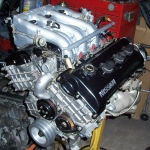

The clutch slave cylinder is on the front of the transmission on the radiator side right with the shift fork. If you're sure the master cylinder isn't leaking it must be leaking at the slave cylinder.
Either way, unless you're actually bleeding the system on refill you're going to be prone to pedal to the floor issues because there's a bunch of air trapped in the system so simply refilling it and pumping the pedal won't get all the air out
But yes you absolutely have a leak. The fluid doesn't just disappear. If it were me, I'd just go ahead and replace the master and slave cylinder at the same time. They're cheap enough these days.
Either way, unless you're actually bleeding the system on refill you're going to be prone to pedal to the floor issues because there's a bunch of air trapped in the system so simply refilling it and pumping the pedal won't get all the air out
But yes you absolutely have a leak. The fluid doesn't just disappear. If it were me, I'd just go ahead and replace the master and slave cylinder at the same time. They're cheap enough these days.
Last edited by James92SE; Oct 6, 2014 at 11:45 AM.

Thread Starter
Junior Member
Joined: Feb 2013
Posts: 59
From: Bellevue, Washington State, near Seattle
Thanks,
Where can I find information about replacing those parts, and bleeding the system, in a 3rd gen? The information I've found is about later generations.
Thanks,
Greg
Where can I find information about replacing those parts, and bleeding the system, in a 3rd gen? The information I've found is about later generations.
Thanks,
Greg

Newbie - Just Registered
Joined: Aug 2011
Posts: 1
I replaced my clutch master last month and it is a stupid easy 10 minute job. I didn't have to replace my slave cylinder this time, but it is equally as easy. I recommend replacing both. If you want to replace the rubber clutch line with a stainless braided covered line this is the time to do it. The job from start to finish is about 30-45 minutes for a first timer and costs around 50.00 for a new clutch master, new clutch slave, and a bottle of Dot3 brake fluid. Spend a few dollars on a length of tubing to bleed the clutch if you don't have one laying around.
Step 1 - Remove the plastic air intake from the intake manifold so you can get to the clutch slave cylinder located on the front of the transmission housing. The slave cylinder is the box looking piece with the bleeder valve on it.
Step 2 - Stick a piece of tubing on the bleeder valve teet and drop in under the car to a bottle or something to catch the fluid, crack the valve open and let the fluid drain out. Remove the cap from the clutch fluid reservoir and let all the fluid drain out the bleeder.
Step 3 - When all the fluid quits draining unbolt the hose on the top of the slave cylinder and then unbolt the slave cylinder from the transmission housing and pull it free. The new slave cylinder should come with a new rubber boot and pin the connects the slave cylinder to the clutch, but if not then save these 2 pieces.
Step 4 - Install new slave cylinder. Just bolt it right on in place of the old one you just removed. Make sure the little rod/pin is seated between the slave and the clutch and then bolt it back down. Reconnect the clutch fluid hose to the top of the slave cylinder.
Step 5 - From inside the car disconnect the pin holding the clutch pedal to the arm coming out of the firewall. Its just a cotter pin, pull the spring pin off the end and push the pin out. The clutch pedal is now disconnected from the clutch master. This right here is probably the hardest part of the job just because your having to work in the floorboard and up behind the pedals.
Step 6 - Disconnect the hardline from the side of the clutch master. Now remove the bolts that attach the clutch master to the firewall. Pull the Clutch master forward to remove it.
Optional - If you want to keep an oem look then remove the plastic fluid reservoir from your oem clutch master and reinstall it on the new clutch master so you can use the oem cap. Even better is if the oem cap simply fits your new clutch master reservoir. Mine didn't, so I swapped the plastic reservoirs out.
Step 7 - Install new clutch master. Installation is opposite of removal. Guide the rod hanging out the back through the hole in the fire wall, bolt it down, and then reinstall the little hardline to the side. Tighten the hardline snug, but don't over tighten it.
Step 8- Crawl back in the car and reconnect the rod coming out of the firewall to the clutch pedal. Attempt to replace the cotter pin. Drop the pin on your forehead, curse, roll around the floor looking for the pin, and then finally replace the pin the holds the rod to the clutch pedal. Secure the clip in the end of the pin.
Step 9 - Now its time to fill and bleed the fluid. Crack open the bleeder valve on the new slave cylinder and attach your tubing to it and drop it down under the car to your bottle again. We are going to fill the reservoir slowly and let the system gravity bleed. With the bleeder valve open and the tube run to a container slowly add dot3 brake fluid into the clutch fluid reservoir. The clutch fluid will start draining out the tube into your bottle. Keep adding fluid as it slowly drains out. Just let it drain through, it will push any air bubbles out as it drains. After adding about half a bottle of brake fluid go ahead and close the bleeder valve. Remove the tubing. Top off the clutch reservoir. Pump the clutch pedal a few times and it should be back to life.
Step 9 - Clean up any drips or runs, as brake fluid it very caustic, it eats paint and causes rust.
This is how I do it with no issues. Some people have trouble with bleeding the clutch and still have a mushy clutch. The solution that seems to work the best if this happens to you is to reserve bleed the clutch. To do this you need an old timey pump oil can. Drain the clutch fluid out the bleeder valve. Next fill the oil can with brake fluid. Attach a piece of pvc tubing to the end of the oil can and give it a few pump until the fluid starts coming out the end of the tube. Attach to tube onto the teet of the bleeder and with the bleeder open start pumping brake fluid into the system from the bleeder. Keep pumping until the fluid starts filling the reservoir. By pumping the fluid into the bleeder end it should push any air in the system up to the reservoir and leave no air in the line at all. When you start to get fluid in the reservoir close the bleeder valve and top off the reservoir. Gravity bleeding should do it, but if it doesn't for whatever reason, then that's how you can reverse bleed it.
Step 1 - Remove the plastic air intake from the intake manifold so you can get to the clutch slave cylinder located on the front of the transmission housing. The slave cylinder is the box looking piece with the bleeder valve on it.
Step 2 - Stick a piece of tubing on the bleeder valve teet and drop in under the car to a bottle or something to catch the fluid, crack the valve open and let the fluid drain out. Remove the cap from the clutch fluid reservoir and let all the fluid drain out the bleeder.
Step 3 - When all the fluid quits draining unbolt the hose on the top of the slave cylinder and then unbolt the slave cylinder from the transmission housing and pull it free. The new slave cylinder should come with a new rubber boot and pin the connects the slave cylinder to the clutch, but if not then save these 2 pieces.
Step 4 - Install new slave cylinder. Just bolt it right on in place of the old one you just removed. Make sure the little rod/pin is seated between the slave and the clutch and then bolt it back down. Reconnect the clutch fluid hose to the top of the slave cylinder.
Step 5 - From inside the car disconnect the pin holding the clutch pedal to the arm coming out of the firewall. Its just a cotter pin, pull the spring pin off the end and push the pin out. The clutch pedal is now disconnected from the clutch master. This right here is probably the hardest part of the job just because your having to work in the floorboard and up behind the pedals.
Step 6 - Disconnect the hardline from the side of the clutch master. Now remove the bolts that attach the clutch master to the firewall. Pull the Clutch master forward to remove it.
Optional - If you want to keep an oem look then remove the plastic fluid reservoir from your oem clutch master and reinstall it on the new clutch master so you can use the oem cap. Even better is if the oem cap simply fits your new clutch master reservoir. Mine didn't, so I swapped the plastic reservoirs out.
Step 7 - Install new clutch master. Installation is opposite of removal. Guide the rod hanging out the back through the hole in the fire wall, bolt it down, and then reinstall the little hardline to the side. Tighten the hardline snug, but don't over tighten it.
Step 8- Crawl back in the car and reconnect the rod coming out of the firewall to the clutch pedal. Attempt to replace the cotter pin. Drop the pin on your forehead, curse, roll around the floor looking for the pin, and then finally replace the pin the holds the rod to the clutch pedal. Secure the clip in the end of the pin.
Step 9 - Now its time to fill and bleed the fluid. Crack open the bleeder valve on the new slave cylinder and attach your tubing to it and drop it down under the car to your bottle again. We are going to fill the reservoir slowly and let the system gravity bleed. With the bleeder valve open and the tube run to a container slowly add dot3 brake fluid into the clutch fluid reservoir. The clutch fluid will start draining out the tube into your bottle. Keep adding fluid as it slowly drains out. Just let it drain through, it will push any air bubbles out as it drains. After adding about half a bottle of brake fluid go ahead and close the bleeder valve. Remove the tubing. Top off the clutch reservoir. Pump the clutch pedal a few times and it should be back to life.
Step 9 - Clean up any drips or runs, as brake fluid it very caustic, it eats paint and causes rust.
This is how I do it with no issues. Some people have trouble with bleeding the clutch and still have a mushy clutch. The solution that seems to work the best if this happens to you is to reserve bleed the clutch. To do this you need an old timey pump oil can. Drain the clutch fluid out the bleeder valve. Next fill the oil can with brake fluid. Attach a piece of pvc tubing to the end of the oil can and give it a few pump until the fluid starts coming out the end of the tube. Attach to tube onto the teet of the bleeder and with the bleeder open start pumping brake fluid into the system from the bleeder. Keep pumping until the fluid starts filling the reservoir. By pumping the fluid into the bleeder end it should push any air in the system up to the reservoir and leave no air in the line at all. When you start to get fluid in the reservoir close the bleeder valve and top off the reservoir. Gravity bleeding should do it, but if it doesn't for whatever reason, then that's how you can reverse bleed it.
Thread Starter
Junior Member
Joined: Feb 2013
Posts: 59
From: Bellevue, Washington State, near Seattle
Thanks, I'll use those steps when the time comes.
For now, strangely it seems to have bled itself or something, because it's acting as good as new; no softness even on first press after sitting for days.
However, I do see that the fluid level has gone down a bit since adding the fluid, so it does seem to be leaking, assuming the lower level can't be explained by air leaving the system. At this slow rate of leak though I think I can at least let it go until summer weather makes for more comfortable repair work.
For now, strangely it seems to have bled itself or something, because it's acting as good as new; no softness even on first press after sitting for days.
However, I do see that the fluid level has gone down a bit since adding the fluid, so it does seem to be leaking, assuming the lower level can't be explained by air leaving the system. At this slow rate of leak though I think I can at least let it go until summer weather makes for more comfortable repair work.


Thread Starter
Junior Member
Joined: Feb 2013
Posts: 59
From: Bellevue, Washington State, near Seattle
I suppose an update might be of interest after these 5 years.
I've had no more problem with the clutch, in fact I've forgotten to check the clutch fluid reservoir level for the last few years. The clutch has been working perfectly. Need to check that level though.
I've had no more problem with the clutch, in fact I've forgotten to check the clutch fluid reservoir level for the last few years. The clutch has been working perfectly. Need to check that level though.

Newbie - Just Registered
Joined: Jan 2013
Posts: 2
From: Lexington, Ky
GregL65, I'm curious if you still have the original clutch in your Maxima? My 90 Maxima has 178,000 miles and the original clutch in it. I'm gonna be replacing my master cylinder this spring. Its my second one and showing signs of leakage, replaced at 102,000
Thread Starter
Junior Member
Joined: Feb 2013
Posts: 59
From: Bellevue, Washington State, near Seattle

Thread
Thread Starter
Forum
Replies
Last Post
HerpDerp1919
3rd Generation Maxima (1989-1994)
2
Sep 29, 2015 02:02 PM