


Alternator question


Thread Starter
Newbie - Just Registered
Joined: Mar 2016
Posts: 15
Alternator question
Hi, after my friend got ripped off by mechanics who didn't even fix the problem, I decided to replace the alternator by myself.
The problem was that the alternator was starting to charge after driving for a while and not all the times. So occasionally, the battery got emptied.
The mechanic for some reason said that someone switched between the 2 wires that goes to the regulator in the alternator so he switched them back. It doesn't seem to solve anything.
So my question is what is the meaning of each wire connected to the regulator. And what can cause this problem.
Measuring the voltage between the 2 wires gave me only 80 millivolt.
The problem was that the alternator was starting to charge after driving for a while and not all the times. So occasionally, the battery got emptied.
The mechanic for some reason said that someone switched between the 2 wires that goes to the regulator in the alternator so he switched them back. It doesn't seem to solve anything.
So my question is what is the meaning of each wire connected to the regulator. And what can cause this problem.
Measuring the voltage between the 2 wires gave me only 80 millivolt.

There are 3 wires on the alternator. The thick black/red stripe wire is the output of the alternator, is connects to the battery via the 120 or 140 amp fusible link.
The other 2 wires are in a plastic connector that plugs into the rear of the alternator.
The yellow/black stripe wire has 12 volts via fuse # 60 from the battery. This is to supply power to the field windings to create the electromagnetic field. It probably also powers the voltage regulator printed circuit board inside the alternator.
The white/red stripe wire is for the idiot light in the speedo cluster. Power from the battery via fuse # 13 goes to the light bulb and then to the alternator. If the alternator is working, 12 volts come from the alternator to the other side of the light bulb. With 12 volts on both sides of the light bulb, the light bulb does not light up. If the alternator is not working (i.e., not producing voltage) the 12 volts from fuse 13 travels through the light bulb, to the alternator and then to ground. The light bulb will light.
Measuring voltage between the 2 thin wires (yellow/black stripe and the white/red stripe) is not a valid thing to do. Swapping these 2 wires around on a working alternator won't cause any damage other than maybe reduced amperage output, but if the alternator was bad, you would probably blow fuse # 60.
But these 2 wires are in a plastic wire harness connector. How the heck is he swapping them? And how did he determine the wires were swapped in the first place? Or was he the bozo that swapped them via brute strength and ignorance?
What you need to do is take your voltmeter and measure the voltages:
1 - battery voltage when the engine is not running. Should be between 12.3 and 12.5 volts.
2 - voltage when the engine is running at idle. Should be between 13.8 and 14.5. Anything else equals bad alternator.
3 - voltage with engine running at idle, turn on every electrical device - headlights, bright lights, hazard flasher, air conditioner with fan on high speed, rear window defroster, radio, run the windows up and down, move the seat back and forth - all at the same time. Voltage reading should be between 13.8 and 14.5 volts. Anything else equals bad alternator.
The other 2 wires are in a plastic connector that plugs into the rear of the alternator.
The yellow/black stripe wire has 12 volts via fuse # 60 from the battery. This is to supply power to the field windings to create the electromagnetic field. It probably also powers the voltage regulator printed circuit board inside the alternator.
The white/red stripe wire is for the idiot light in the speedo cluster. Power from the battery via fuse # 13 goes to the light bulb and then to the alternator. If the alternator is working, 12 volts come from the alternator to the other side of the light bulb. With 12 volts on both sides of the light bulb, the light bulb does not light up. If the alternator is not working (i.e., not producing voltage) the 12 volts from fuse 13 travels through the light bulb, to the alternator and then to ground. The light bulb will light.
Measuring voltage between the 2 thin wires (yellow/black stripe and the white/red stripe) is not a valid thing to do. Swapping these 2 wires around on a working alternator won't cause any damage other than maybe reduced amperage output, but if the alternator was bad, you would probably blow fuse # 60.
But these 2 wires are in a plastic wire harness connector. How the heck is he swapping them? And how did he determine the wires were swapped in the first place? Or was he the bozo that swapped them via brute strength and ignorance?
What you need to do is take your voltmeter and measure the voltages:
1 - battery voltage when the engine is not running. Should be between 12.3 and 12.5 volts.
2 - voltage when the engine is running at idle. Should be between 13.8 and 14.5. Anything else equals bad alternator.
3 - voltage with engine running at idle, turn on every electrical device - headlights, bright lights, hazard flasher, air conditioner with fan on high speed, rear window defroster, radio, run the windows up and down, move the seat back and forth - all at the same time. Voltage reading should be between 13.8 and 14.5 volts. Anything else equals bad alternator.
Thread Starter
Newbie - Just Registered
Joined: Mar 2016
Posts: 15
Yes, he is ignorant and rude, he cut the wires and switched them. Maybe he traced them back ans saw they are switched? Thanks for your good explanations. So one or both of the 2 wires don't produce 12 volts needed to create the magnetic field inside the alternator? that's why it gives no output? Fuse 60 is the 7.5 amp that says alt? and where is fuse 13?
You are correct about fuse 60. Fuse 13 is in the dashboard fuse panel, lower left corner. When you are looking at the fuses, #13 is in the center column, 2nd one up. If you have the label on the inside of the cover, it is called "METER".
Only the yellow/black stripe wire is used for the magnet field. The other wire, white/red stripe, is only for the ALT light in the speedo cluster. You could leave it off and it will not affect the alternator's operation.
How or why the mechanic made the determination that the wires were switched is beyond me. Those 2 wires are in a plastic connector and require a special tool that very few people have in order to switch them. Unless you cut the wires.
If you want, those 2 wires plus the one that plugs onto the a/c compressor is a short, 12 inch wire harness (part # 24076-40U00) that costs about $40 at the dealer, a lot less at the junk yard. 1995 - 2000 Maximas and Infinities use this same harness.
If you would like a wiring diagram, here is a link to the one for the 1998 Maxima. Same diagram for all the years. See pages 29 & 30 in section EL (electrical) - http://boredmder.com/FSMs/Nissan/Maxima/1998/EL.pdf
Here is the link to the index for all the year models.
http://boredmder.com/FSMs/Nissan/Maxima/
Only the yellow/black stripe wire is used for the magnet field. The other wire, white/red stripe, is only for the ALT light in the speedo cluster. You could leave it off and it will not affect the alternator's operation.
How or why the mechanic made the determination that the wires were switched is beyond me. Those 2 wires are in a plastic connector and require a special tool that very few people have in order to switch them. Unless you cut the wires.
If you want, those 2 wires plus the one that plugs onto the a/c compressor is a short, 12 inch wire harness (part # 24076-40U00) that costs about $40 at the dealer, a lot less at the junk yard. 1995 - 2000 Maximas and Infinities use this same harness.
If you would like a wiring diagram, here is a link to the one for the 1998 Maxima. Same diagram for all the years. See pages 29 & 30 in section EL (electrical) - http://boredmder.com/FSMs/Nissan/Maxima/1998/EL.pdf
Here is the link to the index for all the year models.
http://boredmder.com/FSMs/Nissan/Maxima/
Thread Starter
Newbie - Just Registered
Joined: Mar 2016
Posts: 15
Yes. He cut the wires themselves. Mine are white/black and white/red. I Will just make sure I get 12 volts through them to the alternator. And measure voltage of ita output.
Last edited by Ronen Festinger; Apr 2, 2016 at 03:53 PM.

Thread Starter
Newbie - Just Registered
Joined: Mar 2016
Posts: 15
When I put quarter of gallon it didn't start. When I put 2 gallons it starts but still turns off ocasionally. I don't know how much was there before but the meter was on empty. I don't know if the fuel low level light works. The wiring of the alternator should be fine because I measured 12 volts in both connectors but alternator doesnt produce output. I'll try disconnect its output from the battery and check again. For now, I don't know what else to check.

Thread Starter
Newbie - Just Registered
Joined: Mar 2016
Posts: 15
I disconnected the alternator from the battery. Started the engine. Put twelve volts into one of the ports, i get 0.2V in the output of the alternator. I guess this new alternator is bad too. I see no other choice but doing the hard job again replacing the alternator.
Last edited by Ronen Festinger; Apr 3, 2016 at 01:13 PM.
Thread Starter
Newbie - Just Registered
Joined: Mar 2016
Posts: 15
Ok. I fixed it, and learned many New things.
. always ask the store to test the alternator before you buy it. Only the third was good.
. the alternator won't produce high voltage of its output is disconnected from the battery.
. make sure you got 12v to the lower pin in the connector.
. the main fusible link is screwed in with 2 volts. Don't try to pull it out.
.to reach this bolts you have to pry all the tabs of the bottom part of the box.
. a standard hydraulic jack can't lift the car high enough, so you can take out the wheel. And the bottom of the car made with a cheap metal that gets bent when you lift the car.
.use alegator clips to give 12 volts to the connector from the battery to make sure the problem is not the connector. Make sure you don't short circuit or the insulation of the wire will catch fire.
. make sure you tense the belt enough or it will squeak.
. when installing the alternator. First screw the upper bolt and then the bottom. And do it from the top at the beginning.
. Never buy a nissan!
. always ask the store to test the alternator before you buy it. Only the third was good.
. the alternator won't produce high voltage of its output is disconnected from the battery.
. make sure you got 12v to the lower pin in the connector.
. the main fusible link is screwed in with 2 volts. Don't try to pull it out.
.to reach this bolts you have to pry all the tabs of the bottom part of the box.
. a standard hydraulic jack can't lift the car high enough, so you can take out the wheel. And the bottom of the car made with a cheap metal that gets bent when you lift the car.
.use alegator clips to give 12 volts to the connector from the battery to make sure the problem is not the connector. Make sure you don't short circuit or the insulation of the wire will catch fire.
. make sure you tense the belt enough or it will squeak.
. when installing the alternator. First screw the upper bolt and then the bottom. And do it from the top at the beginning.
. Never buy a nissan!

Senior Member
Joined: Sep 2012
Posts: 451
Dont buy aftermarket alternators
Dont buy any alternators from autozone, napa, oreilly, or car quest as they are not good and cheaply built and mainly because they dont put out the right voltage. What i did was go to pick n pull and pull out a original oem nissan alternator that was in like new condition and it looked like somebody had recently changed it with a new oem nissan alternator. Only buy original alternators as they last very long as my original one lasted until 250,000 miles. If you go original you save yourself time and the hassle of whats wrong now?

Ok. I fixed it, and learned many New things.
. always ask the store to test the alternator before you buy it. Only the third was good.
. the alternator won't produce high voltage of its output is disconnected from the battery.
. make sure you got 12v to the lower pin in the connector.
. the main fusible link is screwed in with 2 volts. Don't try to pull it out.
.to reach this bolts you have to pry all the tabs of the bottom part of the box.
. a standard hydraulic jack can't lift the car high enough, so you can take out the wheel. And the bottom of the car made with a cheap metal that gets bent when you lift the car.
.use alegator clips to give 12 volts to the connector from the battery to make sure the problem is not the connector. Make sure you don't short circuit or the insulation of the wire will catch fire.
. make sure you tense the belt enough or it will squeak.
. when installing the alternator. First screw the upper bolt and then the bottom. And do it from the top at the beginning.
. Never buy a nissan!
. always ask the store to test the alternator before you buy it. Only the third was good.
. the alternator won't produce high voltage of its output is disconnected from the battery.
. make sure you got 12v to the lower pin in the connector.
. the main fusible link is screwed in with 2 volts. Don't try to pull it out.
.to reach this bolts you have to pry all the tabs of the bottom part of the box.
. a standard hydraulic jack can't lift the car high enough, so you can take out the wheel. And the bottom of the car made with a cheap metal that gets bent when you lift the car.
.use alegator clips to give 12 volts to the connector from the battery to make sure the problem is not the connector. Make sure you don't short circuit or the insulation of the wire will catch fire.
. make sure you tense the belt enough or it will squeak.
. when installing the alternator. First screw the upper bolt and then the bottom. And do it from the top at the beginning.
. Never buy a nissan!
As you said, you learned many things from this. And this is good. However, and I do not mean to disrespect you, but you still have a lot to learn. It takes time and experience.
You are incorrect, the standard hydraulic jack can most definitely lift the car high enough so that you can remove the wheel. The secret is to consult the owners manual or the service manual for the proper spots to place the jack.
If you do not place the jack in the proper spot, you will bend the body of the car. And do not blame Nissan. EVERY car is like this. There are specific spots that have been reinforced so the car may be jacked up. In fact, the majority of automobile manufacturers use the same spots. So when you learn to identify the jacking points as they are called, you can safely jack up any car.
As you continue to learn more about working on cars, you will discover that this statement was made in error.
If you do not place the jack in the proper spot, you will bend the body of the car. And do not blame Nissan. EVERY car is like this. There are specific spots that have been reinforced so the car may be jacked up. In fact, the majority of automobile manufacturers use the same spots. So when you learn to identify the jacking points as they are called, you can safely jack up any car.
As you continue to learn more about working on cars, you will discover that this statement was made in error.

Junior Member
Joined: Oct 2014
Posts: 93
From: Spartanburg S.C
As you said, you learned many things from this. And this is good. However, and I do not mean to disrespect you, but you still have a lot to learn. It takes time and experience.
You are incorrect, the standard hydraulic jack can most definitely lift the car high enough so that you can remove the wheel. The secret is to consult the owners manual or the service manual for the proper spots to place the jack.
If you do not place the jack in the proper spot, you will bend the body of the car. And do not blame Nissan. EVERY car is like this. There are specific spots that have been reinforced so the car may be jacked up. In fact, the majority of automobile manufacturers use the same spots. So when you learn to identify the jacking points as they are called, you can safely jack up any car.
As you continue to learn more about working on cars, you will discover that this statement was made in error.
You are incorrect, the standard hydraulic jack can most definitely lift the car high enough so that you can remove the wheel. The secret is to consult the owners manual or the service manual for the proper spots to place the jack.
If you do not place the jack in the proper spot, you will bend the body of the car. And do not blame Nissan. EVERY car is like this. There are specific spots that have been reinforced so the car may be jacked up. In fact, the majority of automobile manufacturers use the same spots. So when you learn to identify the jacking points as they are called, you can safely jack up any car.
As you continue to learn more about working on cars, you will discover that this statement was made in error.
http://www.autobodytoolmart.com/pinc...GD_hoCCljw_wcB

Thread Starter
Newbie - Just Registered
Joined: Mar 2016
Posts: 15
I've jacked many cars before, and never had this issue.
If a fuse doesn't blow when there is a short circuit that cause a fire then it's a bad electric design of the car.
I have a Renault twingo 95 for 8 years and a VW beetle 01 for about a year. Both with over 170K miles.
This one is 130K miles and with much more problems.
But I will never buy VW again too.
I cannot accept any manufacturer with so many years of experience of car production making so stupid mistakes purposely or not.
The Renault is definitely the best out of the 3 i worked on. But I'll continue to change manufacturers until I found the one that is perfect.
I also had motorcycles: suzuki gn250, honda transalp 650 , and now kawaskai klr650. All of them too had quality and design flaws.
Anyway, back to the alternator. I guess I will have to change it for the third time, now it produces too high voltage, that can reach 18 volts.
If a fuse doesn't blow when there is a short circuit that cause a fire then it's a bad electric design of the car.
I have a Renault twingo 95 for 8 years and a VW beetle 01 for about a year. Both with over 170K miles.
This one is 130K miles and with much more problems.
But I will never buy VW again too.
I cannot accept any manufacturer with so many years of experience of car production making so stupid mistakes purposely or not.
The Renault is definitely the best out of the 3 i worked on. But I'll continue to change manufacturers until I found the one that is perfect.
I also had motorcycles: suzuki gn250, honda transalp 650 , and now kawaskai klr650. All of them too had quality and design flaws.
Anyway, back to the alternator. I guess I will have to change it for the third time, now it produces too high voltage, that can reach 18 volts.
A sad fact is that rebuilt alternators have a poor reliability record. And the ones autozone sells are even worse. A word of warning, don't buy a brand new alternator that is made in China.
The short circuit stuff you never explained, but when people are connecting jumper wires directly to the battery, you by-passed any fuses in the circuit. DO NOT blame the design.
I admit that the quality of Nissan has gone downhill. The sad fact is that it started after Renault bought Nissan, so blame Carlos Goshen.
The short circuit stuff you never explained, but when people are connecting jumper wires directly to the battery, you by-passed any fuses in the circuit. DO NOT blame the design.
I admit that the quality of Nissan has gone downhill. The sad fact is that it started after Renault bought Nissan, so blame Carlos Goshen.
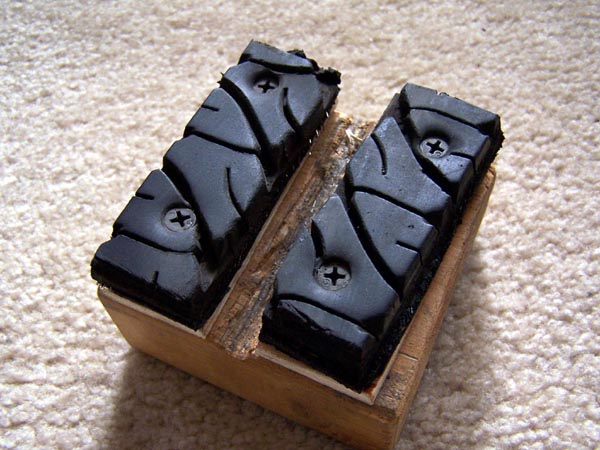
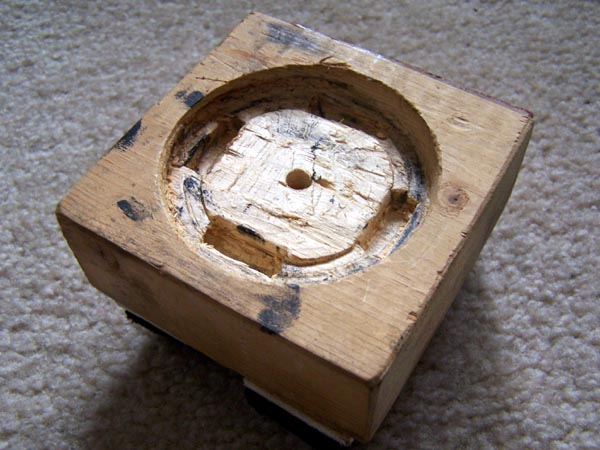
On the one in the photo, I had to shim up the tire strips. The tire strips by themselves were not thick enough. The tire strips also compress under the load and you can see the marks in the wood from the pinchweld contacting the wood.
Junior Member
Joined: Oct 2014
Posts: 93
From: Spartanburg S.C
That 18 volts you got, is that from YOUR multimeter or from a auto parts store device? I ask because when my multi meter's battery gets low, it will show 18 volts at the battery.

Thread
Thread Starter
Forum
Replies
Last Post
James92SE
3rd Generation Maxima (1989-1994)
5
Mar 17, 2016 04:23 PM
Andy29
5th Generation Maxima (2000-2003)
2
Mar 7, 2016 12:57 PM