

A good question came up from somebody at V6Performance.net where I cross posted.
 It does take a significant amount of hydrualic pressure from the oil to flip cams and VTEC locking pins around all the way up in the heads believe it or not. I don't think the current systems use oil pressure anymore. I'll have to look through the design documents I have to see if they talk about it, or do some more digging at the ORG to find out.
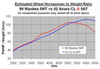
For the cams, it seems they sorta just left them in the "NVCS ON" position from the charts above (original VQ), but perhaps a bit more mild to maintain a good idle and emissions and then said "don't care" about any top-end loss. They used more aerodynamic intake ports to compensate, and the big bore design gives a lot of valve area which helps as well. The VE engine still has slightly better top-end though. The dynos speak for themselves. The cams on the VQ30DE-K are different. I believe they're more towards the "NVCS OFF" orientation and then they use the variable intake manifold to help out with the low-end. I don't think anybody has full specs for both the VQ and the VQ-K cams but I'd love to see them to compare.
Quote:
Originally posted by TH23 on November 11th, 2003 at 12:59 PM
I agree, very good info
I wanna know why Nissan didn't use their CVTCS system on the VQ30DE and VQ30DE-K? They used VTC on the VE30DE in the 1992-1994 Maximas but didn't use it again until the VQ35DE The VQ30DE-K would've owned everything had it been equipped with CVTCS.
[From the design documentation,] Nissan's goal on the VQ line was reduction of friction, mass, reciprocating mass, and size wherever possible. The actuators for the NVCS system required a good amount of oil pressure and volume, so getting rid of it altogether meant they could use a lower capacity oil pump with lower frictional losses. Take it from the pump and put it at the wheels instead. Originally posted by TH23 on November 11th, 2003 at 12:59 PM
I agree, very good info
I wanna know why Nissan didn't use their CVTCS system on the VQ30DE and VQ30DE-K? They used VTC on the VE30DE in the 1992-1994 Maximas but didn't use it again until the VQ35DE
The VQ30DE-K would've owned everything had it been equipped with CVTCS.
It does take a significant amount of hydrualic pressure from the oil to flip cams and VTEC locking pins around all the way up in the heads believe it or not. I don't think the current systems use oil pressure anymore. I'll have to look through the design documents I have to see if they talk about it, or do some more digging at the ORG to find out. For the cams, it seems they sorta just left them in the "NVCS ON" position from the charts above (original VQ), but perhaps a bit more mild to maintain a good idle and emissions and then said "don't care" about any top-end loss. They used more aerodynamic intake ports to compensate, and the big bore design gives a lot of valve area which helps as well. The VE engine still has slightly better top-end though. The dynos speak for themselves. The cams on the VQ30DE-K are different. I believe they're more towards the "NVCS OFF" orientation and then they use the variable intake manifold to help out with the low-end. I don't think anybody has full specs for both the VQ and the VQ-K cams but I'd love to see them to compare.
Quote:
Very nice and informative read as usual, SteVTEC. How ironic that the guy who posts this goes by the name of SteVTEC
DW
Thanks. Originally Posted by dwapenyi
FAQ material? more like Thesis material Very nice and informative read as usual, SteVTEC. How ironic that the guy who posts this goes by the name of SteVTECDW
And yes, isn't that a bit odd.

