When you click on links to various merchants on this site and make a purchase, this can result in this site earning a commission. Affiliate programs and affiliations include, but are not limited to, the eBay Partner Network.
Can you explain the playdough trick? Maybe you did and I missed it?
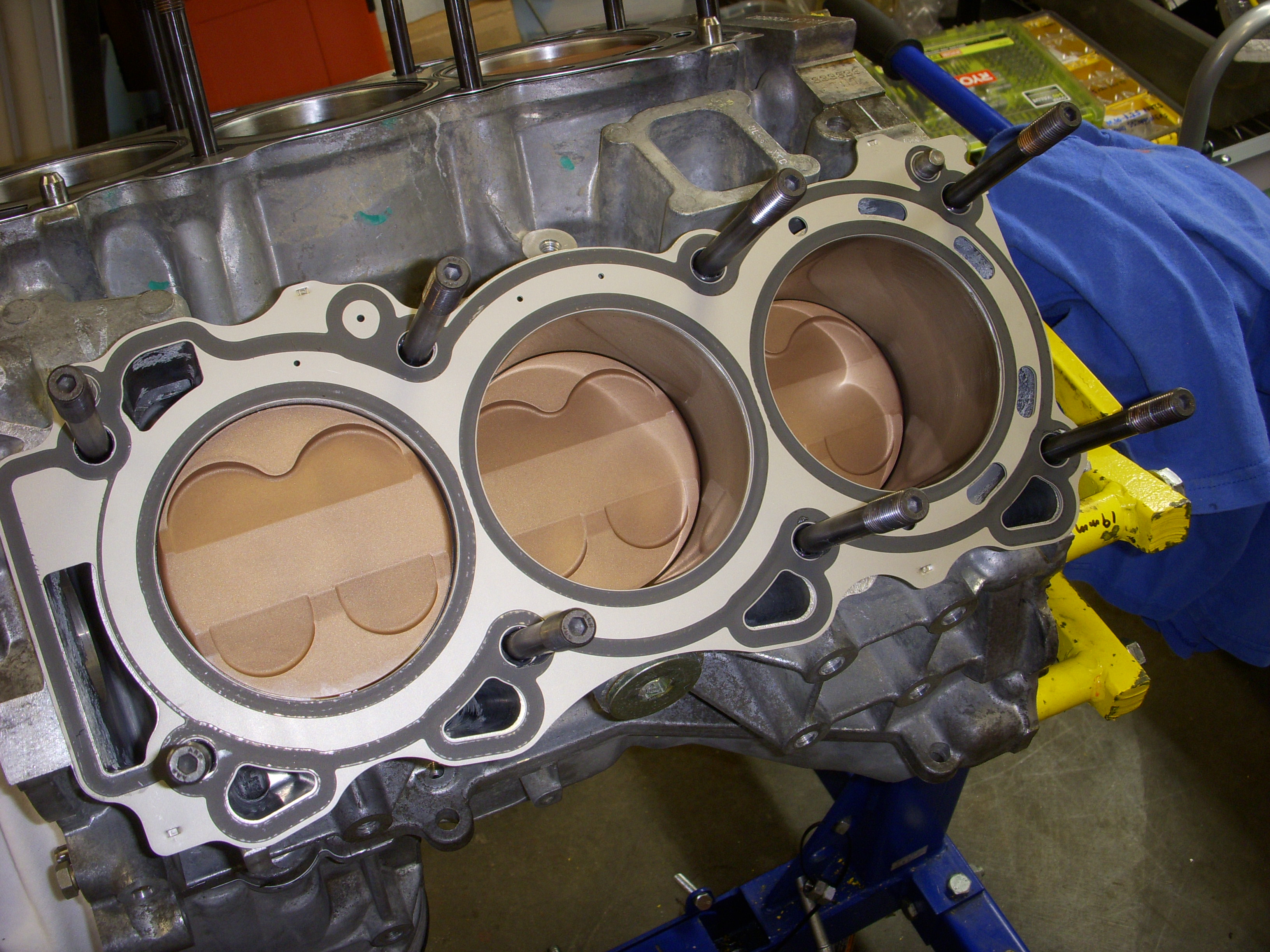
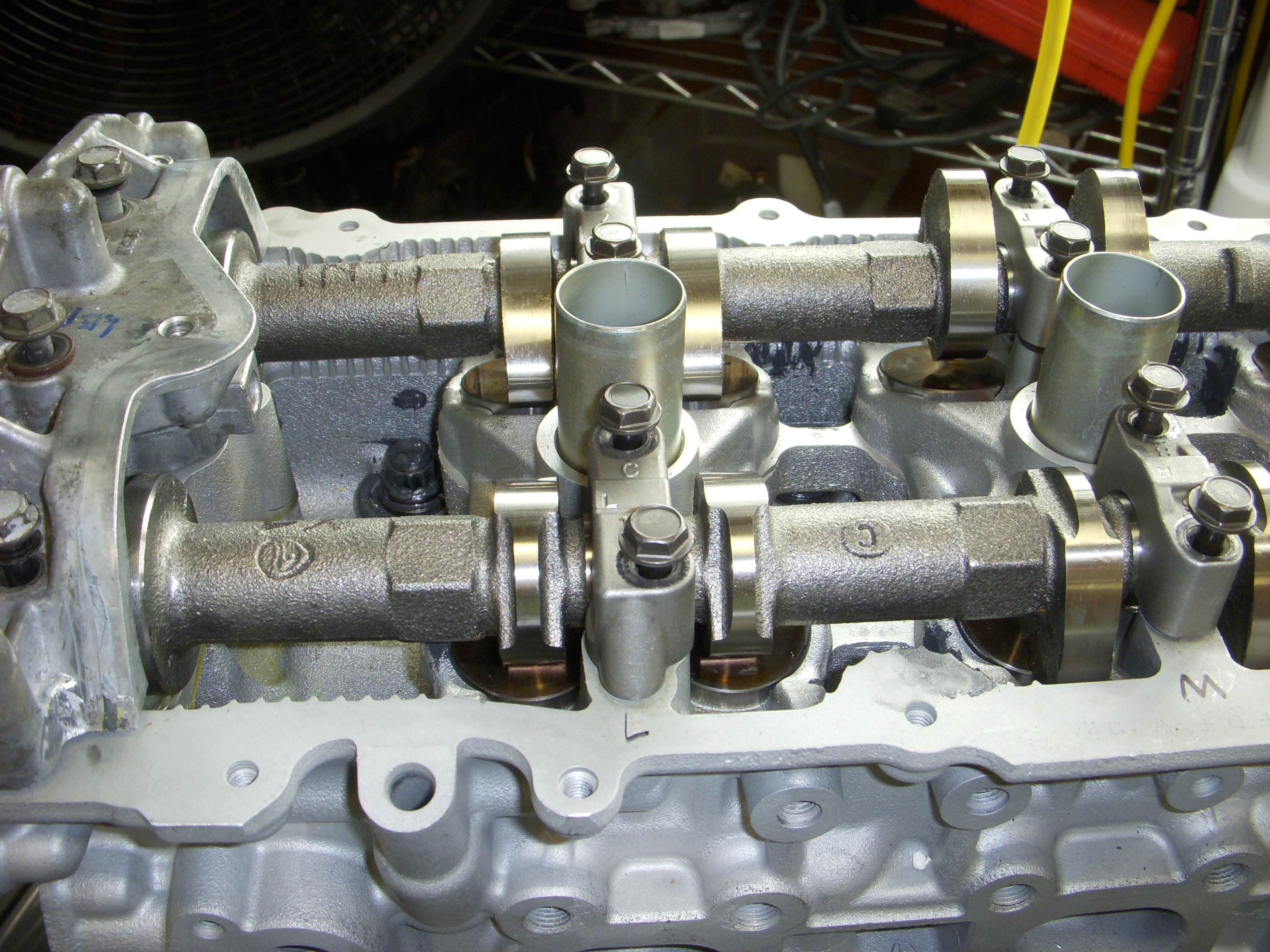
Because PRETTY COLORS !! I started off with a clearance problem between the rear of the new CNC mains girdle and the OEM oil pan. Rear four bolts and that part of the girdle was too tall. Put PLAY-DOH here and there to see what was actually touching and where. I had a local machine shop cut down the last 3" of the girdle and got pan clearance. Next I rotated the crank with the pan on and , well, couldn't rotate it. More PLAY-DOH in pretty colors and with the help of my Dremel 7000 and a cutting wheel or two, and several tries, I tracked down and cleared everything that stopped a clear crank rotation - even the oil drainback thingie at the back of the pan. Now it goes 'round and 'round with no problems. 10 LB of potatoes in a 5 LB bag...... or a stroker crank and fat H-beam BC rods in a 3.5 block wrapped in a 3.0 shell...
Better ??
Last edited by grey99max; Jul 5, 2016 at 05:23 PM.
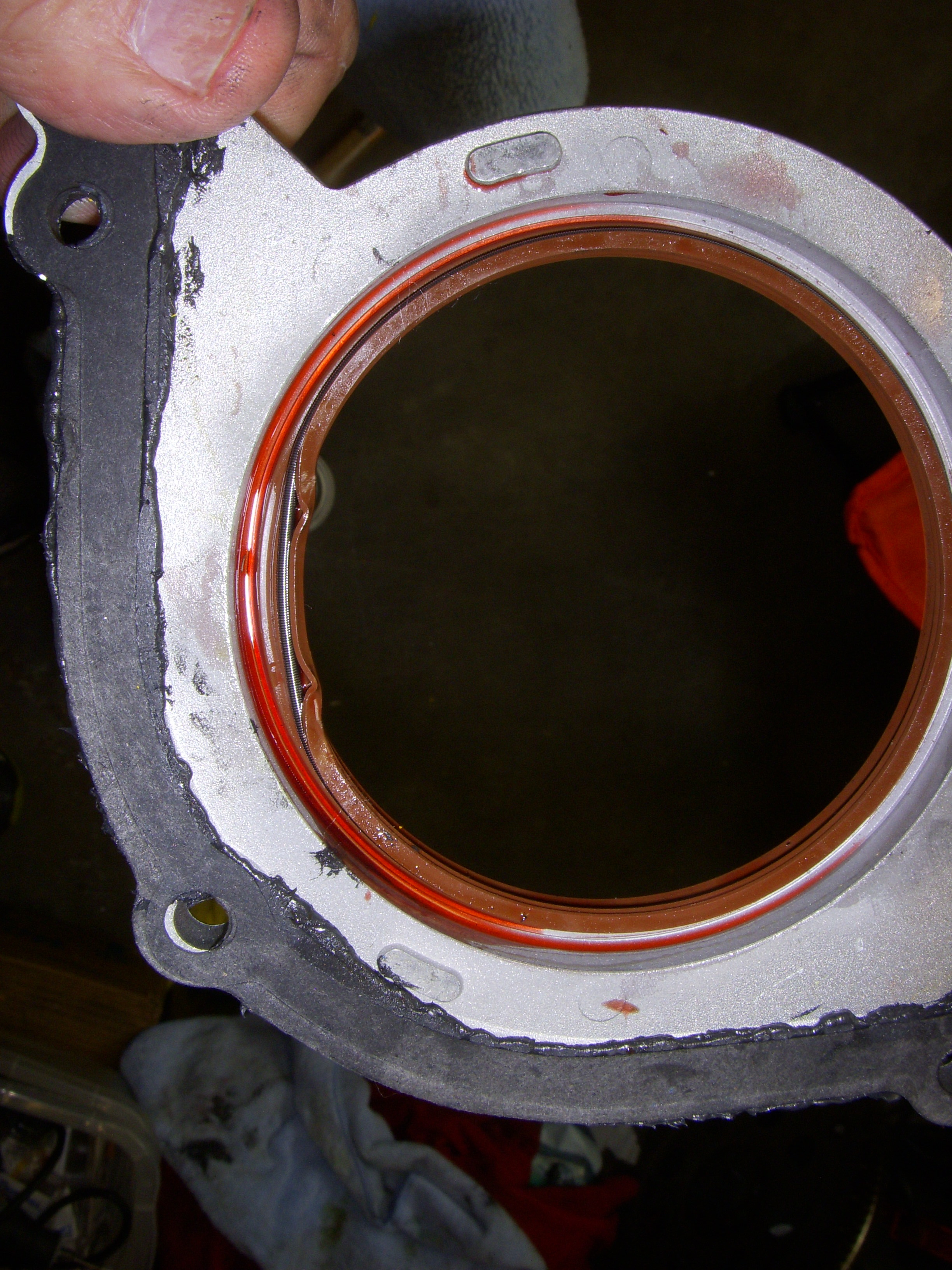
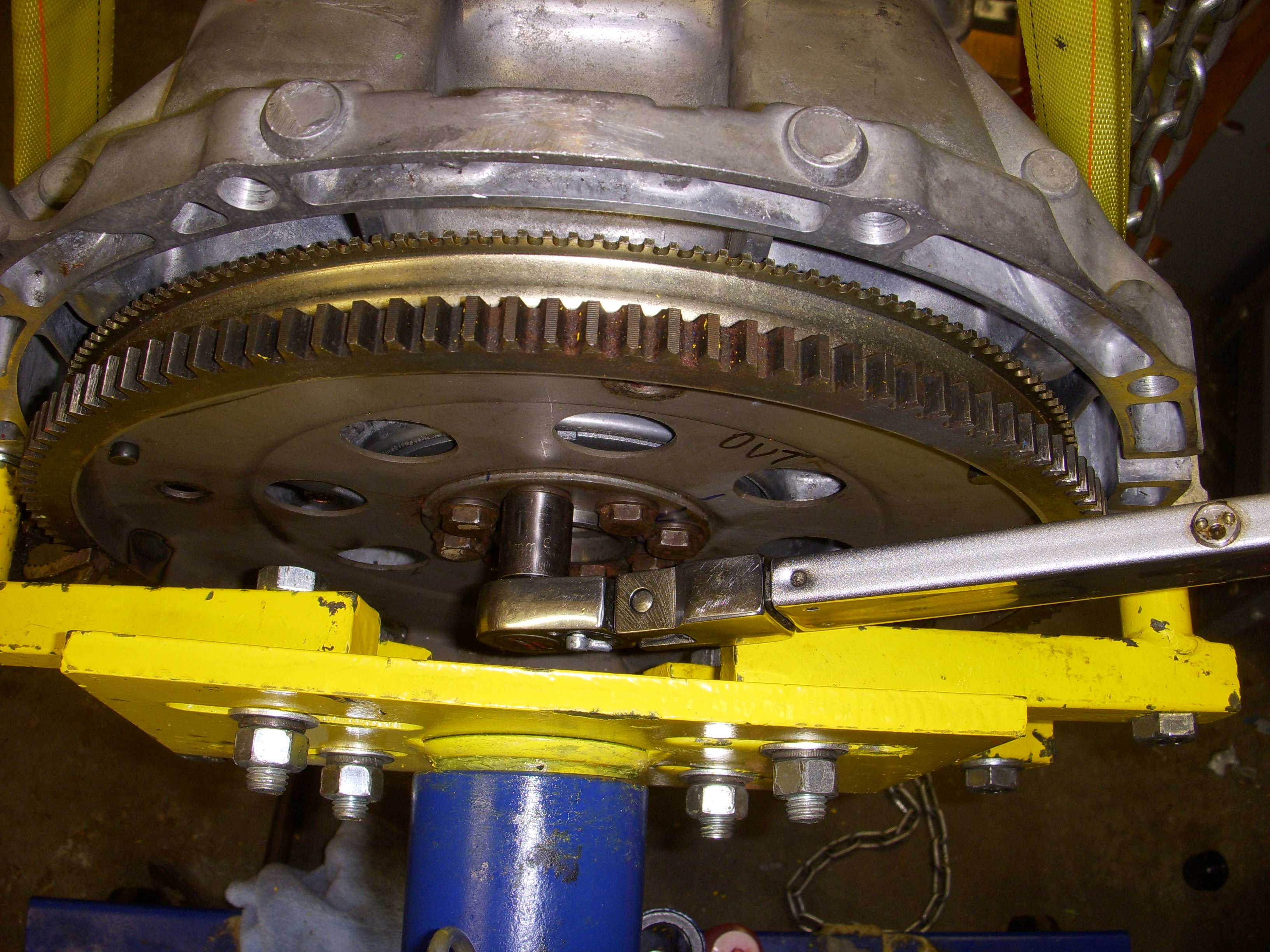
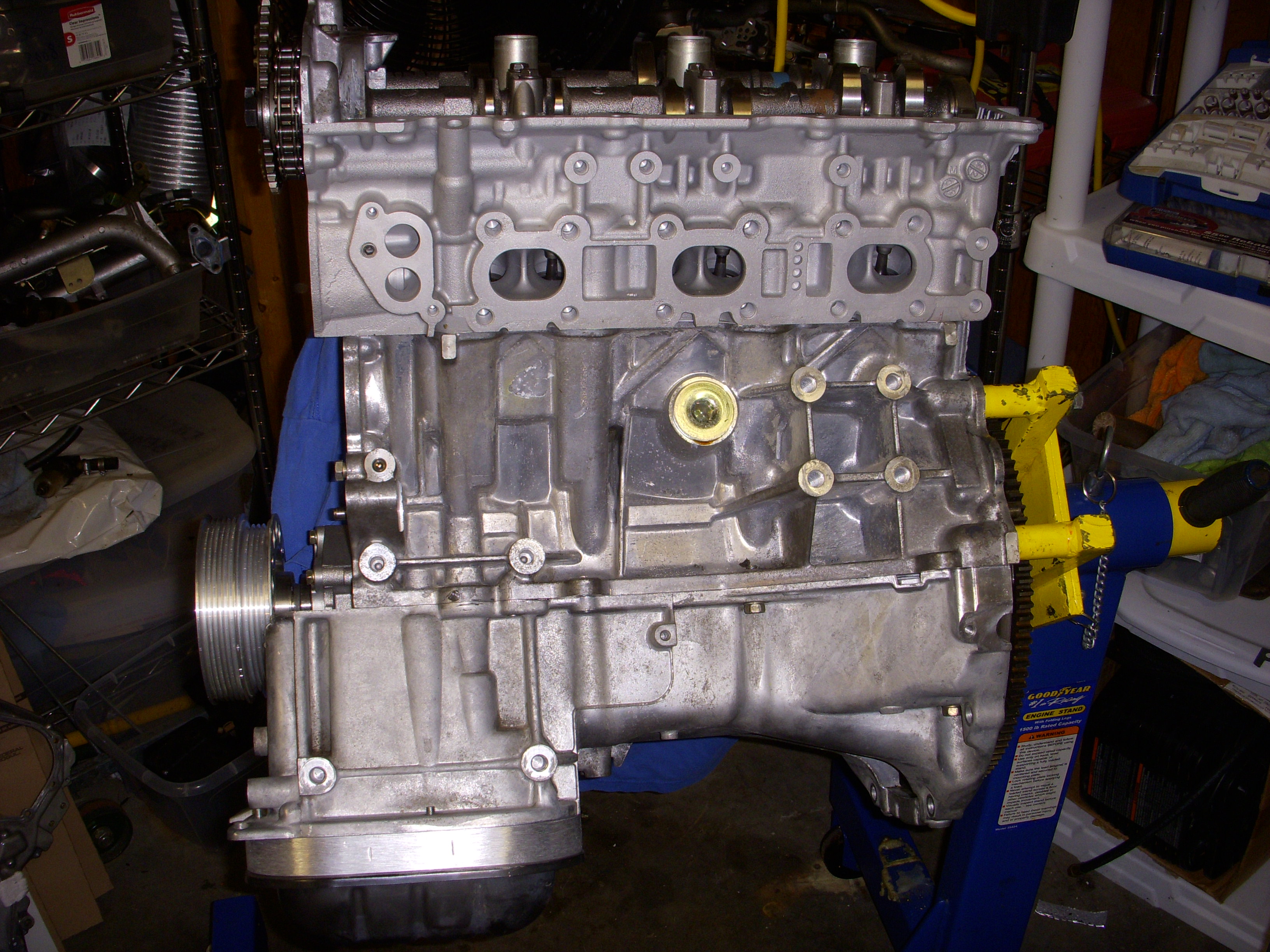
I decided to pull the flex plate and eyeball the new rear main that the machinist put on last November, then anything else before digging into the rest of it. Good thing - the new gasket had a cut in one place, so I hit the local parts store until I found a Fel-Pro set.
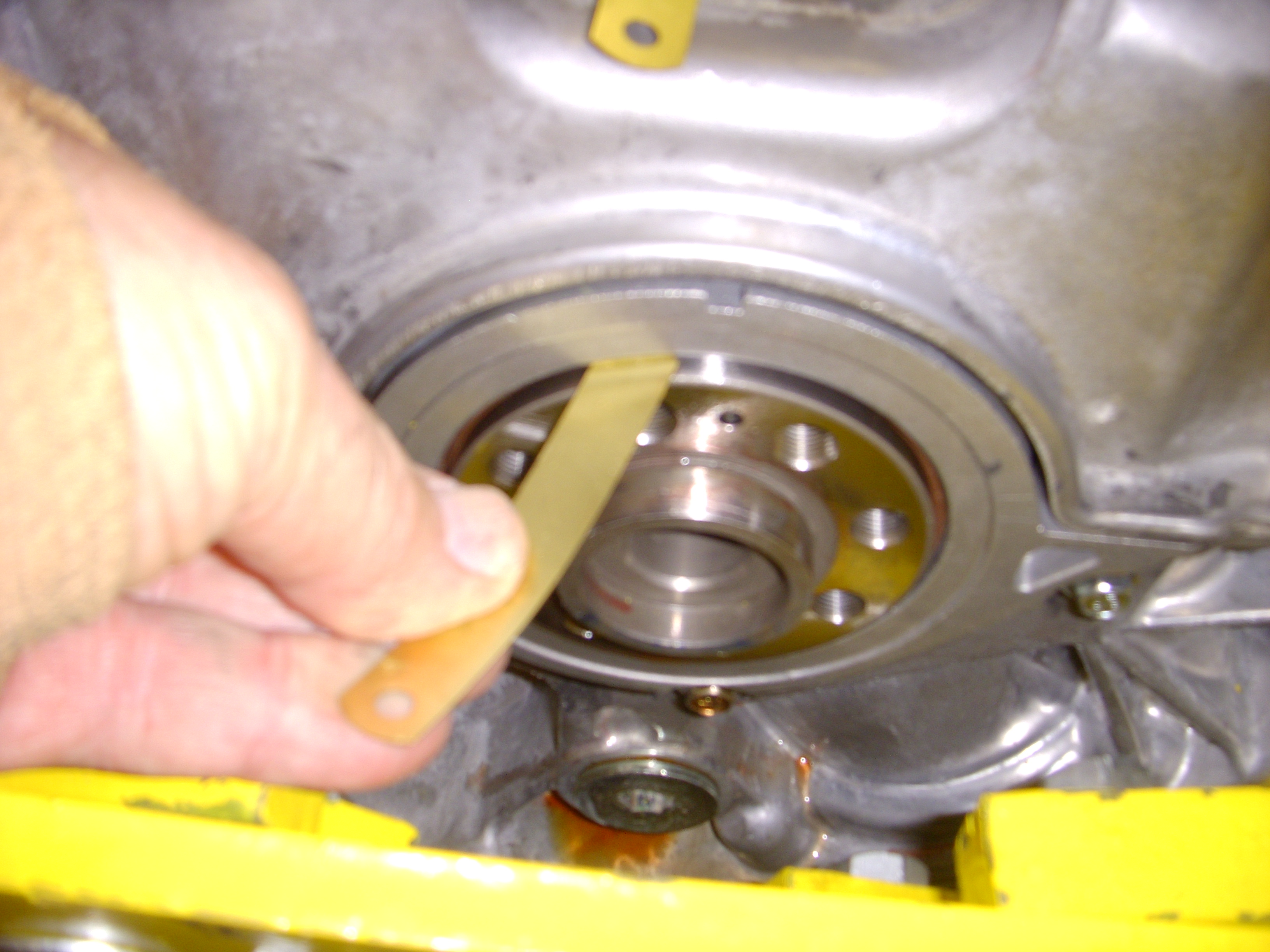
Putting the new seal on was harder than it should have been, so I used four brass feeler gauges to guide the seal on the new crank - and it slipped right on. Whew.
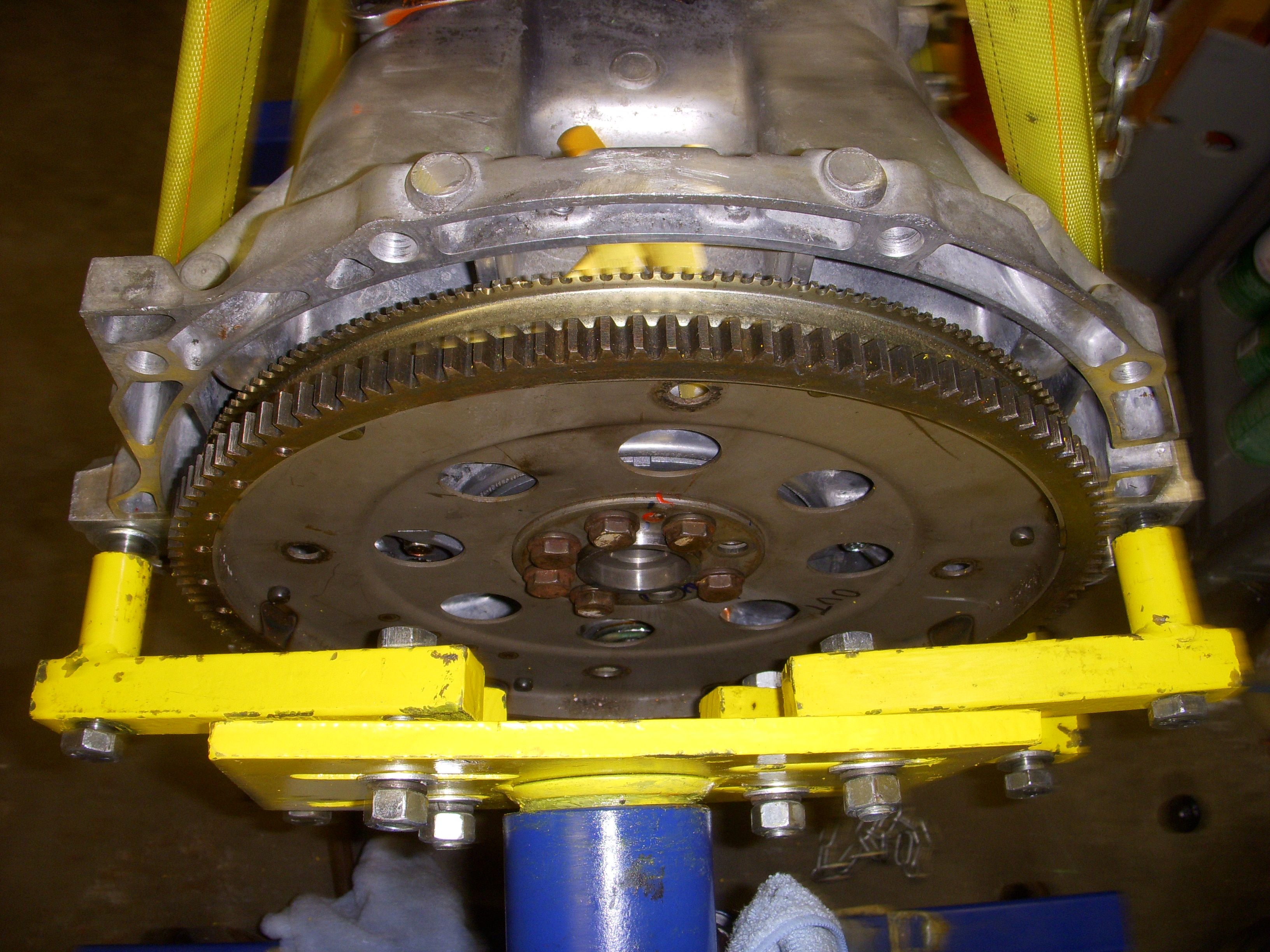
Re-installed the flex plate and torqued down bolts, re-tighted the four bolts holding the engine on the Goodyear stand, and that part's done.
Last edited by grey99max; Jan 16, 2017 at 02:18 PM.
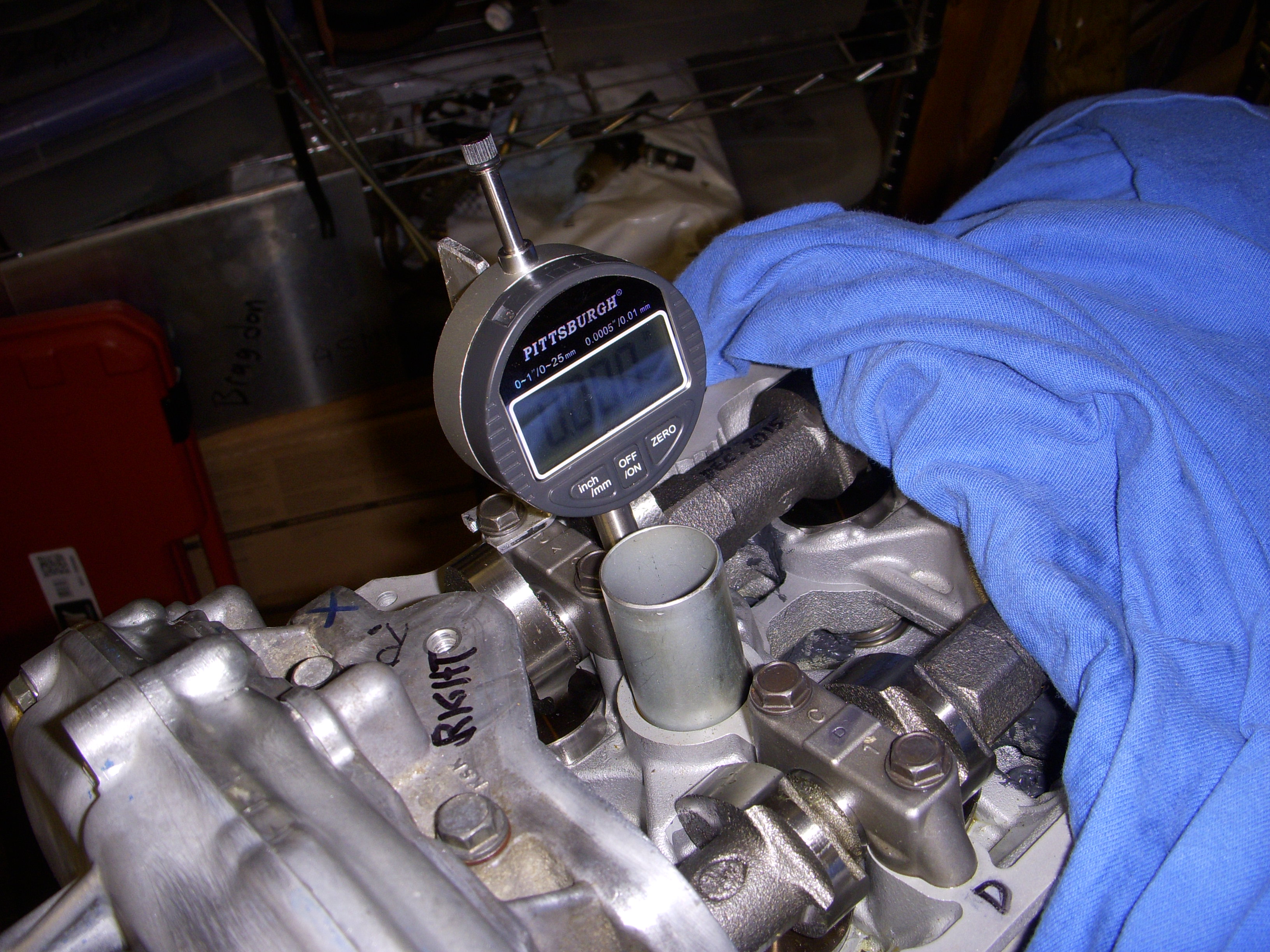
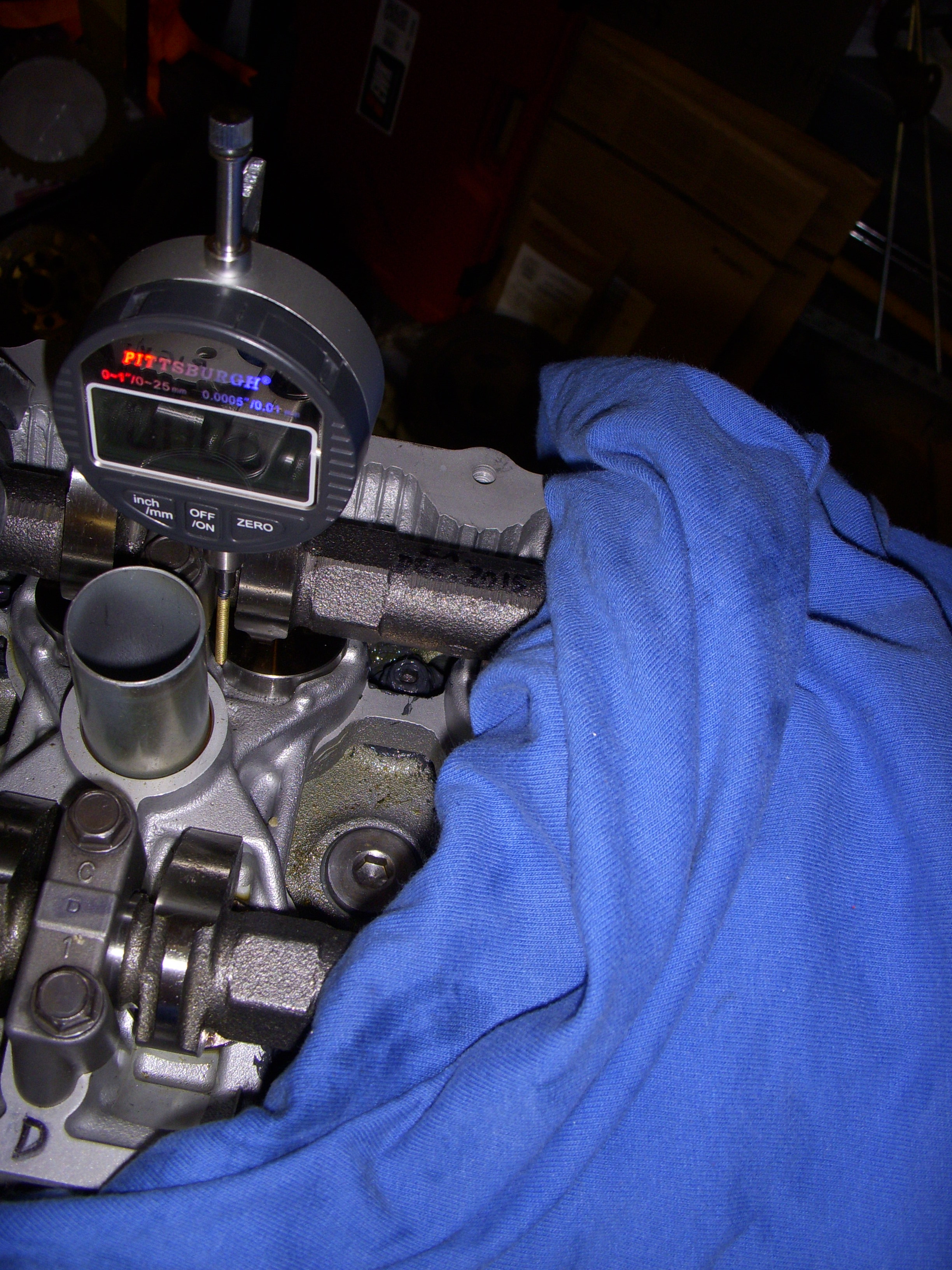
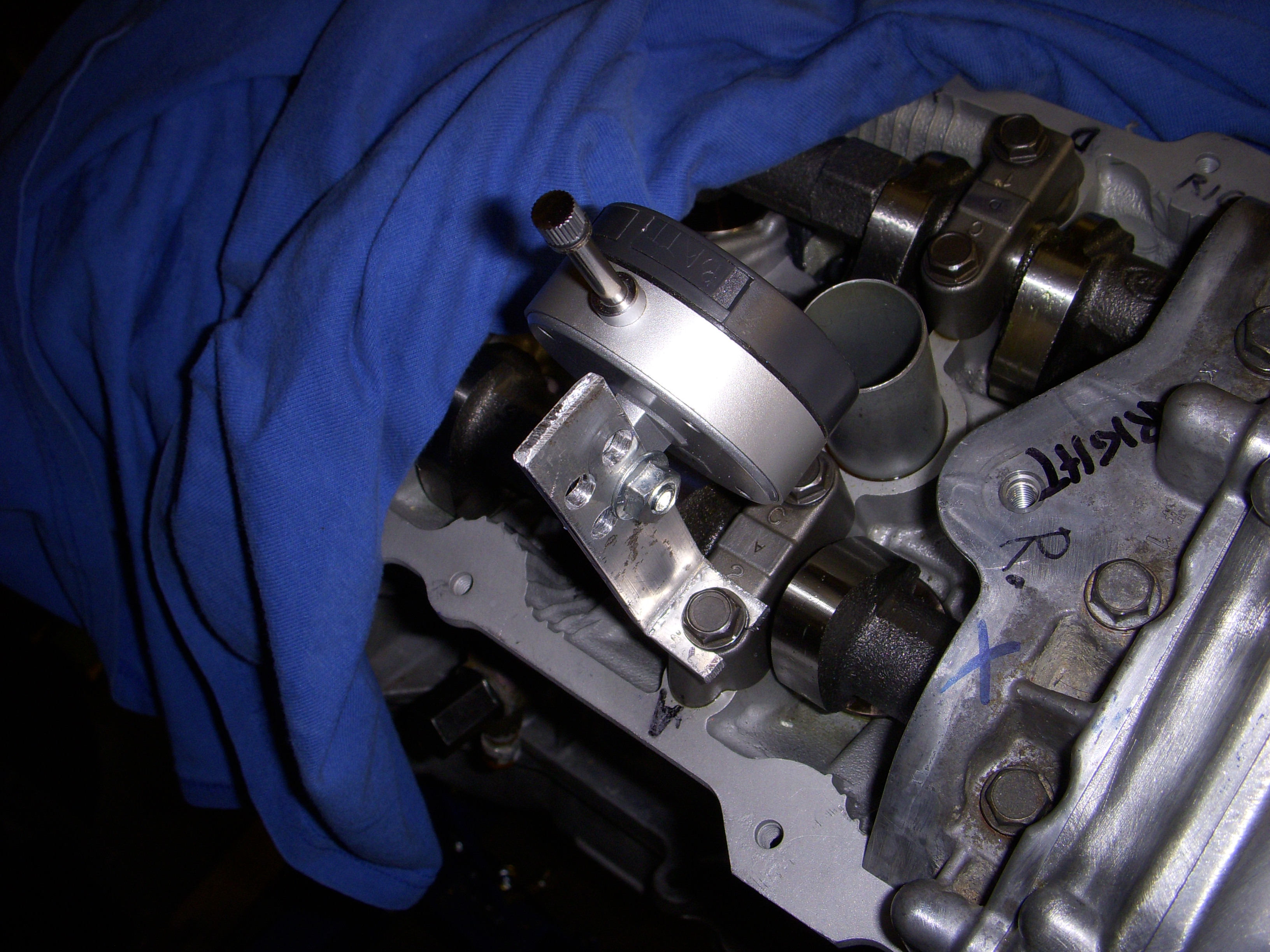
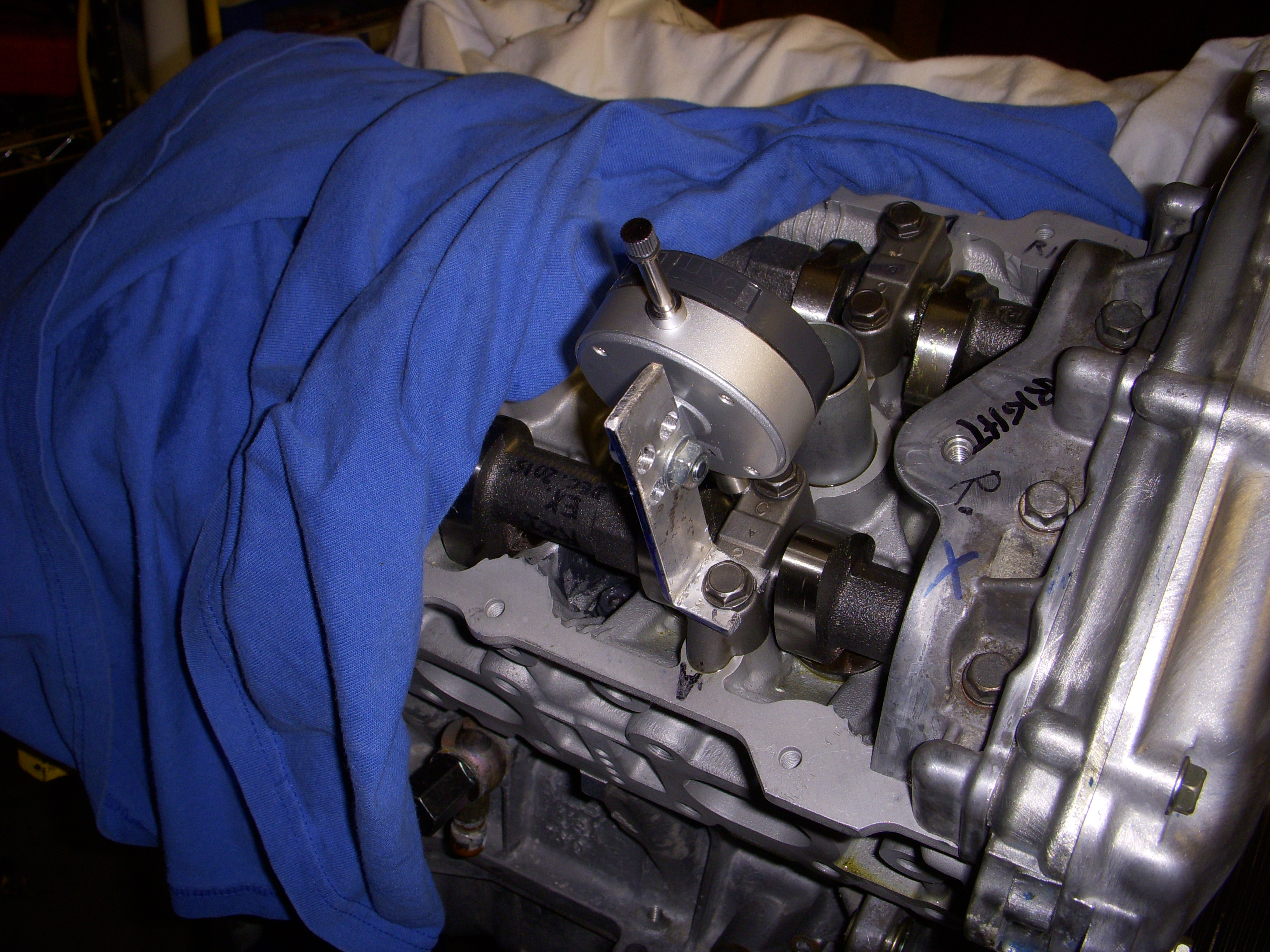
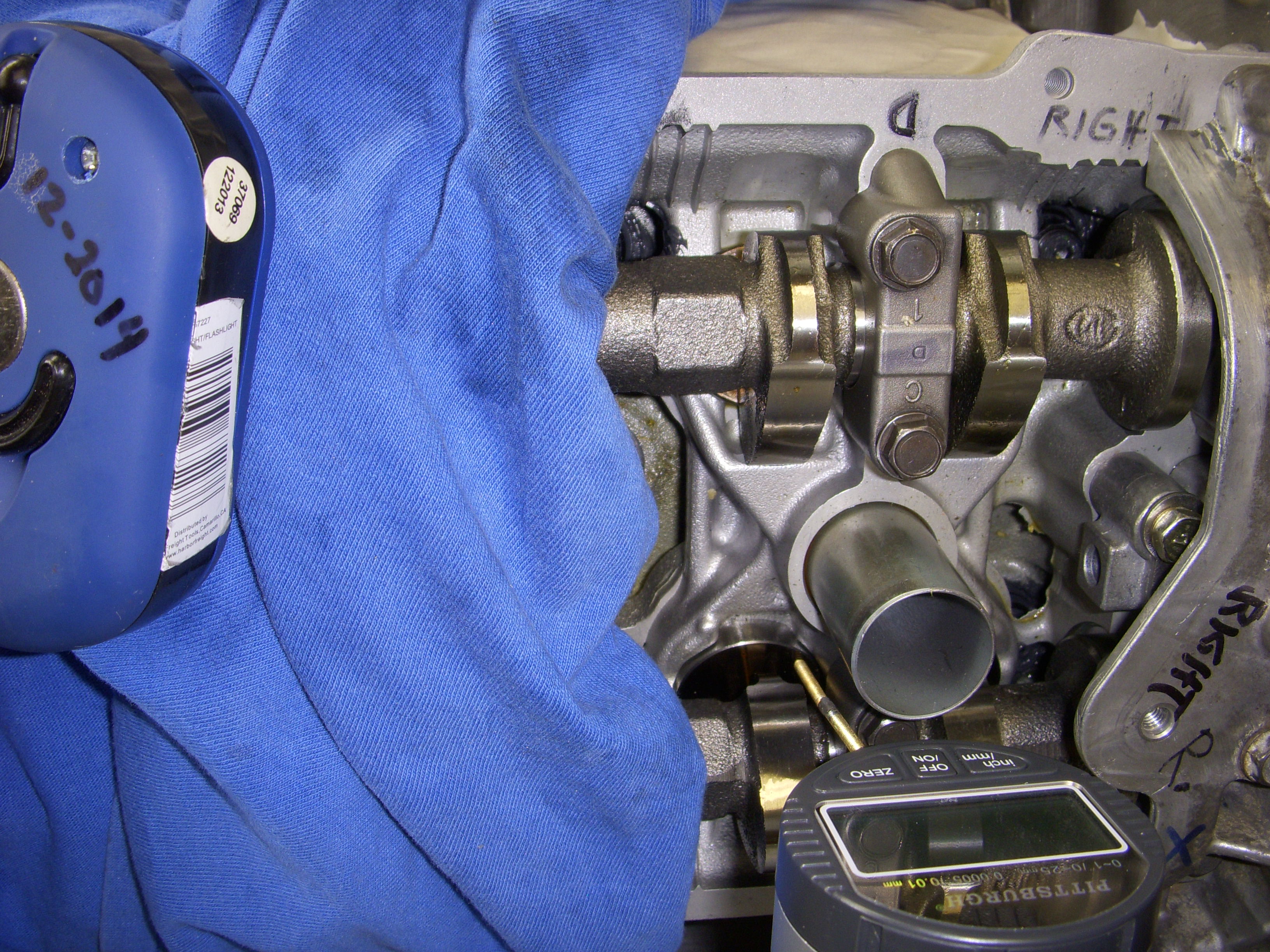
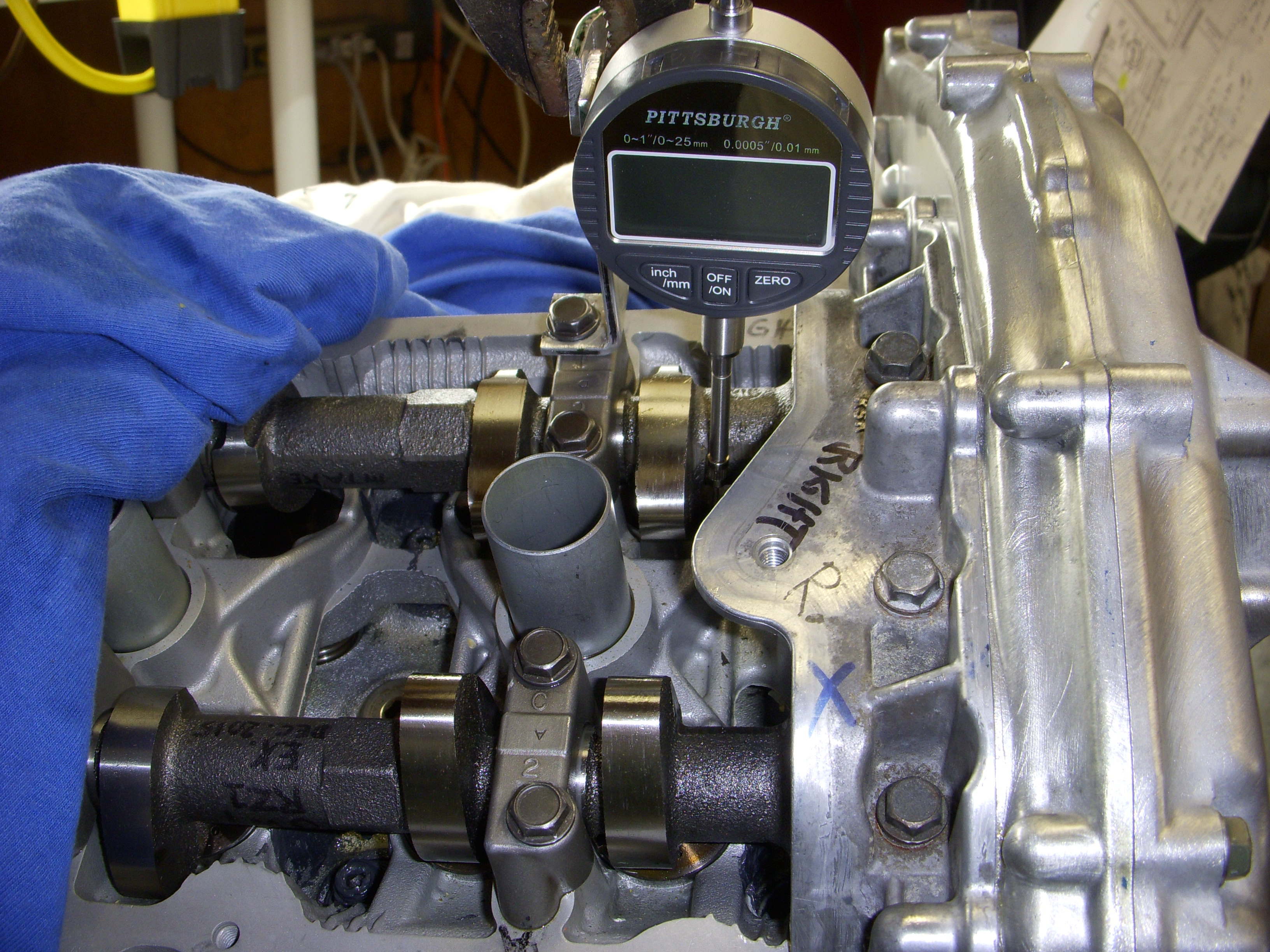
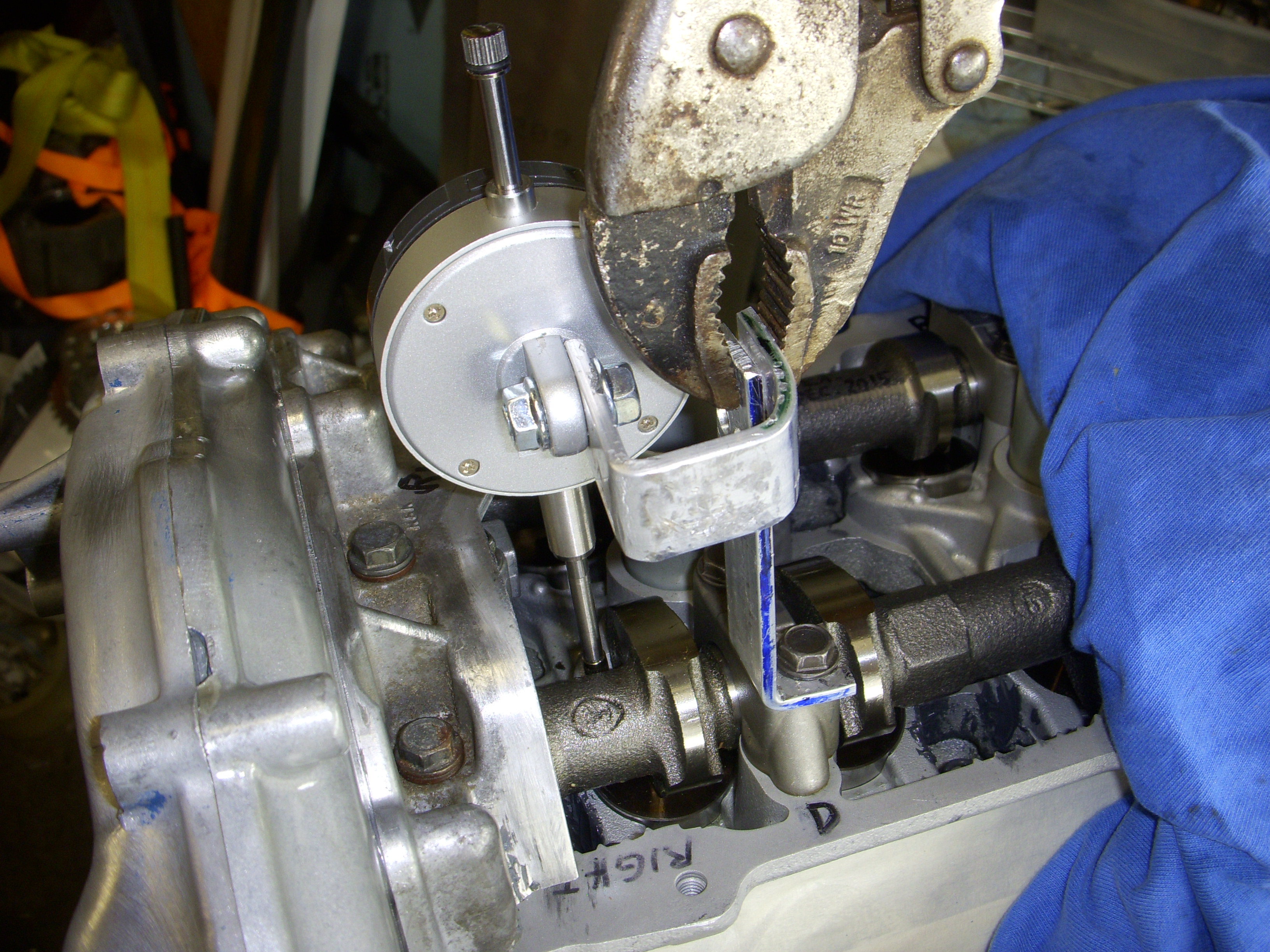
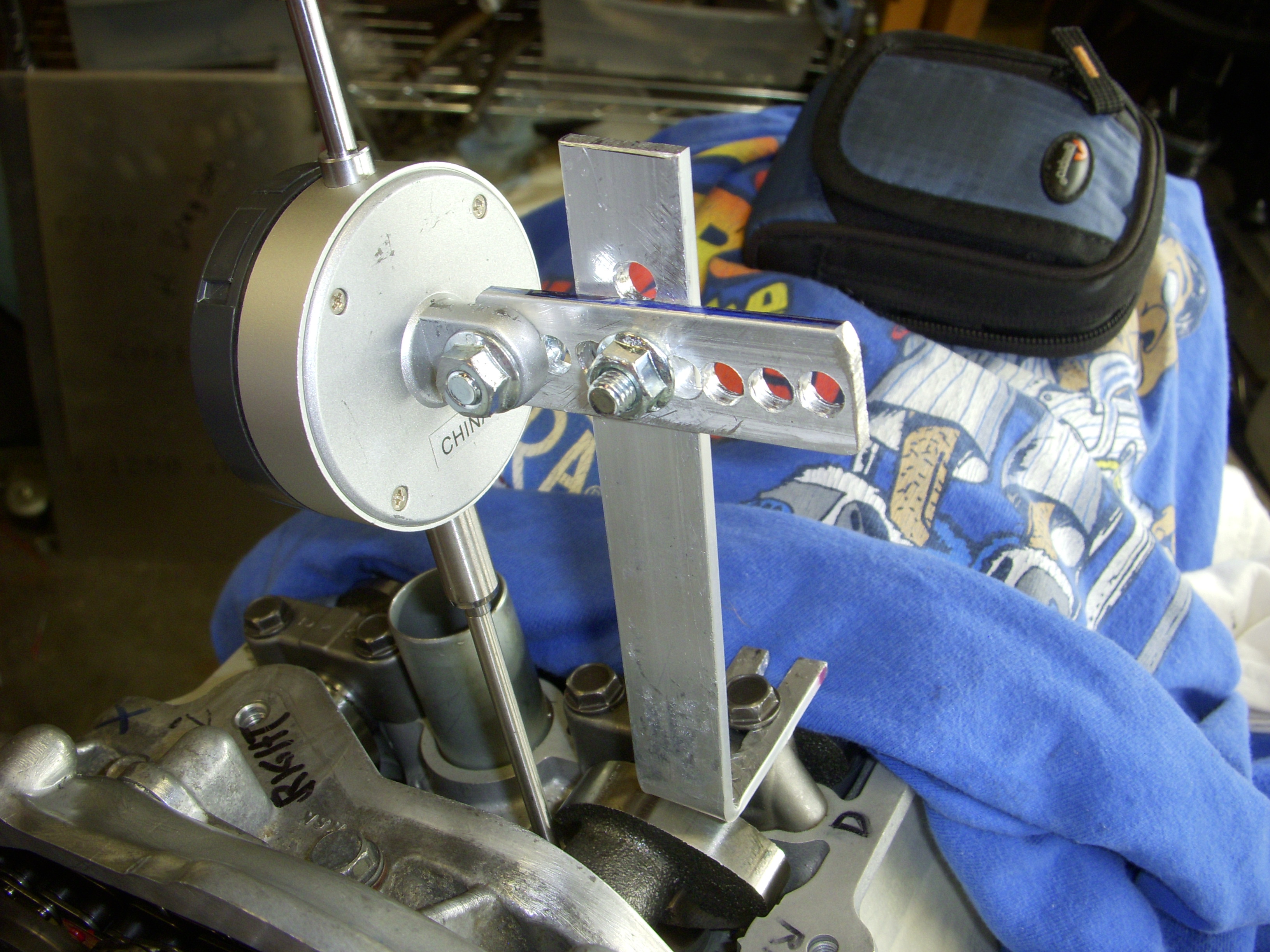
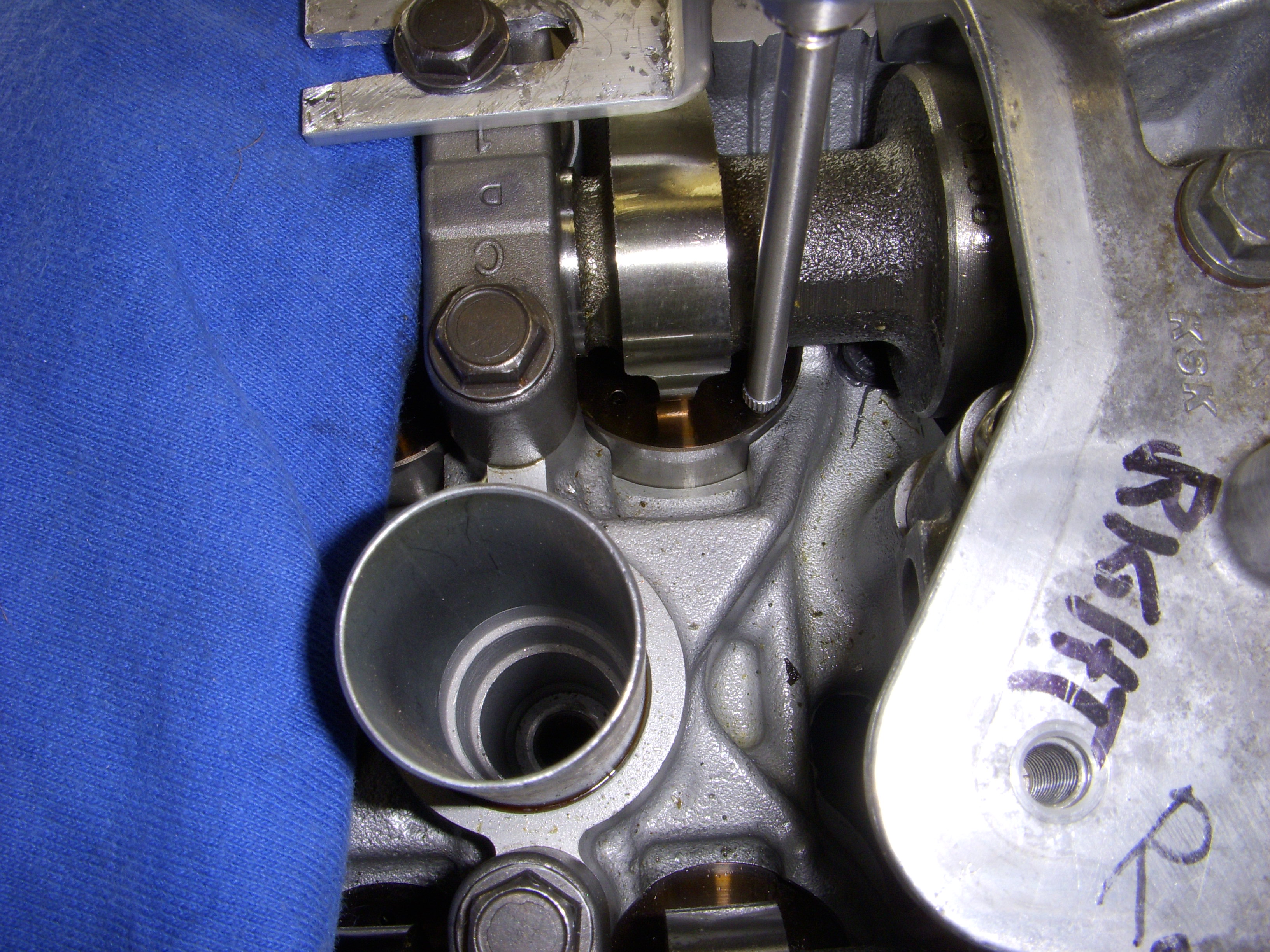
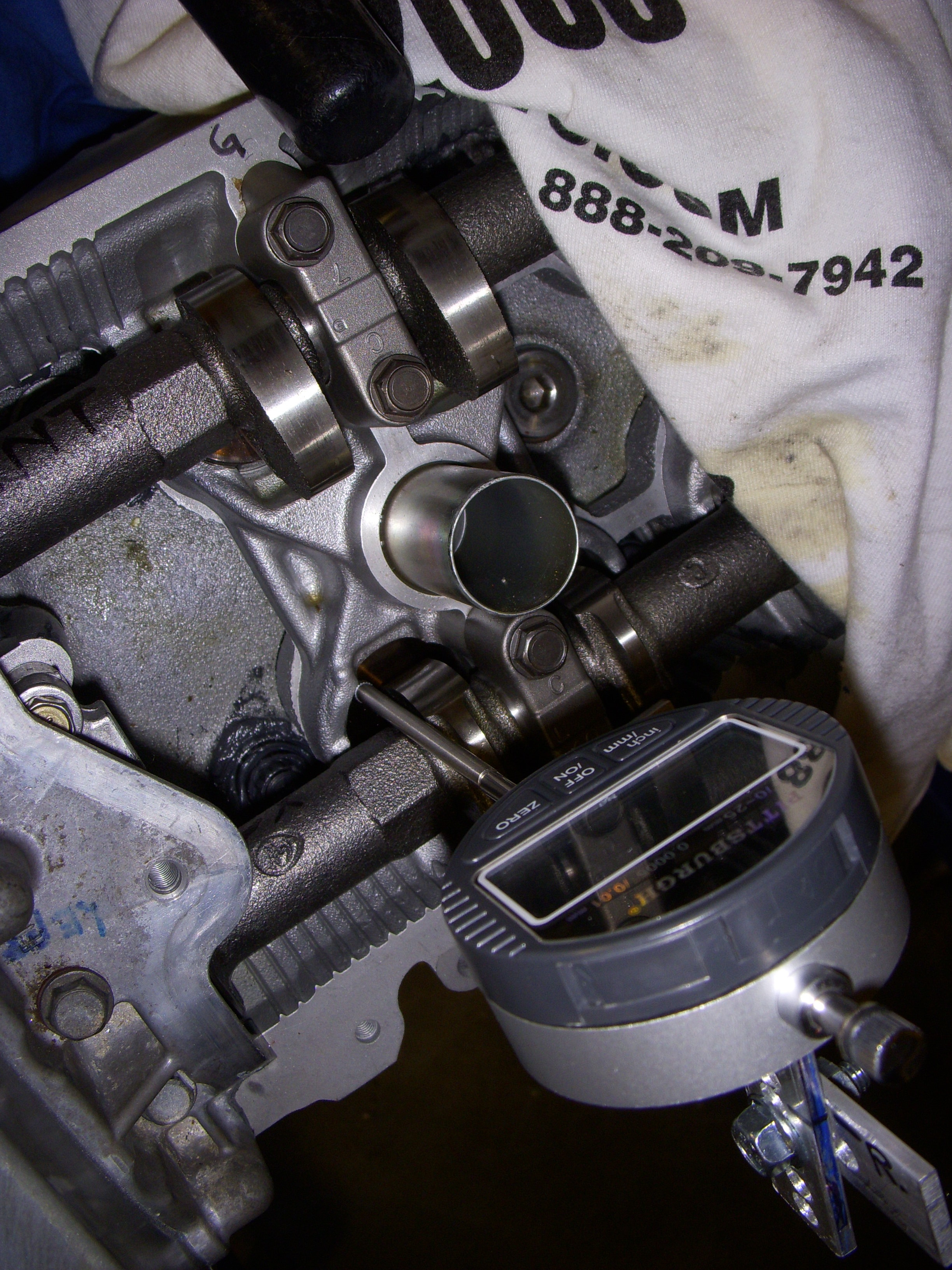
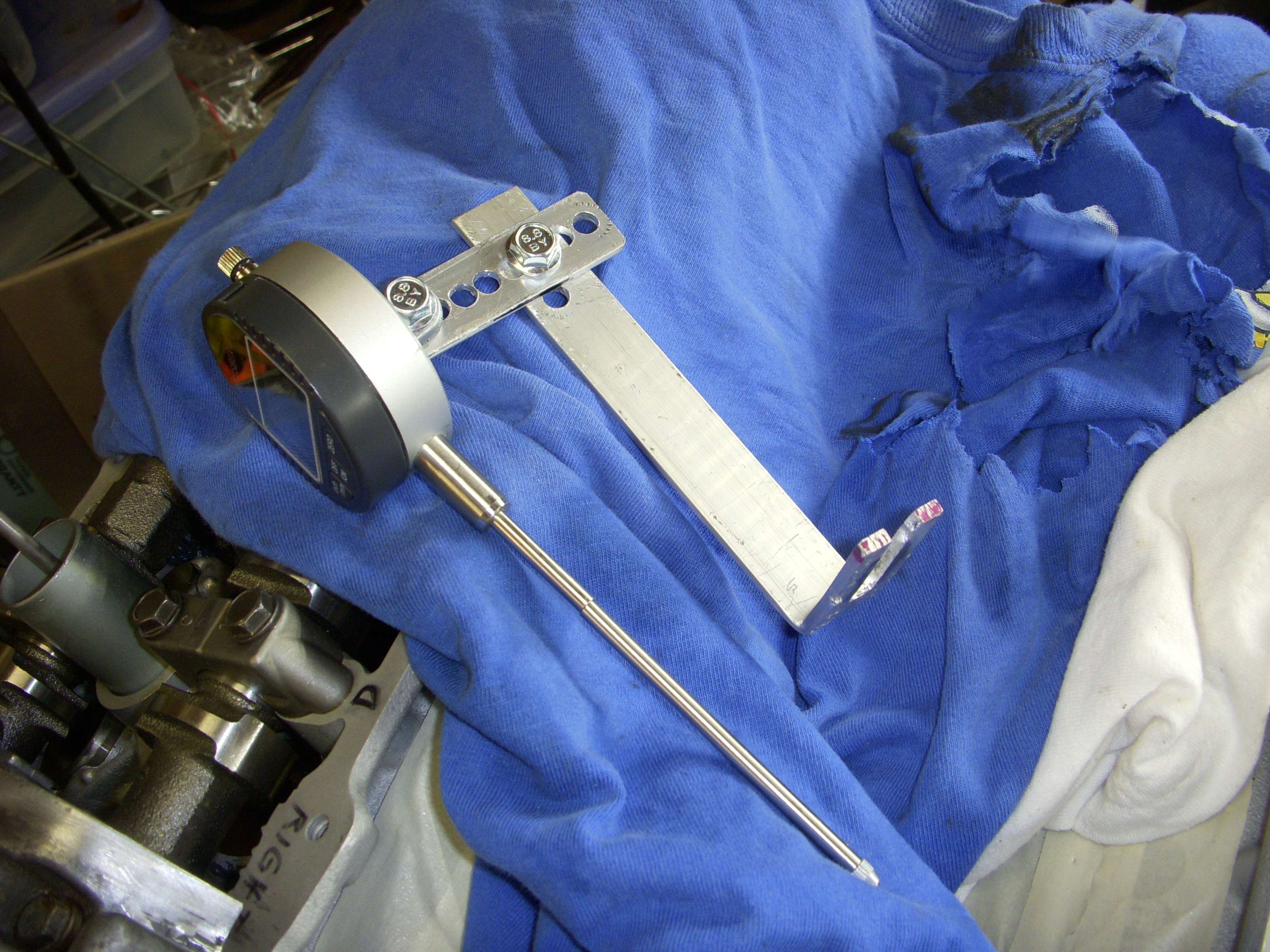
Here's the tricky part of how to measure cam starting, Lobe Center, and end points for an exhaust lobe with a digital depth gauge and misc aluminum pieces.
This required soldering two pieces together of 4-48 brass screw material to clear the lobes and land on the lifter so that moving the crank ahead will show actual measurements of lift in mm.
Last edited by grey99max; Jan 16, 2017 at 03:03 PM.
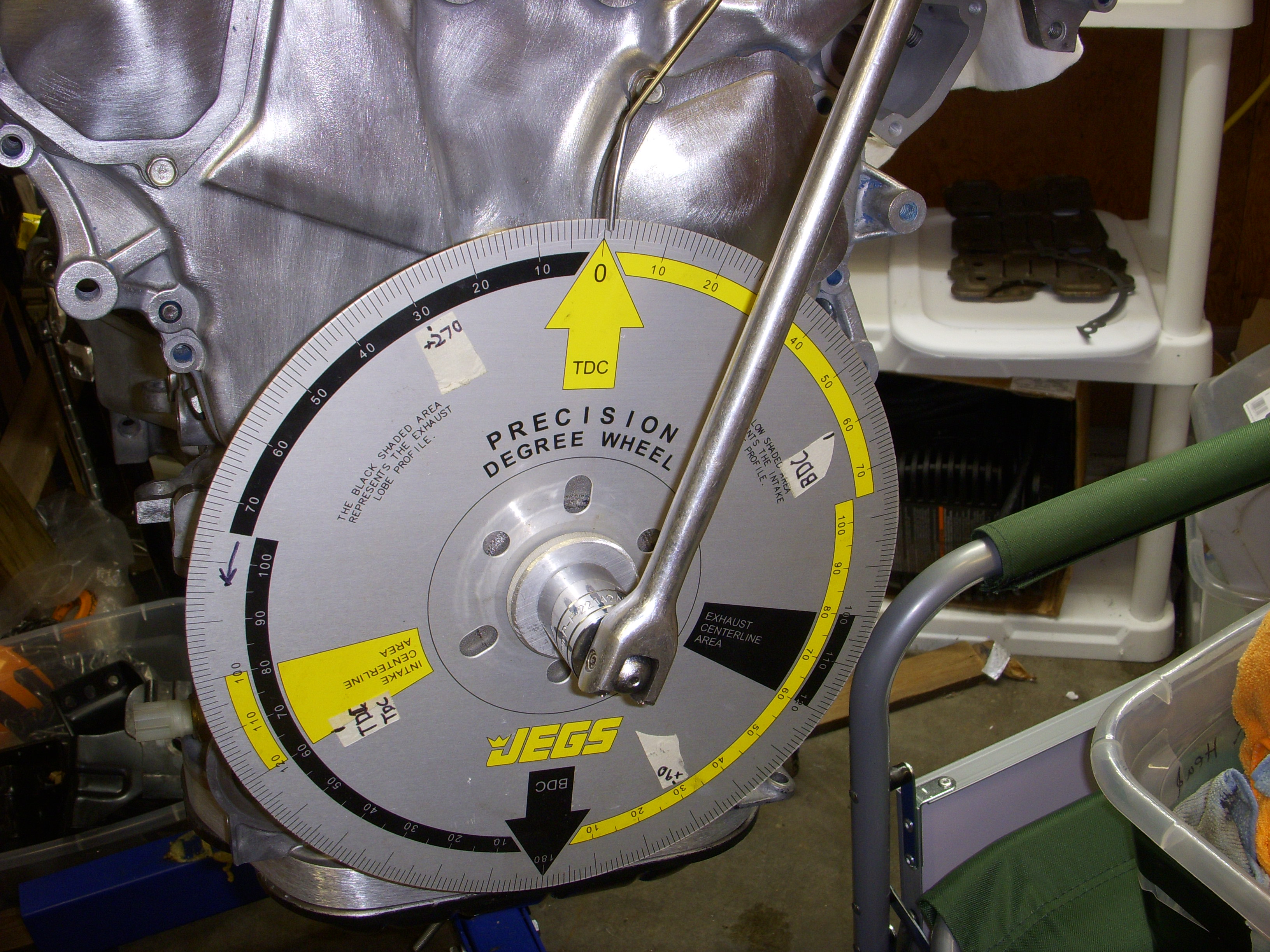
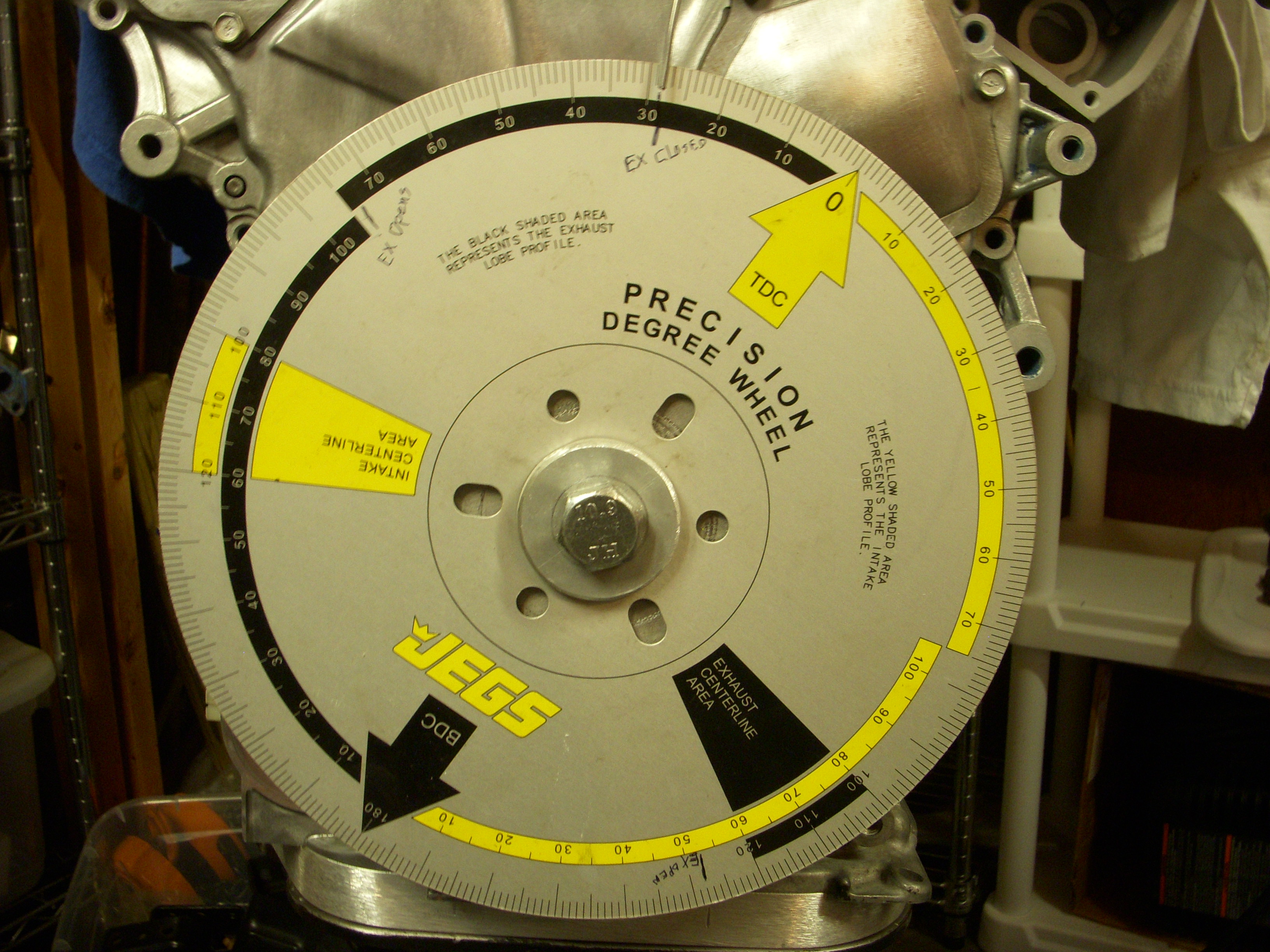
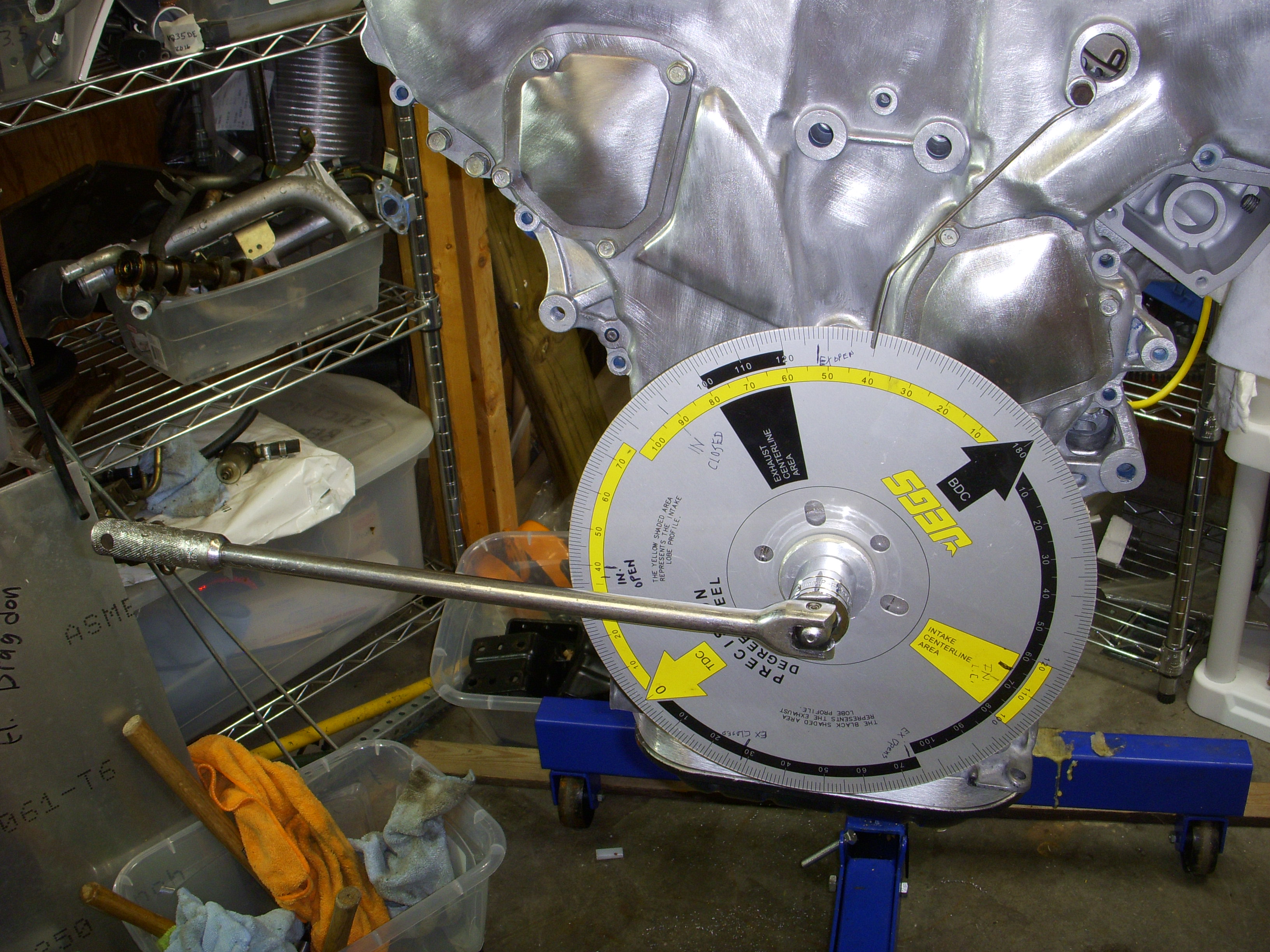
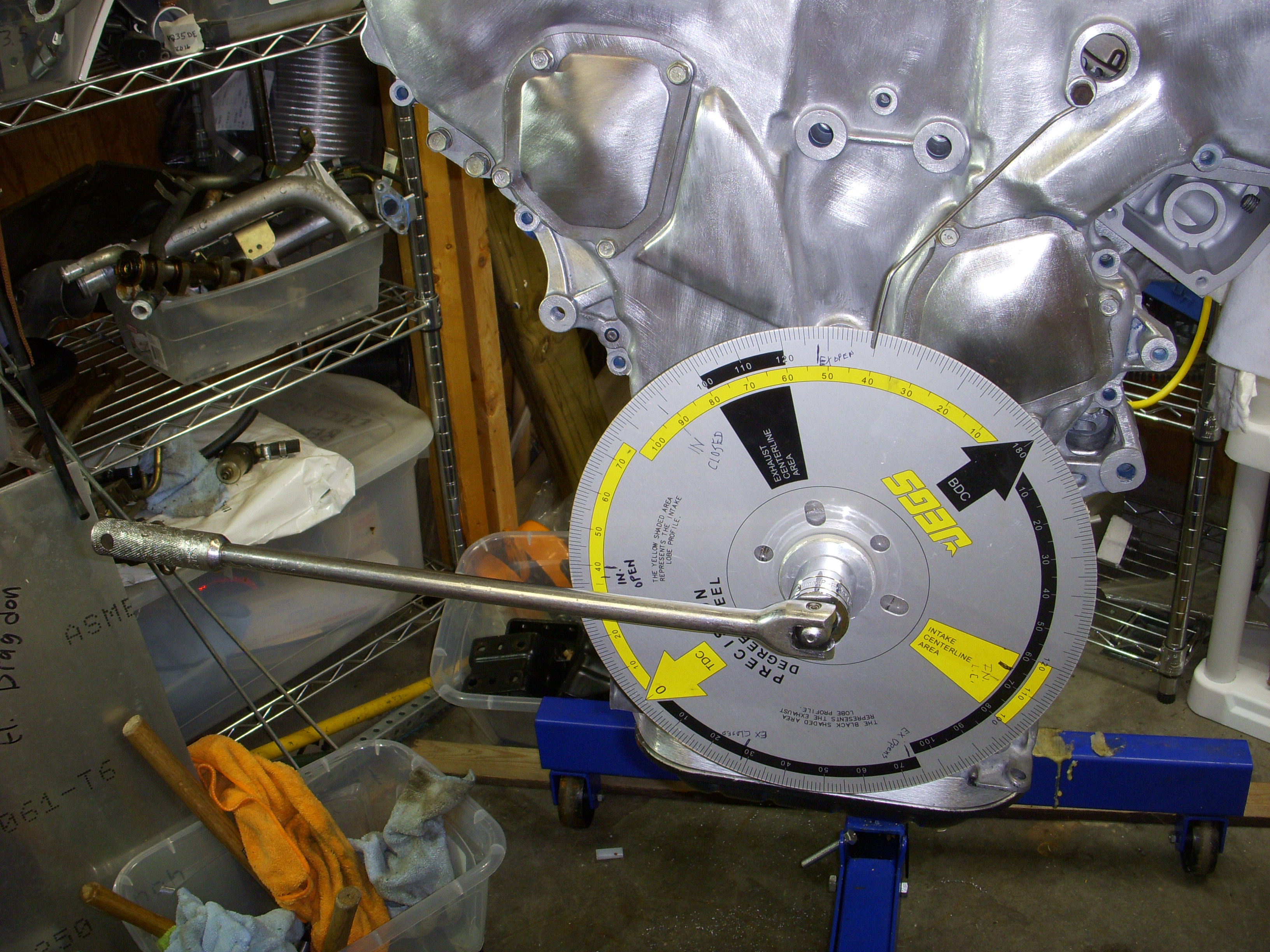
Final photo of the degree wheel and Start-LC(lobe center)-Stop points marked . Total exhaust lobe lift was 11.57mm, and other points are shown on the degree wheel. These are some LONG duration cams. Start and Stop points are where the gauge came off 0mm and returned to 0 mm - since the .013" gap built into the lifter is the only gap between the cam surface.
The exhaust valve is closed from 29* to 73*, about 44* spent closed of 1 crank rotation.
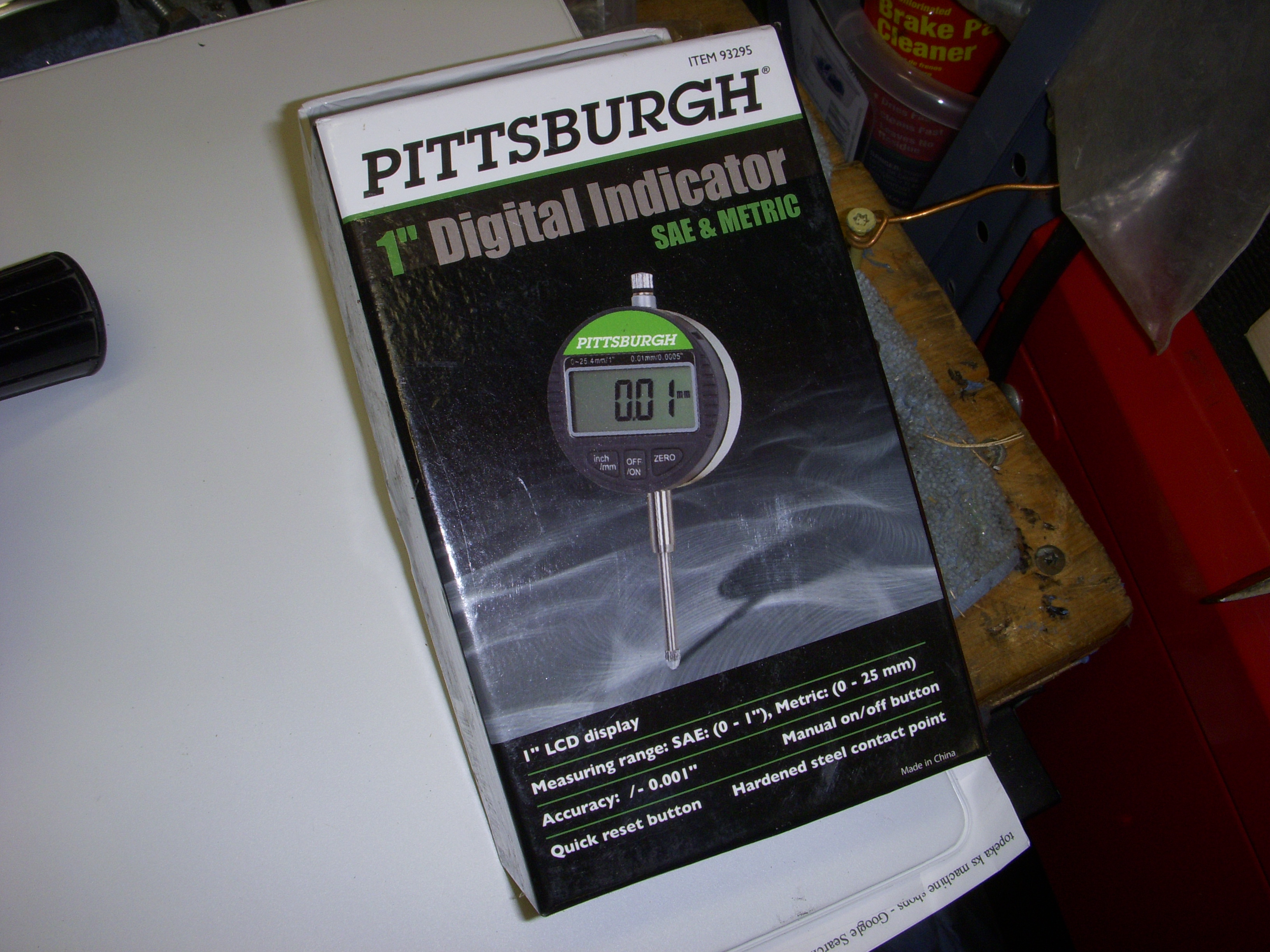
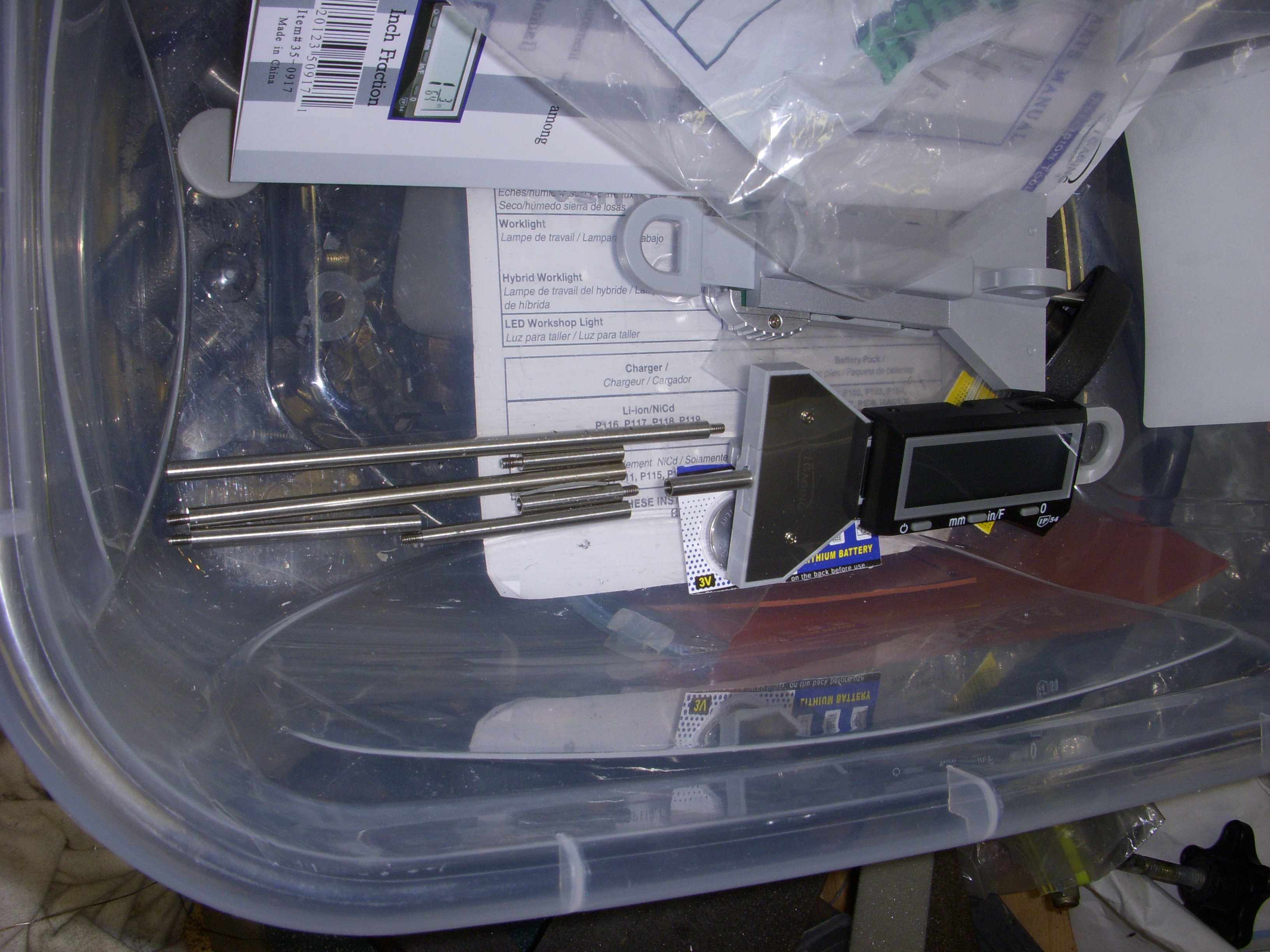
I had to stop here, because the digital gauge I have does not have enough reach or travel to use on the intake lobes. I bought a couple more gauges over eBay with longer threaded 4-48 shafts that can be threaded together so I can mount the gauge higher to track the lifter surface right next to the cam lobes. Ain't much room there for anything - gotta go up.
I also ordered a 14mm-12mm spark plug adapter and a 14-18mm compression checker from Lisle - good stuff. HRs are 12mm plugs, yah know.
Last edited by grey99max; Jan 16, 2017 at 03:04 PM.
Man that play dough trick is awesome. I don't think I will be stuffing a 3.5hr into a 3.0.... bottom end anyway...
With the headstuds did you go with the arp or the juke headstud?
Once you get the cams in how long did it actually take you to set them and get tdc etc...?
I just want you to know I am doing a baby turbo version of this... on much smaller scale... hr valvetrain big turbo, 00vi... see if I can get big numbers out of a 3.0.
Man that play dough trick is awesome. I don't think I will be stuffing a 3.5hr into a 3.0.... bottom end anyway...
With the headstuds did you go with the arp or the juke headstud?
Once you get the cams in how long did it actually take you to set them and get tdc etc...?
I just want you to know I am doing a baby turbo version of this... on much smaller scale... hr valvetrain big turbo, 00vi... see if I can get big numbers out of a 3.0.
I only use ARP studs - they have allen sockets on the top of each stud so you can run them in finger-tight if threads are clear, else use an allen wrench to set them. The real advantage with ARP is their moly lube - tighten the nuts and washers in three rotations, up to 85 ft-lbs, and no tighten-loosen-90* factory crap. Reuse the studs forever, and just use their magic moly. Never heard of using the Juke headstud...?? You'll never blow a headgasket with ARP studs and latest HR head gaskets, with decked heads and block.
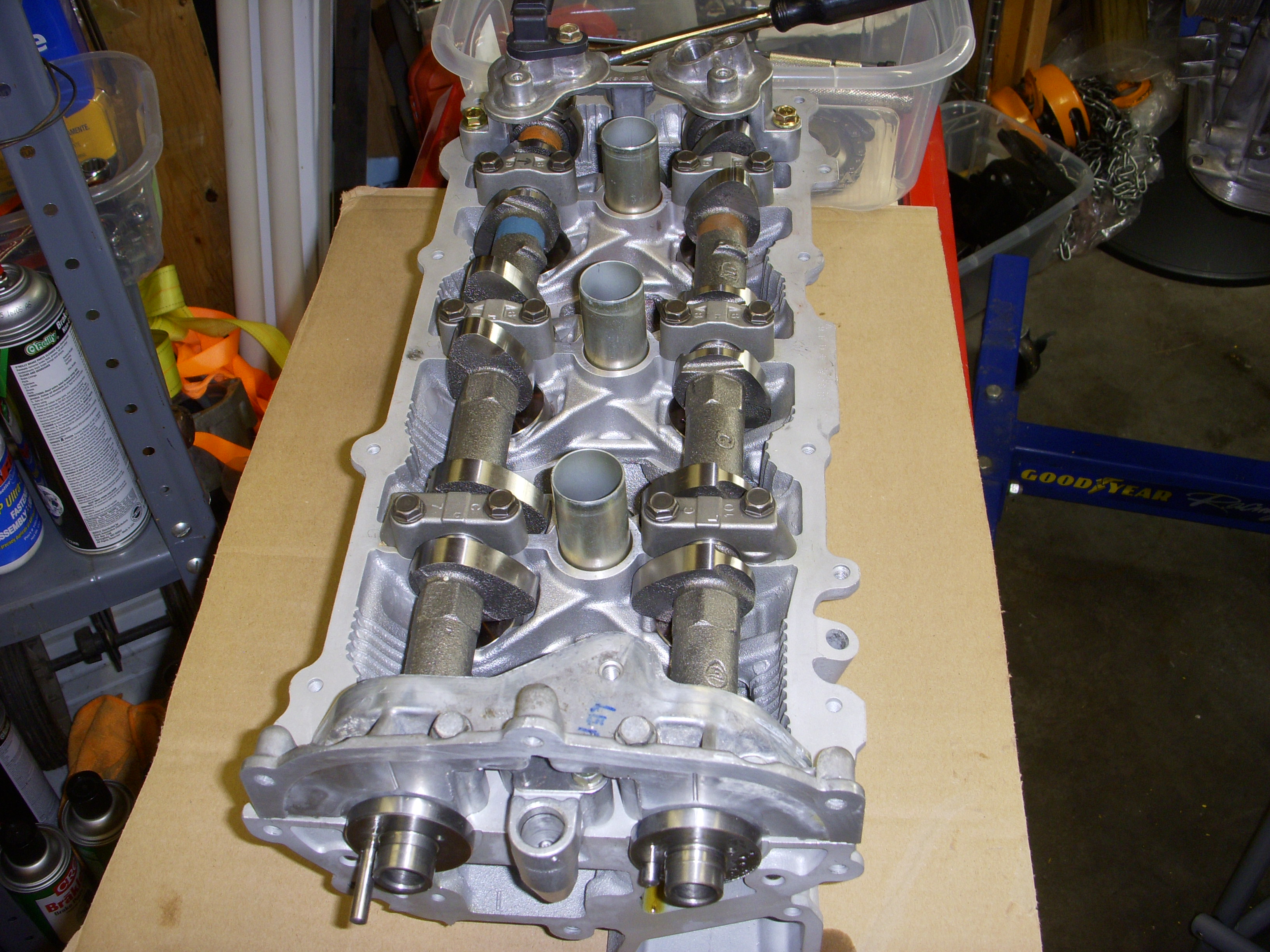
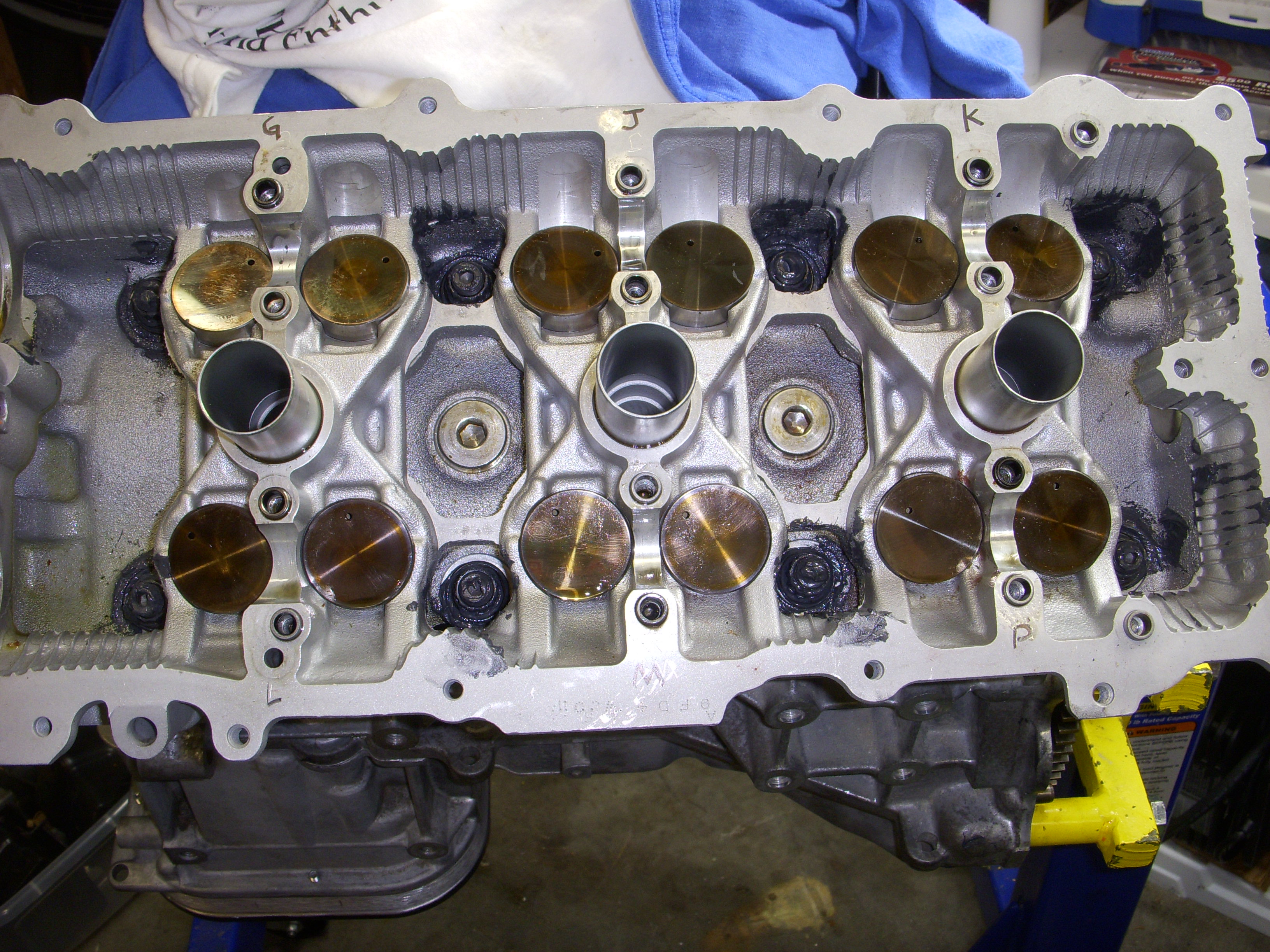
Cam installation was pretty complicated, heads had to be machined for lobes, cam bores polished for correct fits, setting up Dremel baby drill press with rotary stone to cut down each DLC lifter to exact clearance (.013") after lapping in all HR valves, and some minor stuff. The JWT cams were supposed to be drilled to match 3.0 specs and I'm still in the midst of verifying actual lobe centers for intake and exhaust for both heads - waiting for the new depth gauge with longer rods for the intakes. TDC is easy - take out #1 spark plug, drop a welding rod down the hole and rotate the engine until the rod stops going up and just starts down = TDC.
Which heads (HR - or 3.0) and which gen HR cams are you using? Stock HR cams aren't drilled for 3.0 specs, so adapters?? Gotta be DLC lifters with the huge HR valve springs - I have found several DLC lifters with chunks of DLC missing on three heads, so don't forget cam additives. What is "HR valvetrain" for you? I'm assuming you plan on using the 3.0 chains and gears??
I'm using 3.0 heads, 2006 350z hr cams. I bought hr retainers, and shims (double shimming) and hr valvesprings. I did need cam adapters from jwt and I had a buddy adapt them. That's what I mean by hr valvetrain. I am using 3.0 chains and gears yeah.
As far as the juke headstuds look em up, they are supposed to be as good if not better than arp.
I'm using 3.0 heads, 2006 350z hr cams. I bought hr retainers, and shims (double shimming) and hr valvesprings. I did need cam adapters from jwt and I had a buddy adapt them. That's what I mean by hr valvetrain. I am using 3.0 chains and gears yeah.
As far as the juke headstuds look em up, they are supposed to be as good if not better than arp.
That does sound like a good way to get HR cams in the 3.0 - question, if you are using HR springs with double shims, you're shooting for 8K RPMs or more? And something else - have you thought about HR heads on the 3.0 block? Much better breathing, but don't know if possible - never mind.... Hmmmm... I have 2012 FX35 HR heads sitting on a 2005 VQ35 block with 3.0 timing gears and chains, and all covers fit on the HR heads - all the bolt holes are in the same location as the 3.0 heads. Plus I have four HR cams that are now homeless...
I see that Nissan has massive VQ35 head bolt problems since 2011 ?? so the longer Juke bolt is being used as a substitute. Of course they must be install-once bolts since they get stretched on installation, and the block needs tapped for the longer thread - I'd grind them down to stock length.
Definitely not in the same class as ARP fasteners, but they do cost 1/10 of ARP studs so no worry about re-using them. Well, wish you good luck with the 3.0 project - this should be interesting as a turbo project as well...
I'm shooting for 7300. Figured high revving under boost it should be built to handle more. As for the hr heads, this is how it was explained to me...the 3.0L is designed for 3.0L heads = quench area provides best spark propagation/fuel combustion inside the cylinder...
So I'll be keeping the 3.0 head... but someone... should try to drop 3.5 internals in a 3.0 with hr heads and intake for kicks n giggles...
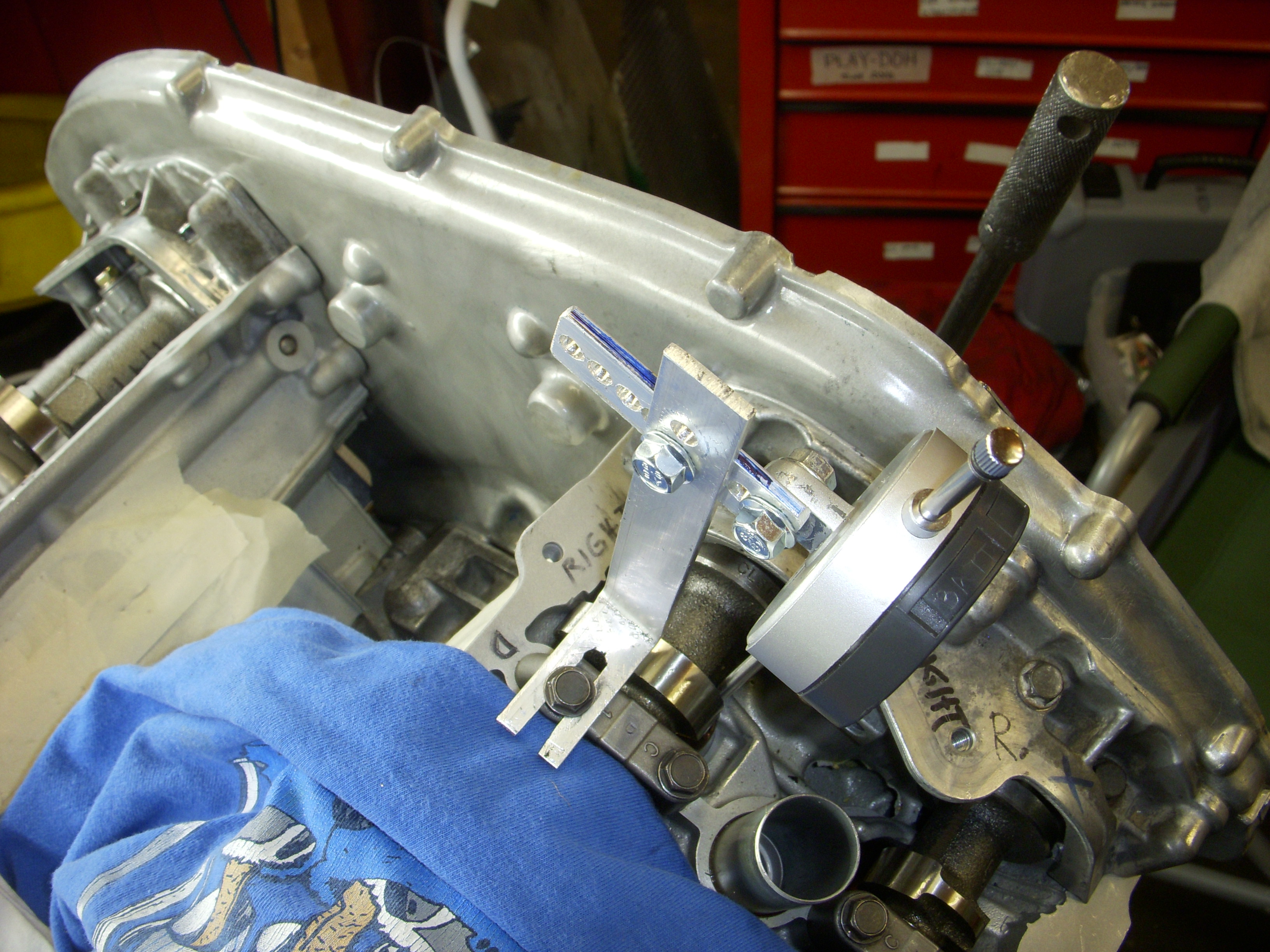
Made up some more aluminum brackets to old the digital depth gauge and documented what the JWT intake cams are doing.
Time to spin that wheel... I actually kept notes on the degree wheel of first-open, LC (lobe center) and close-point of exhaust and intake. Easier to find in my garage...
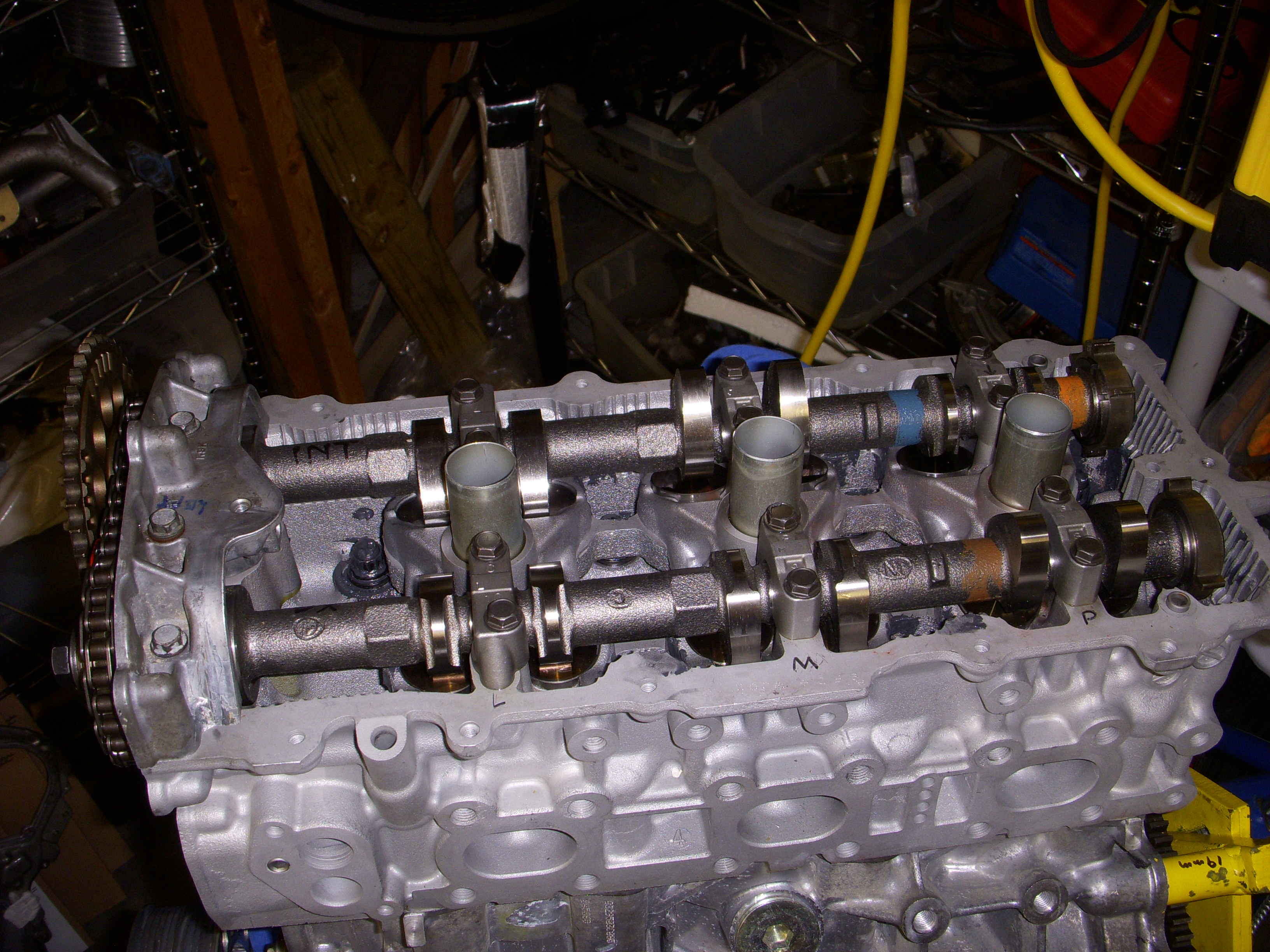
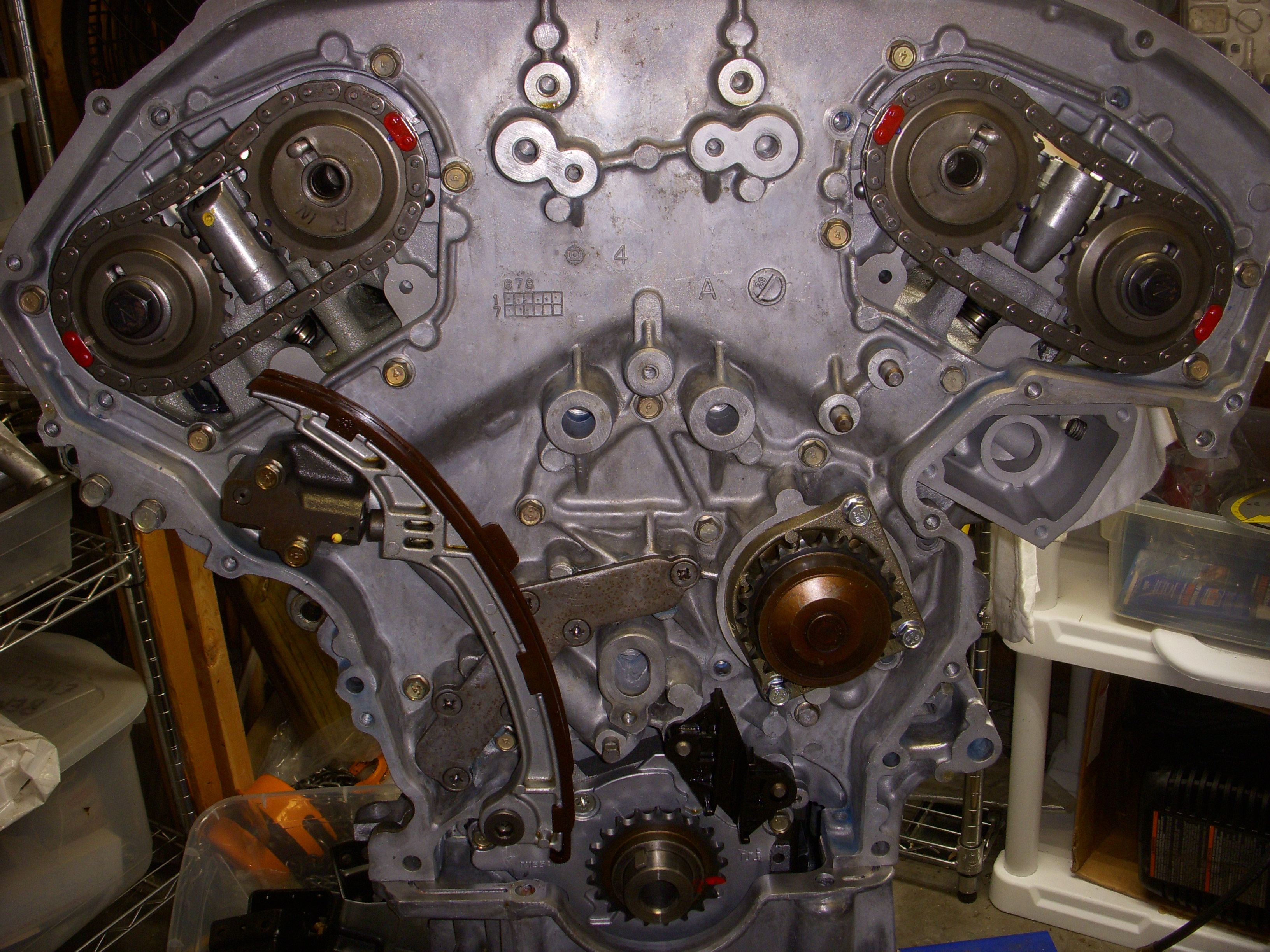
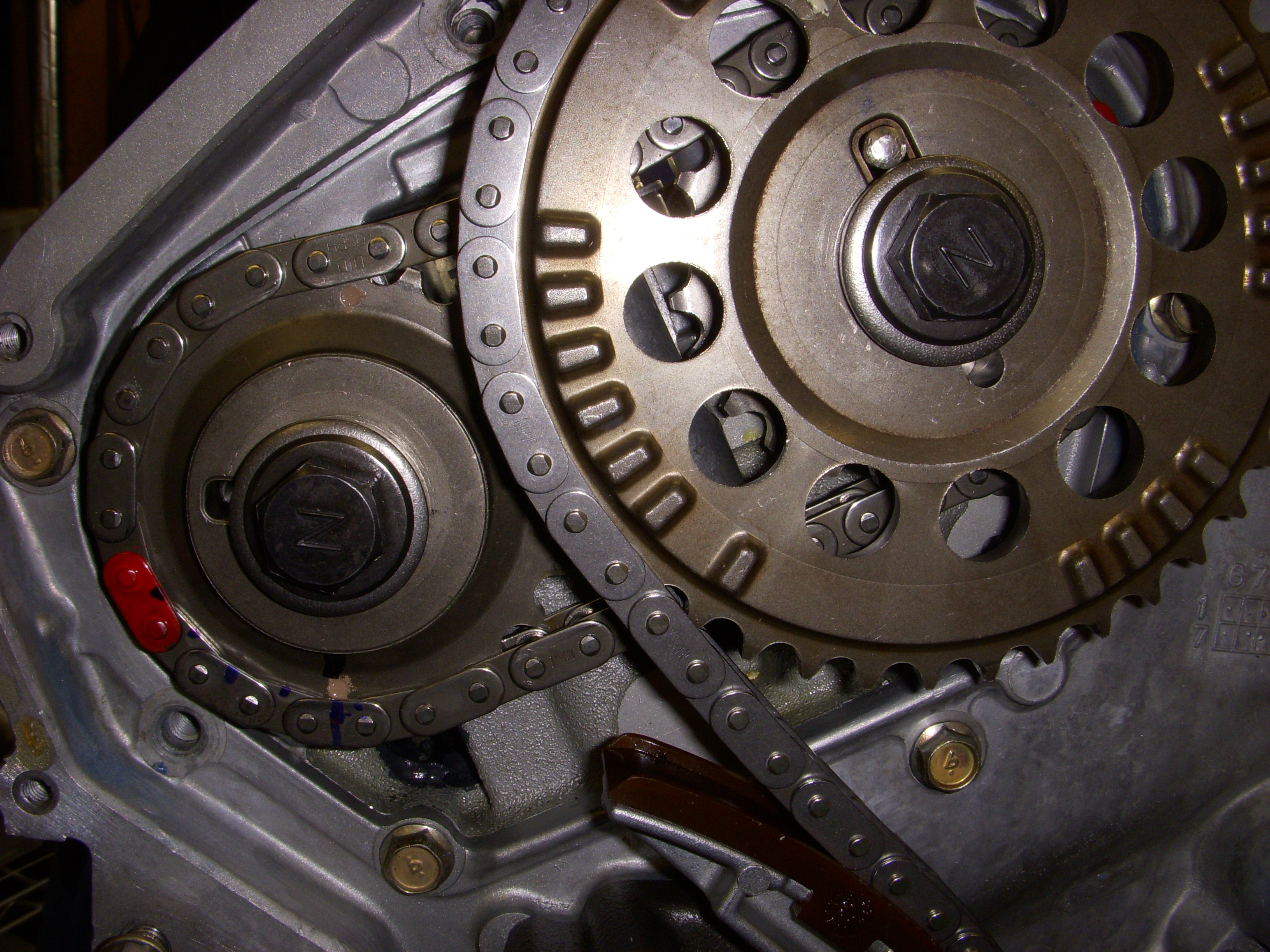
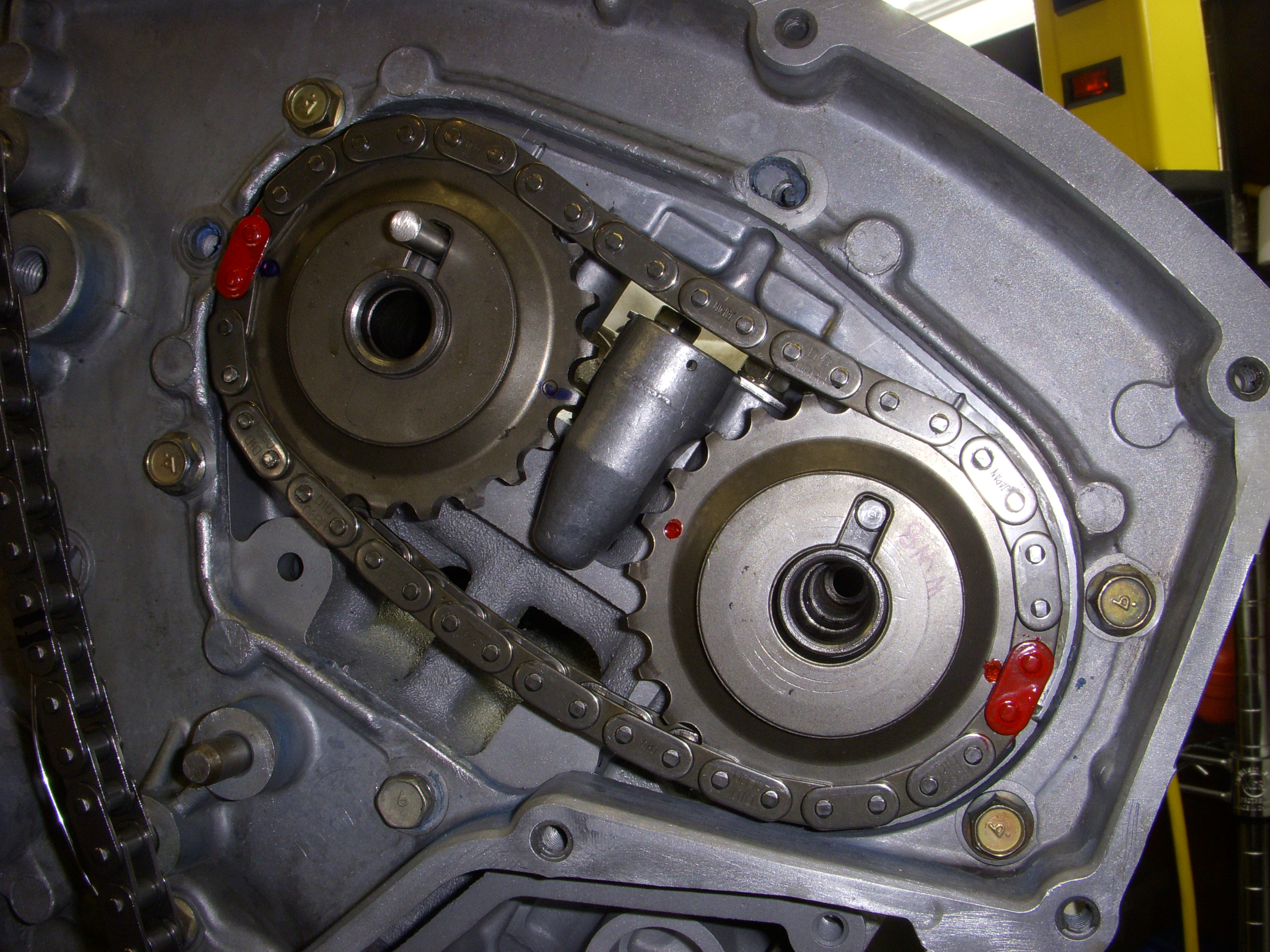
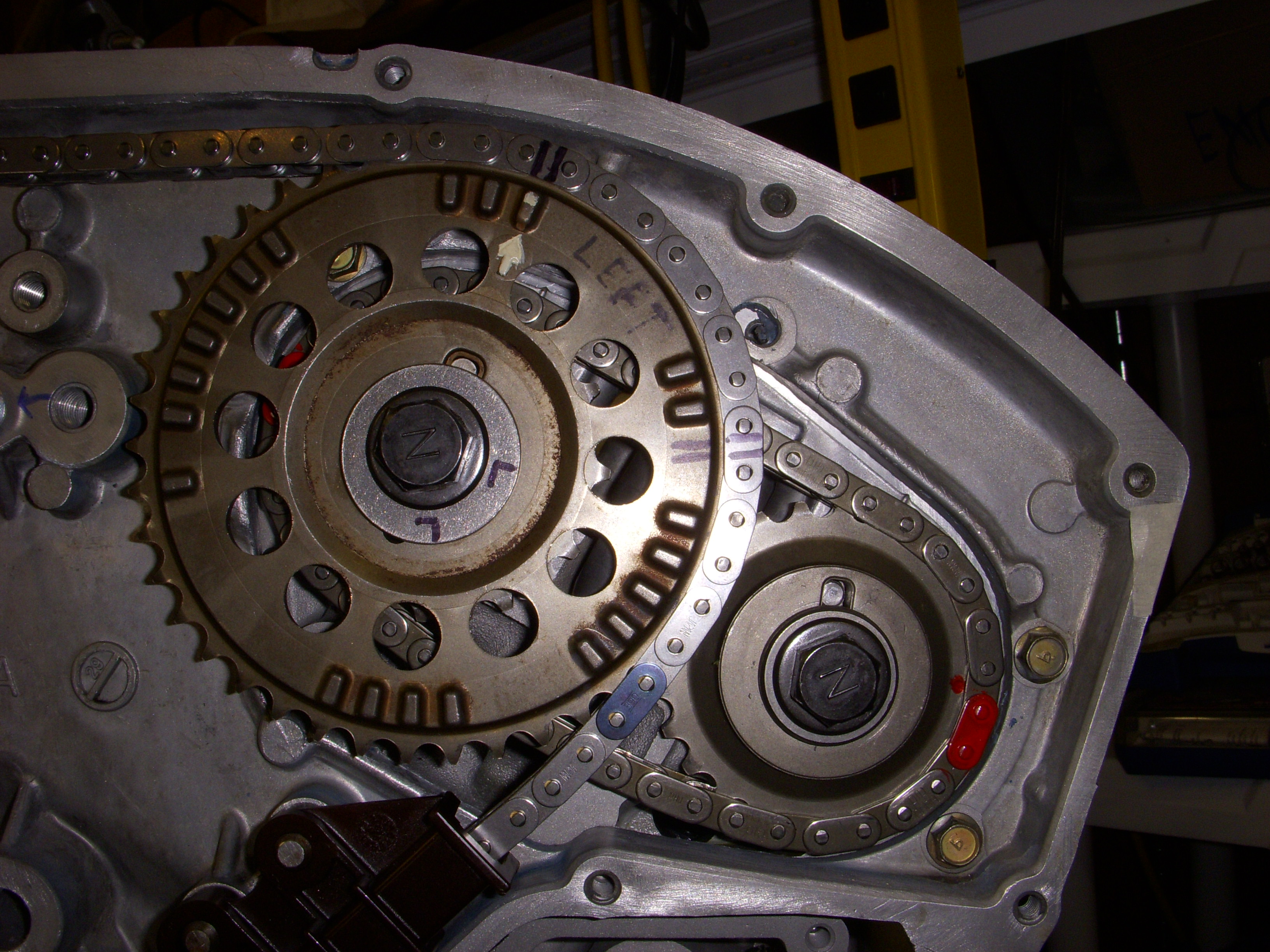
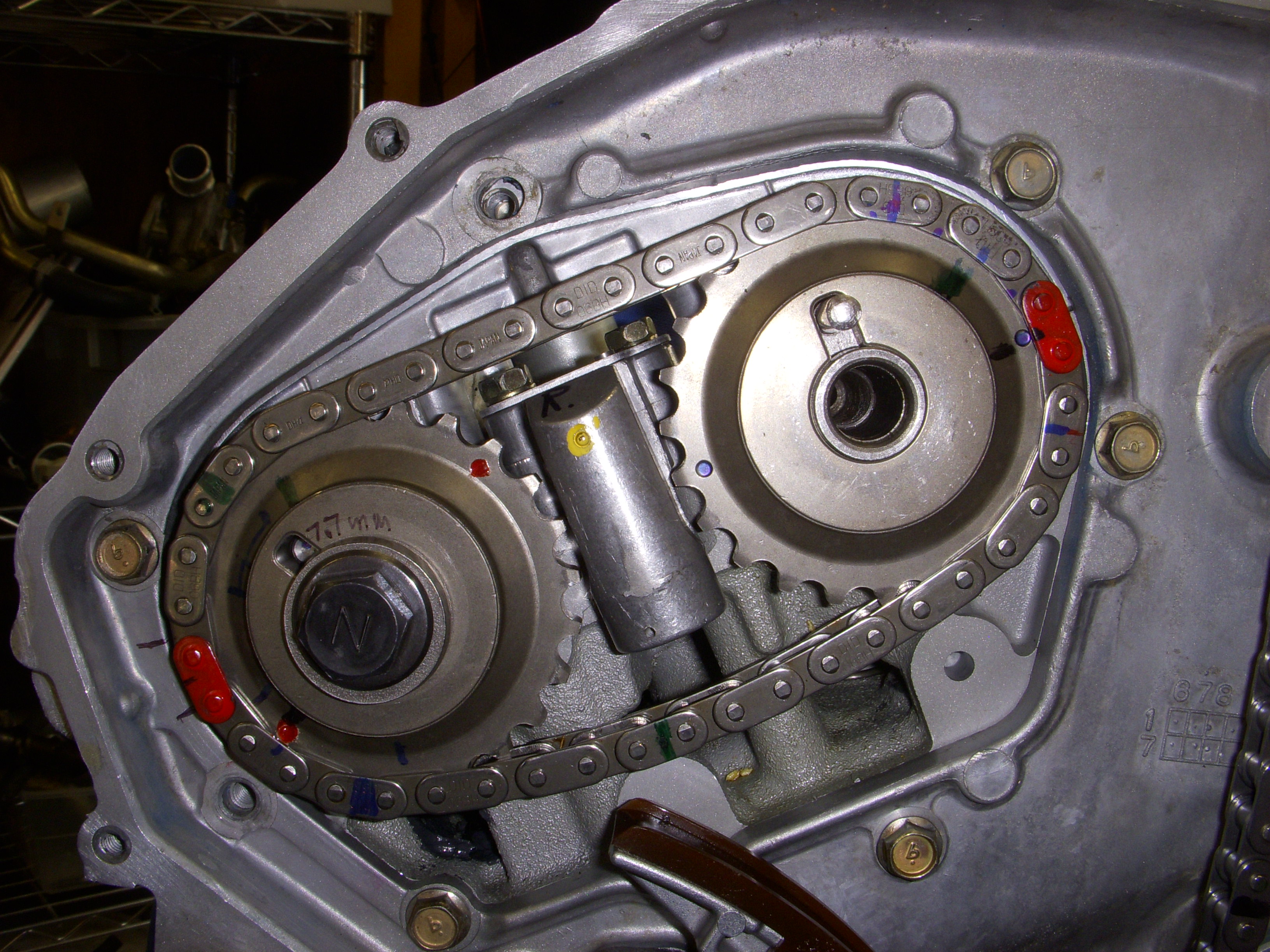
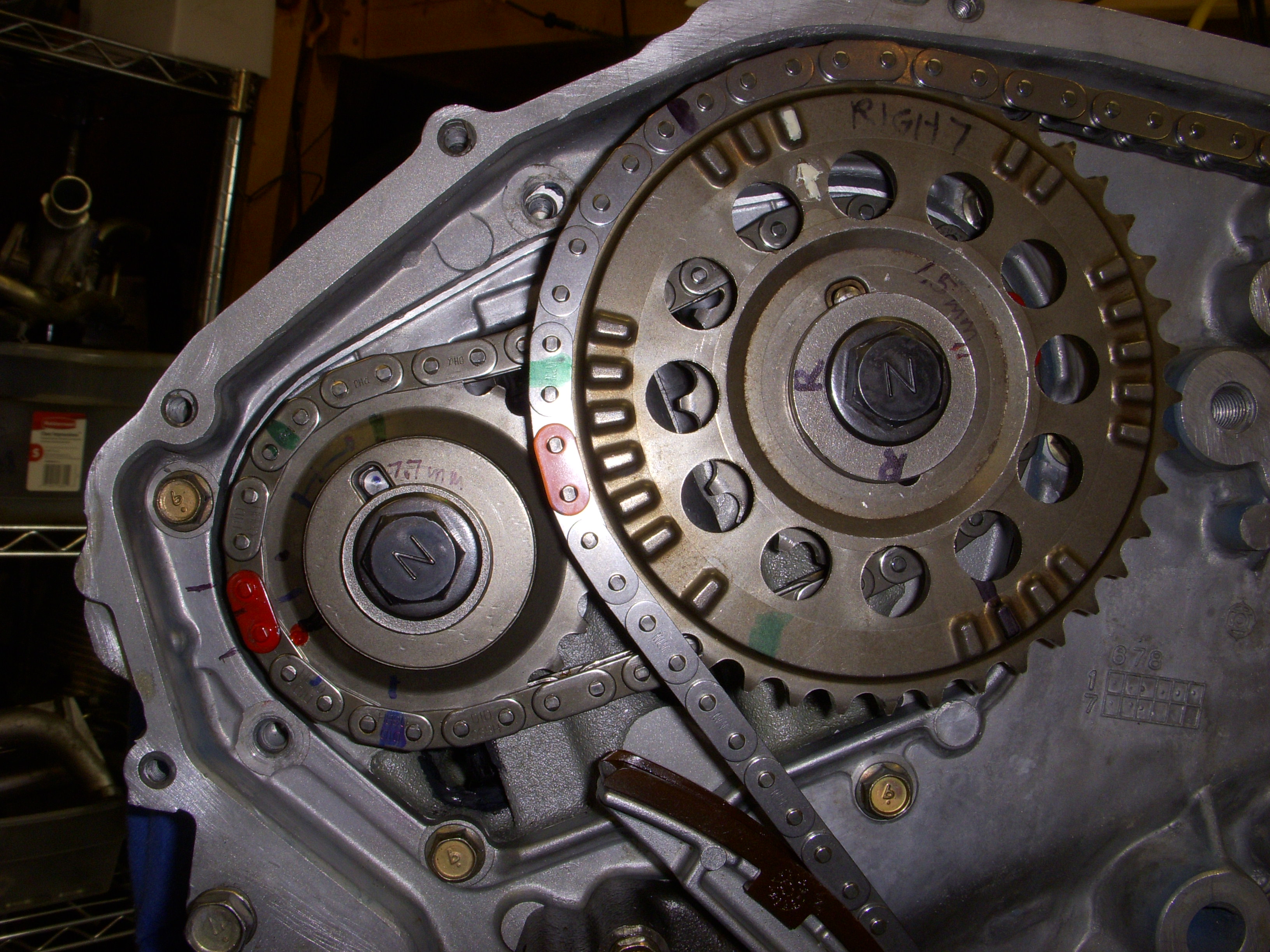
Notice the long (30mm) rolled pins going into the intake cams? There's a back story there, for later.
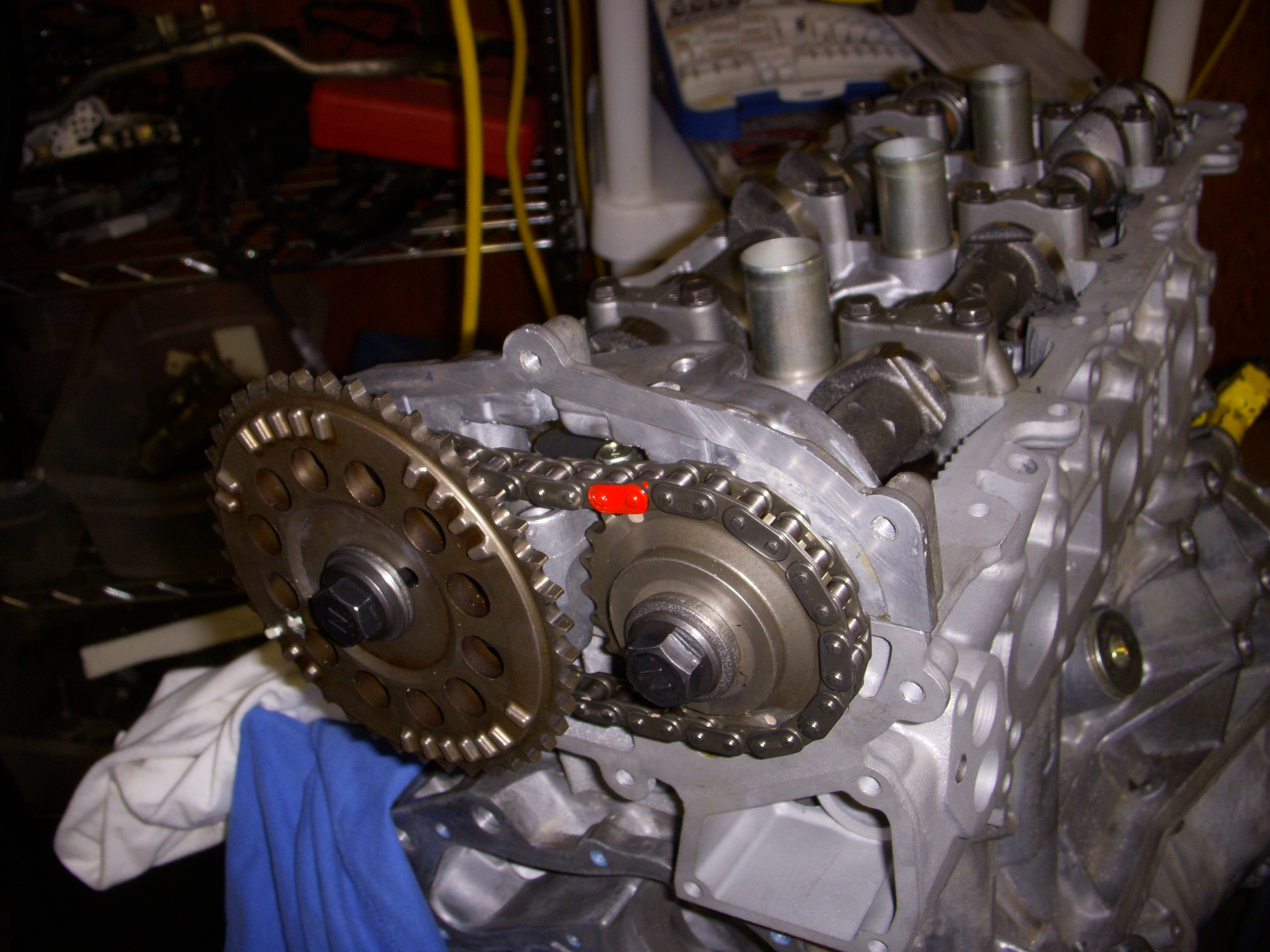
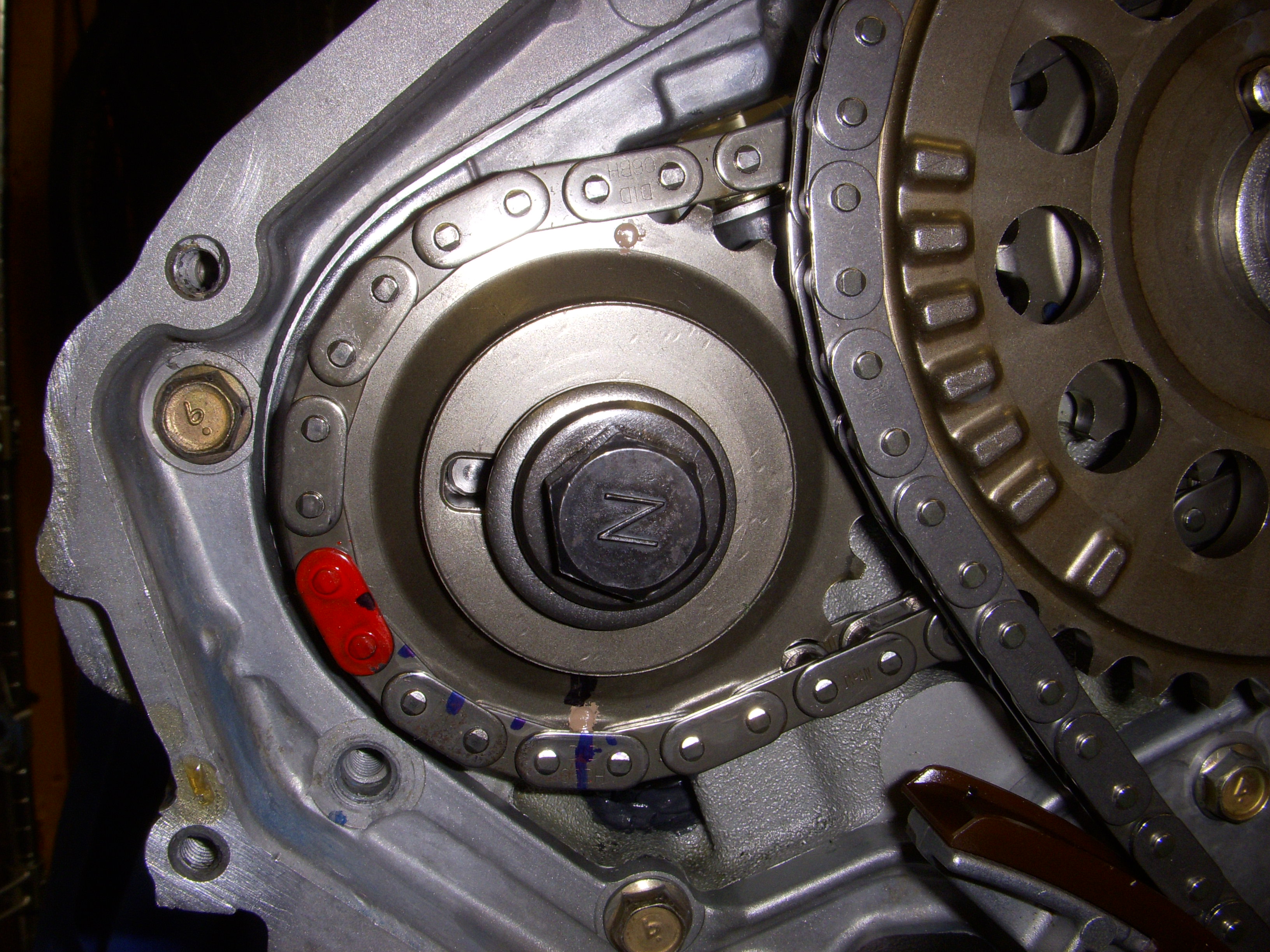
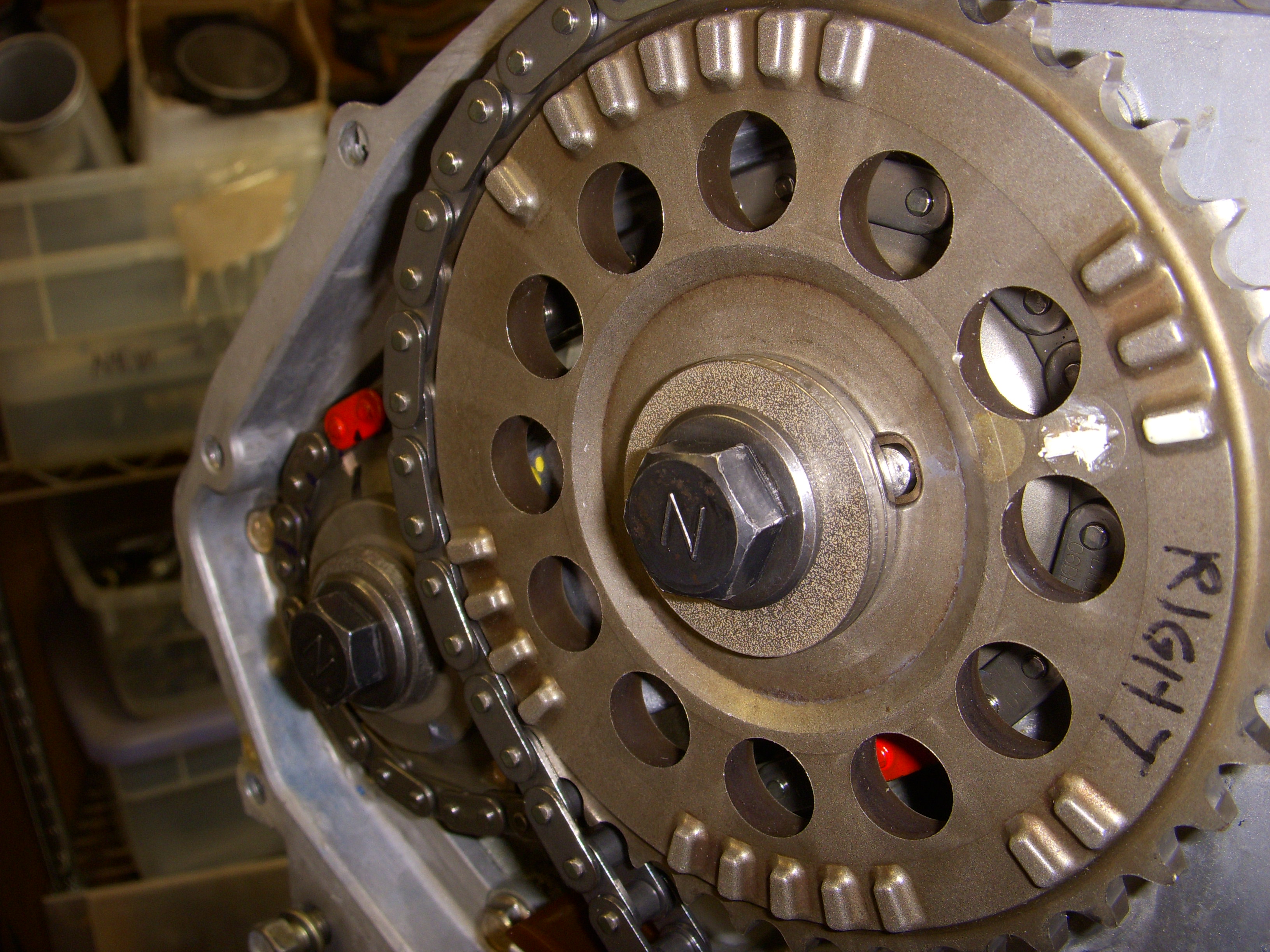
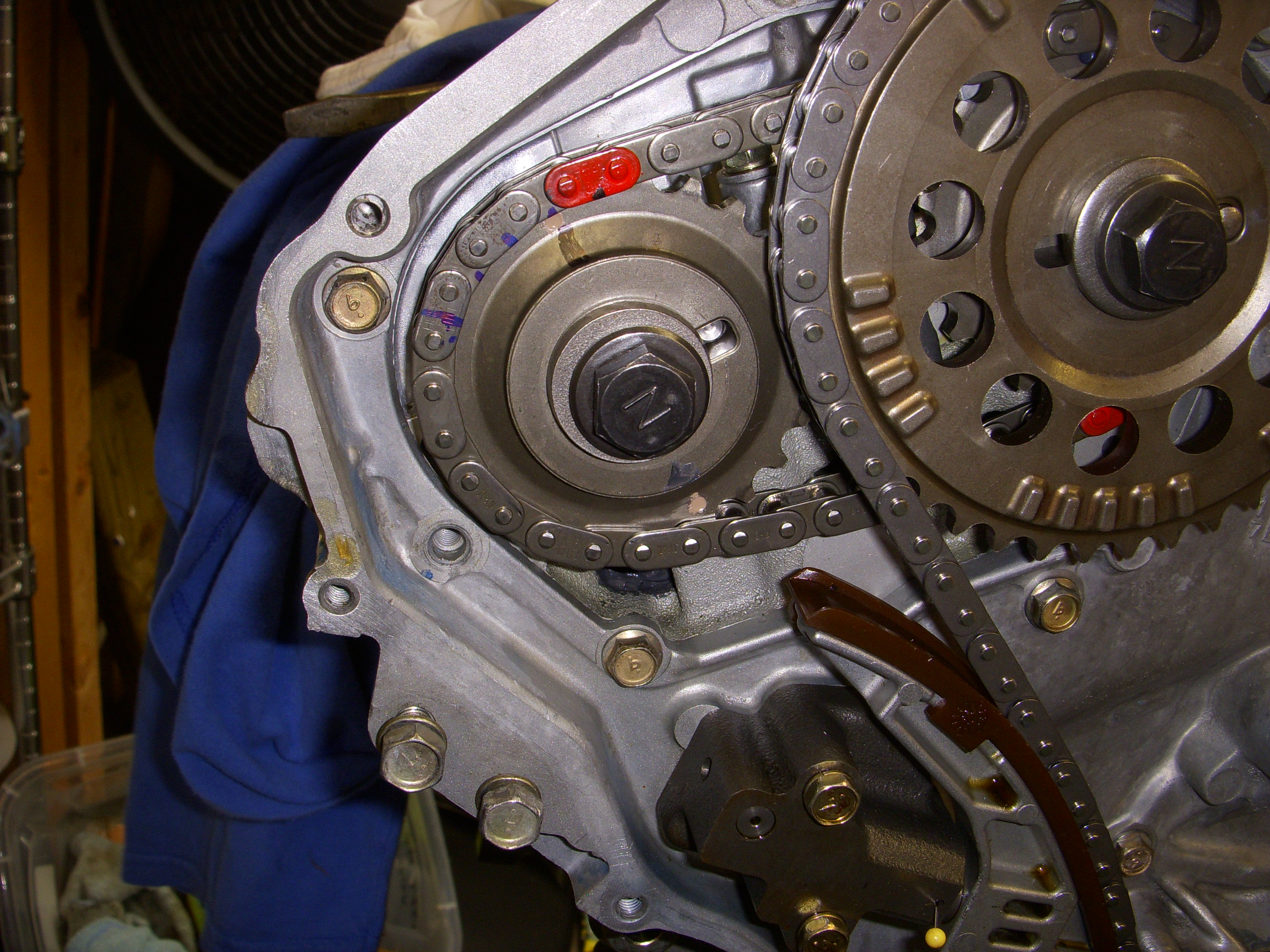
See the big washer on the large gear, under the "N" nut head? Notice that the pin is not held by the washer - either one could come out and shell the engine. Solution to follow...
I moved the exhaust gear around a tooth or two to see what happens - because the cam timing isn't perfect. It changed 15* for every tooth, but not useful at the moment.
Last edited by grey99max; Jan 16, 2017 at 03:44 PM.
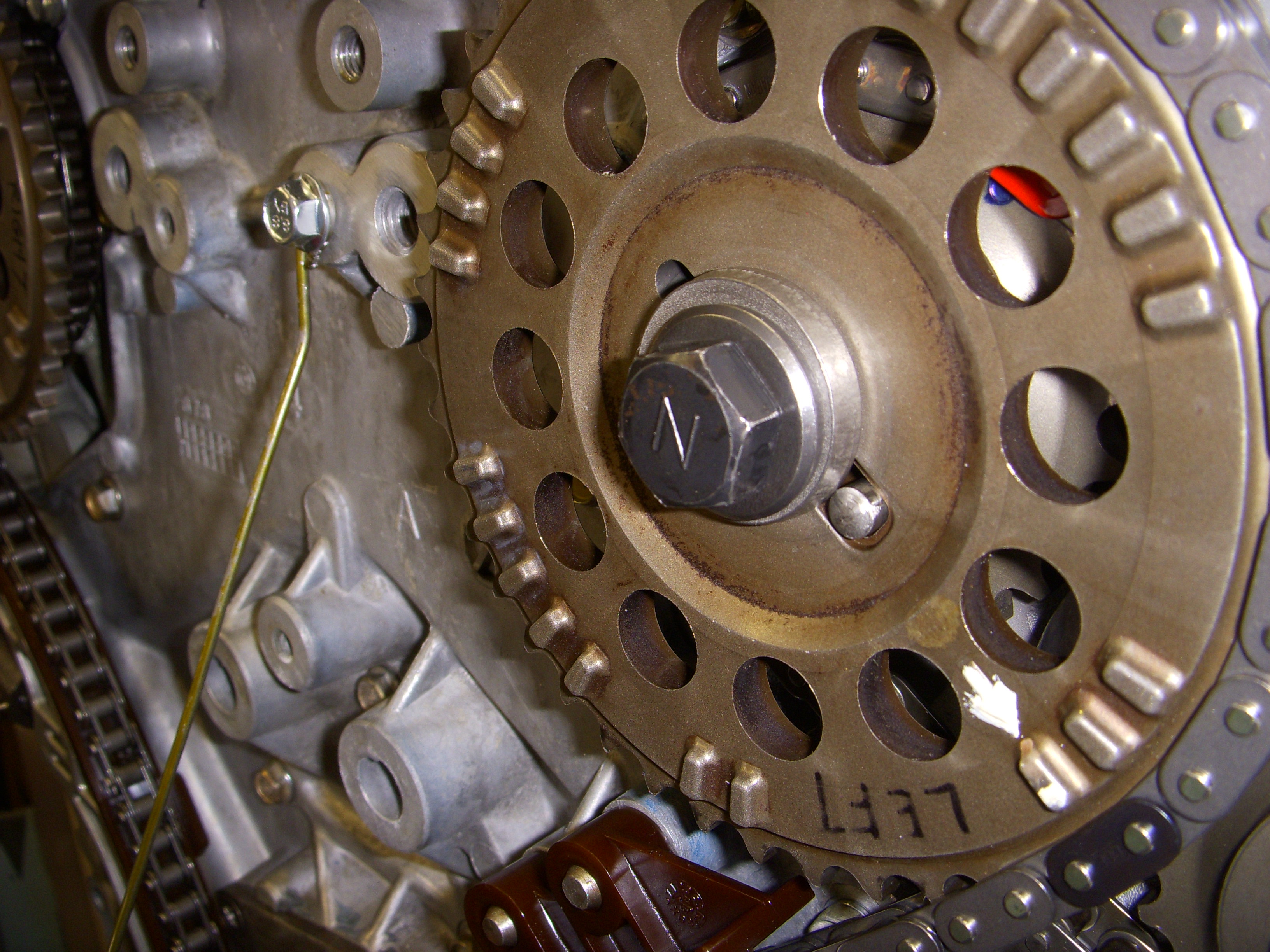
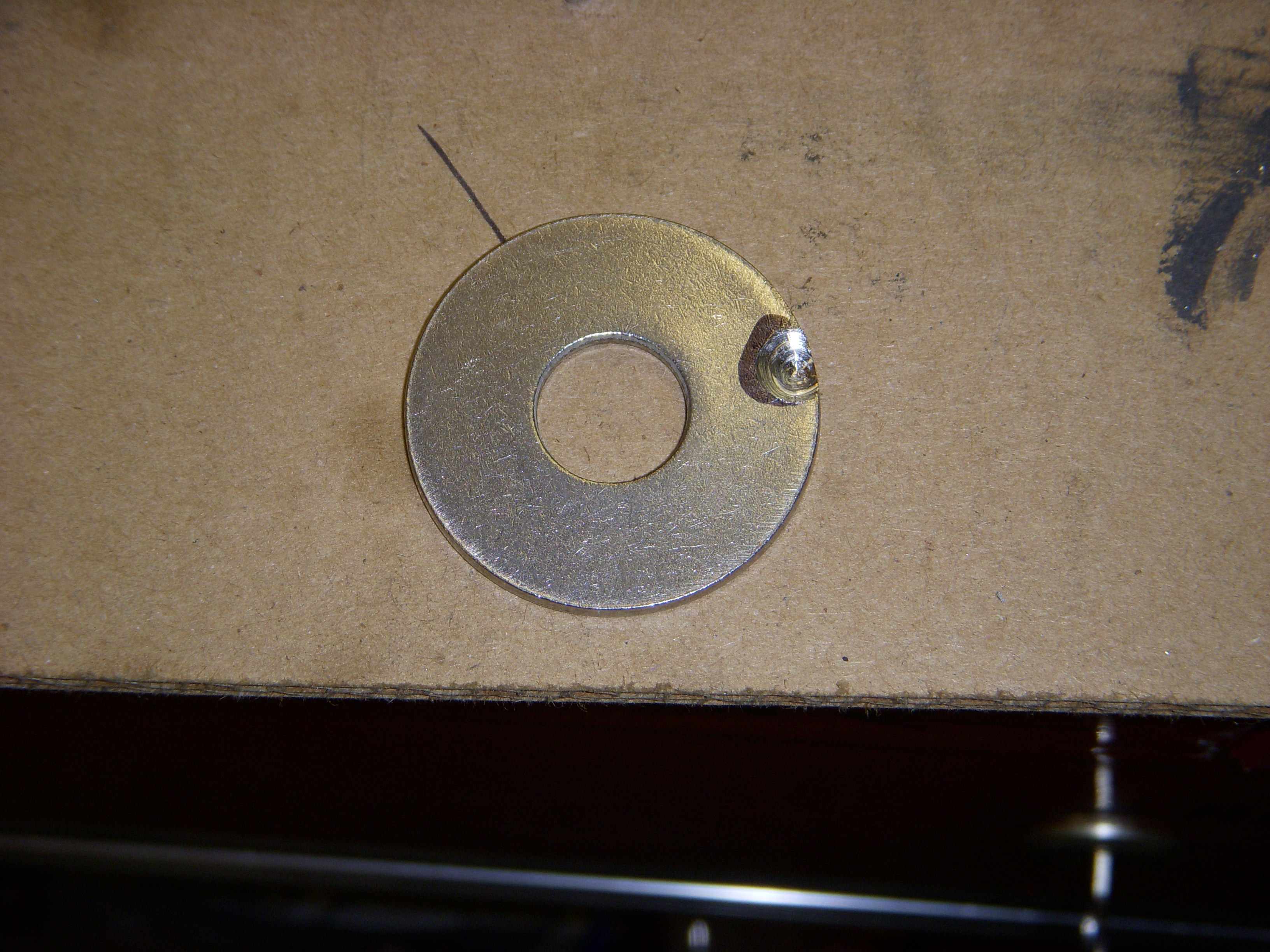
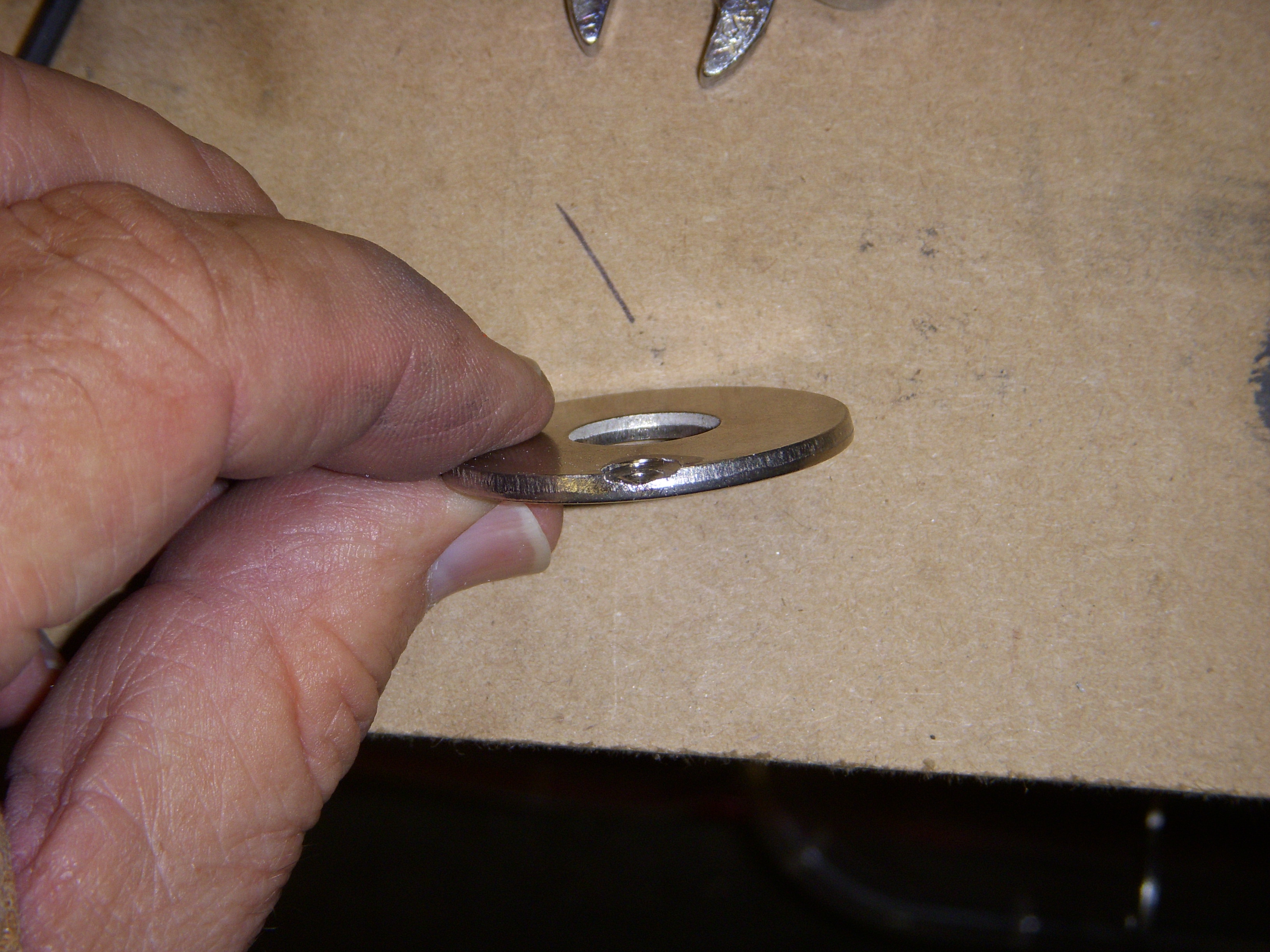
About the roller pins with a death wish - I found a 12mm "fender washer" that overlaps the end of the pin, and two stacked together are .1mm less than the thick washer they will replace.
BEFORE:
AFTER:
Actual cam timing numbers to follow - later ---
Last edited by grey99max; Jan 16, 2017 at 03:50 PM.
Some basics first - The JWT C11 intake and RZ1 exhaust cams were ground from new blanks and the 6mm cam pin holes were placed to copy the 3.0 design. I used a 30mm length 6mm rolled stainless pin in the intake cams, and left the original exhaust pins in place - they still needed lengthened.
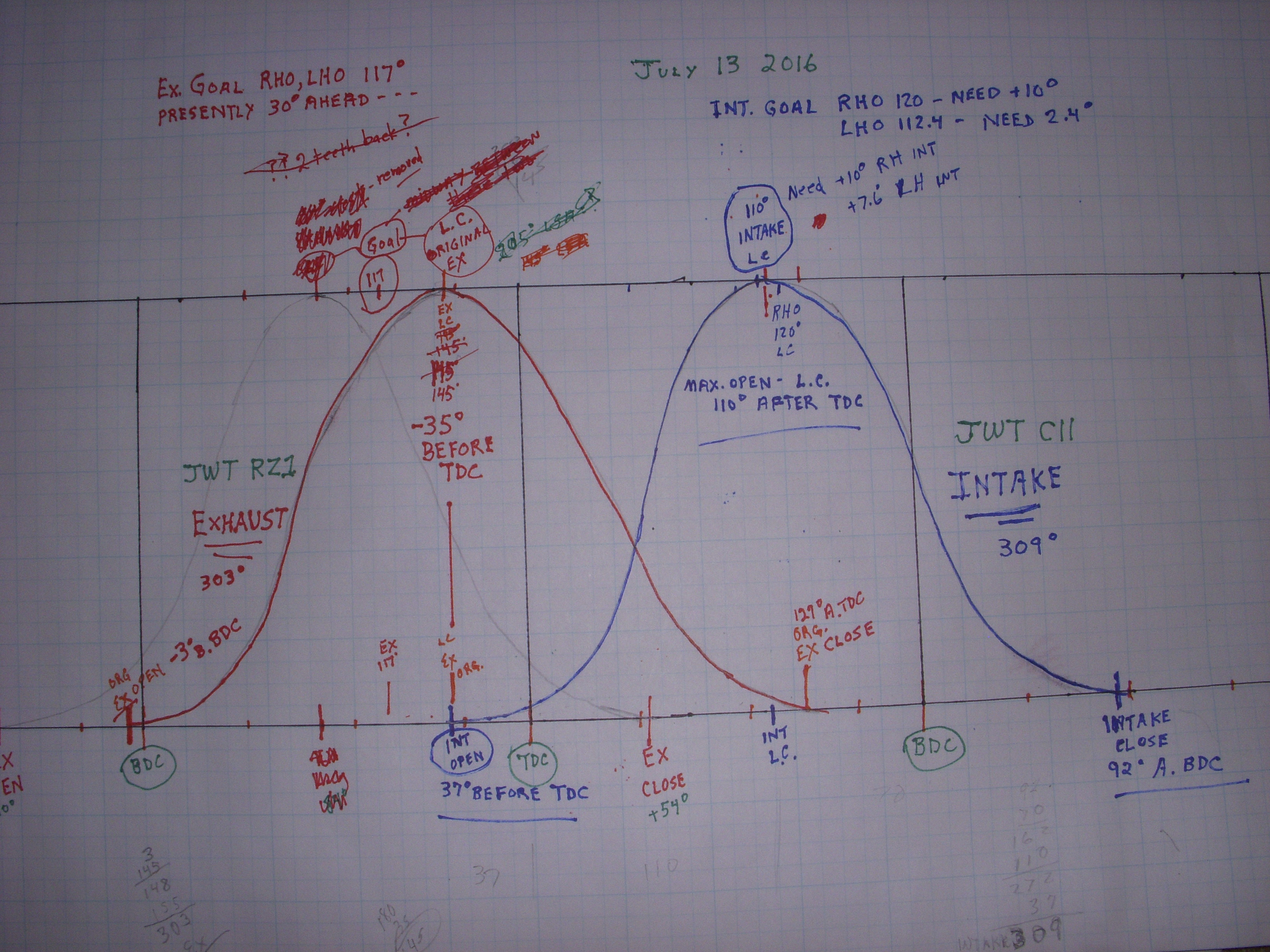
JWT wants the Exhaust lobe center to be set at 117*, and the RH intake lobe center and 120* and LH lobe center at 112.4*.
After assembling the gears and chains and cams on the front, and mounting the JEGS degree wheel then mounting the digital depth gage and stuff and then spinning everything round and round and keeping notes.
Quick summary: Exhaust lobe center is 145*, much more than 117*
Intake LH lobe is at 110* - didn't measure the right side yet
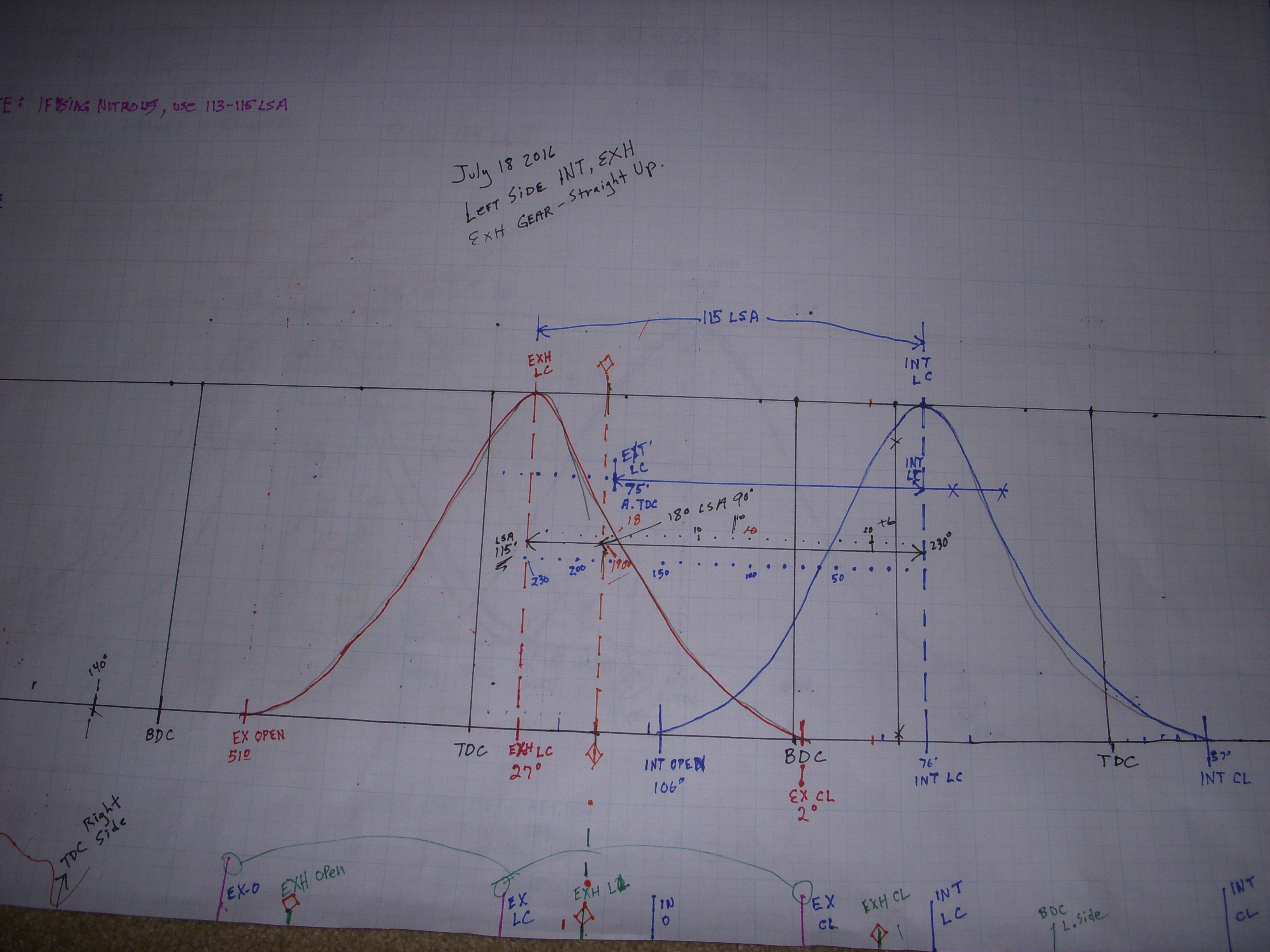
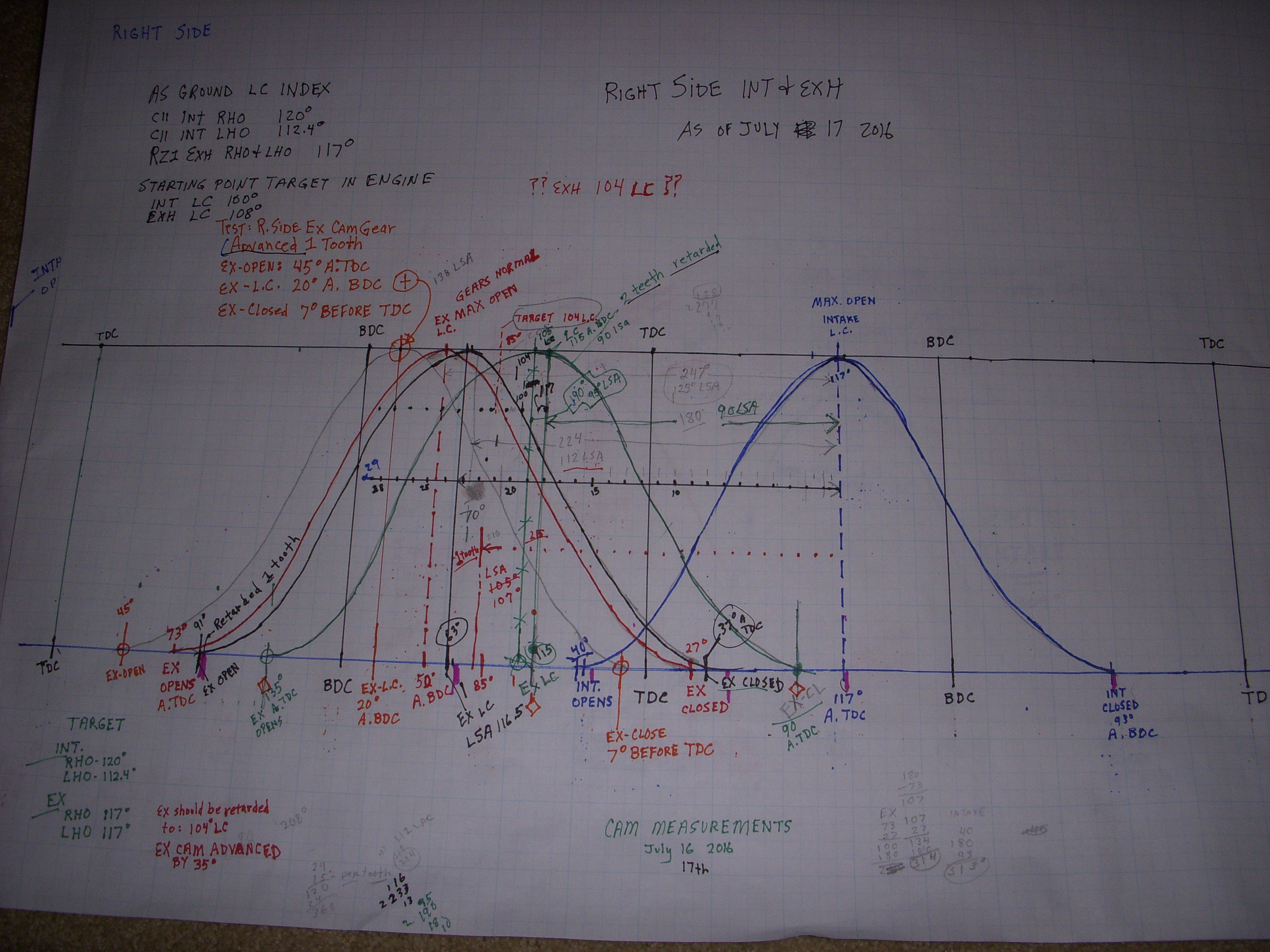
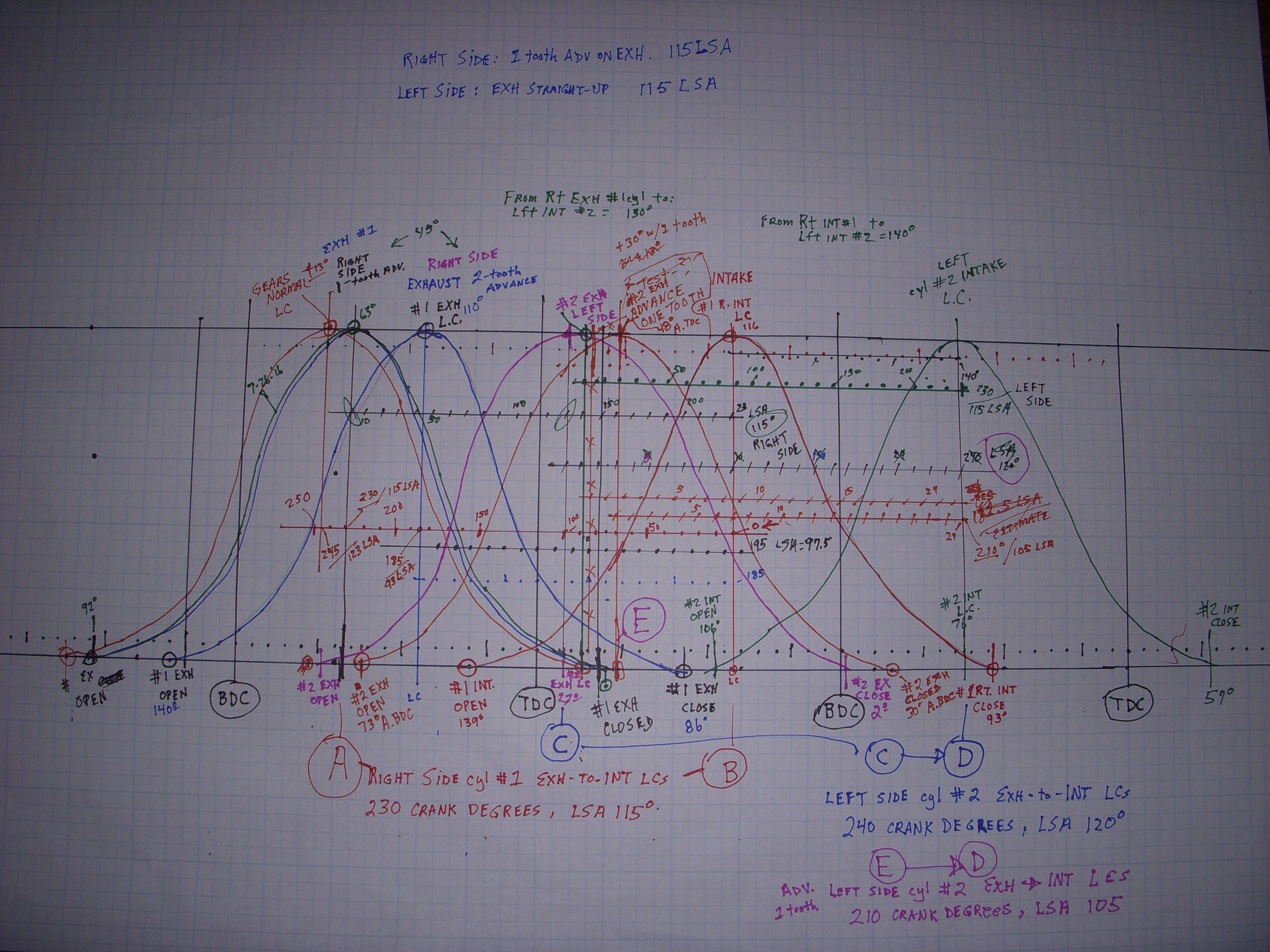
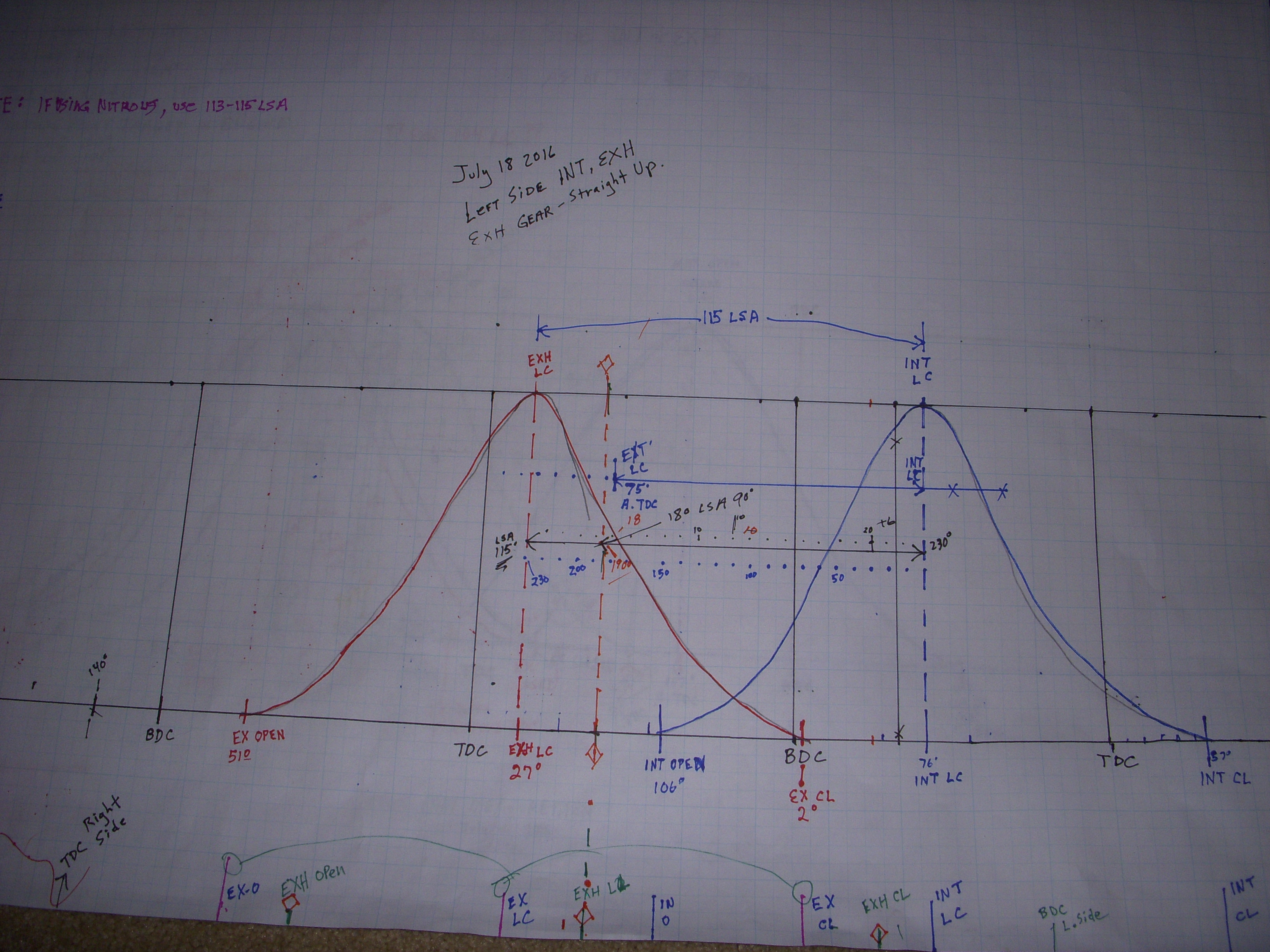
PIX of a manual graph with notes.
The exhaust gear has 24 teeth, with 15 degrees between teeth, so as an experiment I moved the cam back one tooth on the chain, put it back together and spun things again. This moved the lobe center back 60* so not a good idea. Put the gear back..
Notice the "N" bolts used on the HR cams - JWT says this is crucial to not breaking HR cams - that's why Nissan created those bolts - and JWT shipped them with the two washers to locate the bolt correctly - whatever that means.
Since there aren't any other adjustments, it's time to get creative.
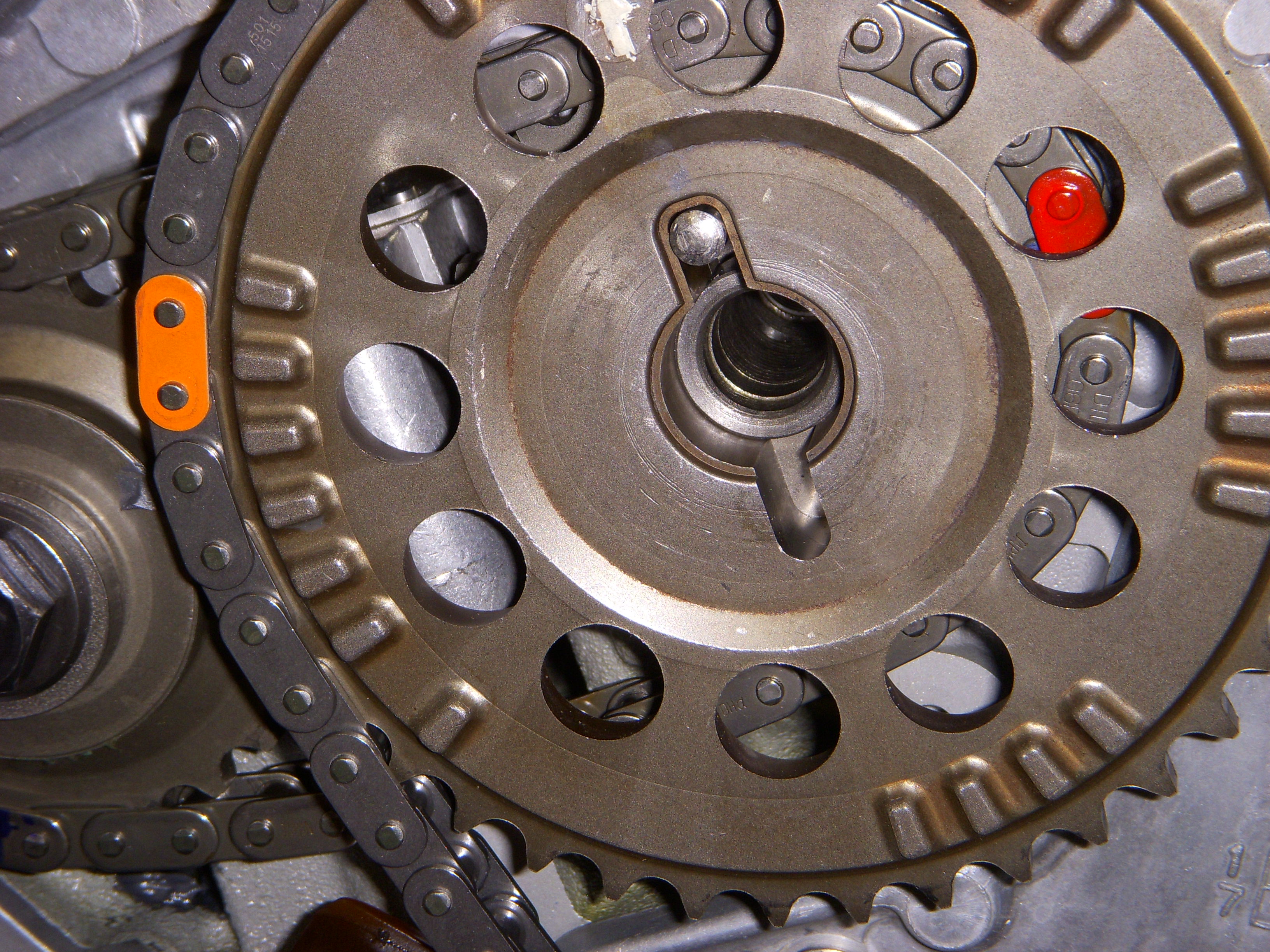
Since all cams are driven by their pins located in slots in gears, what if the slots could be modified to get the proper lobe center location? I think I'll have a conversation with my new favorite local machine shop - see if there is a way to move the slot over for intake and exhaust cams. Betcha it will be pretty simple - and exact. Besides I have spare gears....
Last edited by grey99max; Jan 16, 2017 at 03:53 PM.
That's a good way to move cam timing, all right. I had Stephenmax make me a set of timing gears for the Cosworth cams with slots that were 180* out from the original slots. There's a slot in the intake gear just above your post. I did not degree-map those cams until later, but later they were very close to 3.0 specs.
Like this gear:
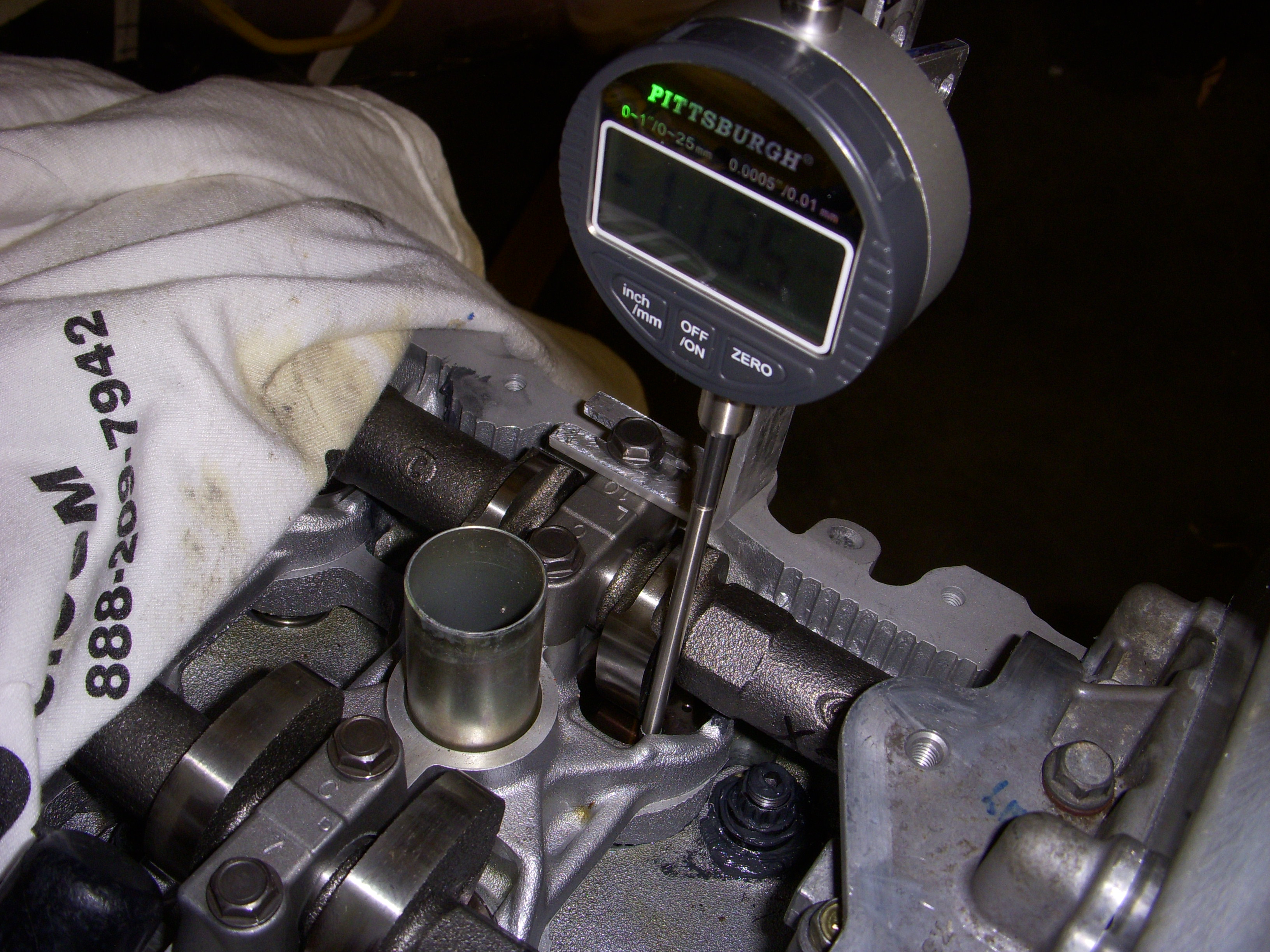
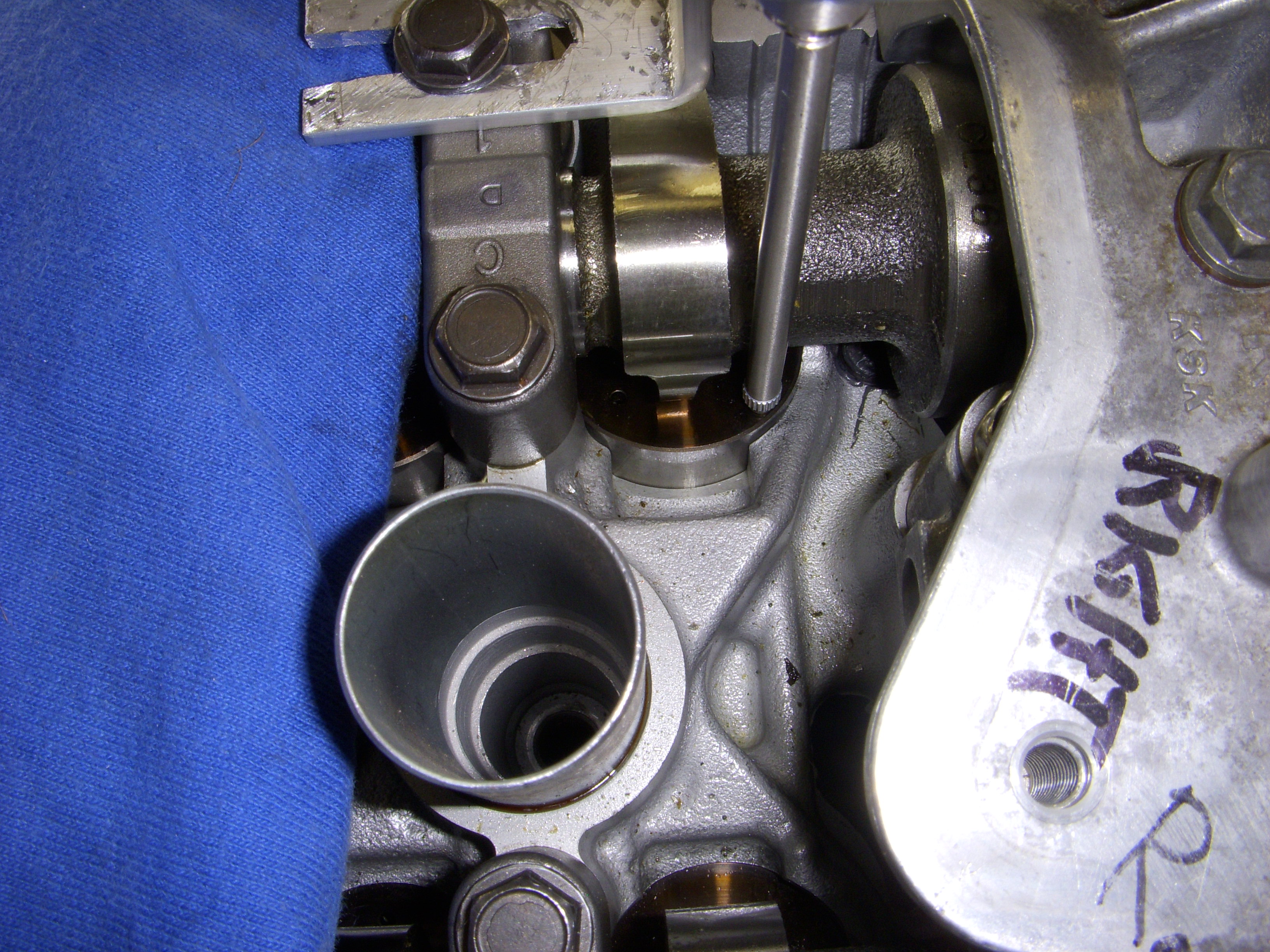
Degree depth gauge setup for the right intake bank:
Another demo for right side for intake:
Last edited by grey99max; Jan 16, 2017 at 03:59 PM.
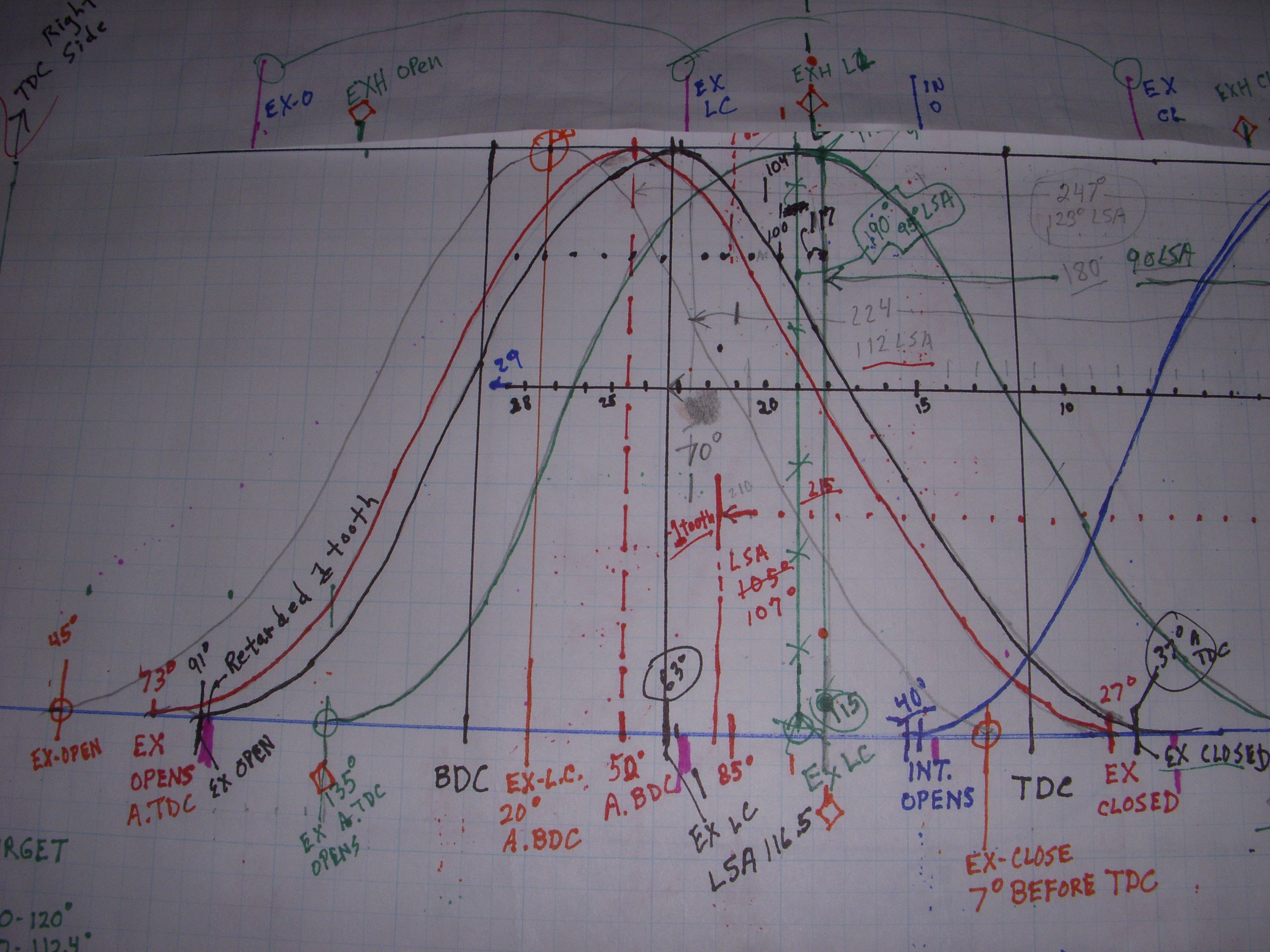
Right side cam timings - with a couple of tweaks to the exhaust cam tooth positions.
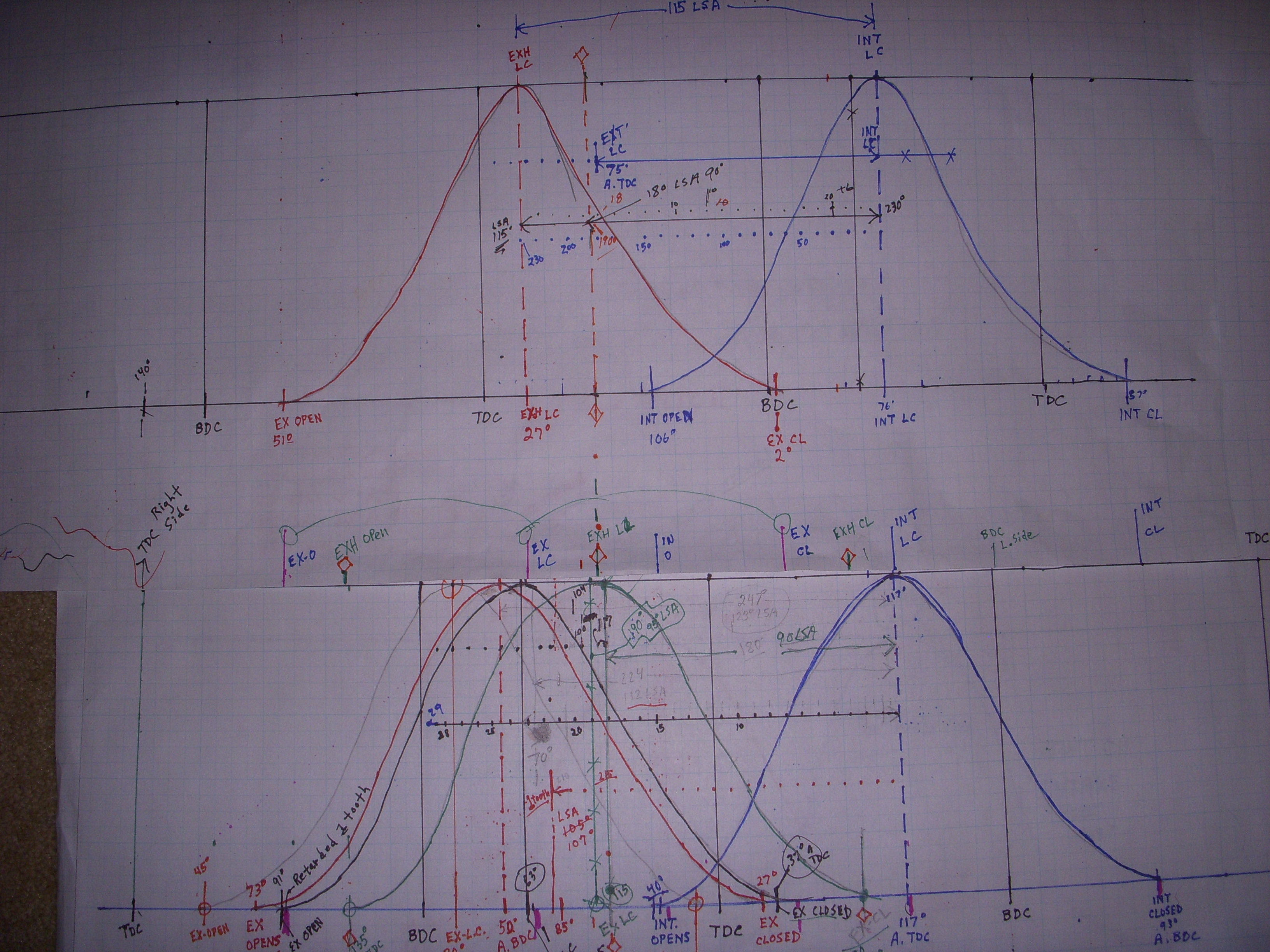
Left and Right cam timing charts:
Actually, I've been researching cam timings for nitrous, and these cams look good for that with a 114*-115* LSA and the "stock" timings for intake and exhaust. Weather has been WAY too hot the last few days to work in the garage - and hotter (100*+) for the next few days. Plus I get to play with skinny Sharpies with pretty colors!
More to follow, I'm sure. I really want to get this right.
Last edited by grey99max; Jan 16, 2017 at 04:03 PM.
EDIT: woah, your in Topeka, that's not toooo far from me.
Guess you missed the part about JWT clearanced 2012 FX35 HR heads, JWT C11 intake and RZ1 exhaust cams drilled to VQ30 patterns, going on my bored and aligned 2005 VQ35DE block with a Brian Crower balanced stroker rods and piston package with other goodies, like two stages of direct port nitrous throttle-controlled.... My 99 Land Shark Maxima is sitting on its trailer in a storage yard waiting for me to get the engine finished and re-installed. Getting closer.... (Oh, yeah - runs on E85 too)
So where are you? Coming to Topeka for a OOOhhh and AAAAwhh visit ?
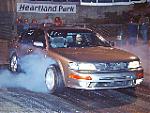
I'm in the far lane, from a couple of years ago, having my way with that Mustang.
Not too far from KC MO. Is this the Topeka track that used to be in disrepair and closed down? I haven't read too far, time is limited.
Yup, Heartland went thru hard times with an incompetent owner and mostly closed down - except for always hosting the NHRA Nationals, like this year. Another group based in KC bought it and put it back in shape - they just added a hella autocross track.
I mostly have a handle on cam timings - the lobe centers are close, and LSA is 115* which is great for nitrous. That LSA will prevent flow-inversion and reduce chances of pushing an exhaust flame-front into the cylinder while it's on the intake stroke and making explosions in the intake manifold - my last engine did that if i sprayed below 4500 RPMS, which made exciting flames at night and blew MAFs.
Also I want to consider Ferrea +1 mm valves in these heads. There are reasons pro and con, but new GTR heads have been re-valved with larger valves. Dunno yet...
This looks like a 5th gen vq but, brand fx35 infinity heads? hows that work bolt up or special machine work? what kind of exhaust is need to fit the ports a custom or are they just update maxima heads? same question for the intake?how many liters is it now? also is the 2005 vq the same as the 5th gen or is it just really similar looking?
This looks like a 5th gen vq but, brand fx35 infinity heads? hows that work bolt up or special machine work? what kind of exhaust is need to fit the ports a custom or are they just update maxima heads? same question for the intake?how many liters is it now? also is the 2005 vq the same as the 5th gen or is it just really similar looking?
what are these pros and cons for larger valves?
I don't pay much attention to what "gen" a car is (5th gen is 2000-01 3L and 5.5gen is 2002-2003 3.5L), because Nissan/Infinity spread their mechanical parts through all their models. Engines, engine parts, transmissions, suspension, body parts are all found in many different models and many are interchangeable. FWD and RWD models have the most differences, I think. "VQ" is part of the engine designation. VQ35DE and VQ35HR and VQ37HR are examples.
The HR (High Revolution) engine showed up somewhere around 2007 in the 350Z RevUp model and spread thru most RWD models. The HR block is different than the VQ in many ways, but many parts fit on the VQ35 block, like the cylinder heads from the Infiniti FX-35 or VQ35HR or several others.
The HR head has superior breathing to the ported DE head, but the exhaust ports have the same openings and configuration and will bolt up to my custom 4th gen headers, as well as the VQ30 and VQ35 heads. Allee same-same ports.
For example, the 2005 VQ35DE block I'm using has a RevUp oil pump, the balanced BC stroker crank, rods and pistons for 3.8L, the HR heads and JWT cams, (intake still undecided) Megasquirt MS3-Pro ECU, E85 complete fuel system, a clearanced oil pan, ARP head and mains studs, and a lot of misc parts... the transmission is from a 2006 2.5L Altima with 2001 Maxima bellhousing, locked differential, and fully race-built by IPT in New Jersey, and my custom MSD-controlled shifter. That thing is a beast.
I spent yesterday making cam measurements on the #2 cylinder, left bank. Needed to make sure I had the lobe centers in a good place and that LSA was good on both right and left banks.
Anyone installing cams NEEDS a degree wheel.
First, a photo of all measurements for both banks. The intake measurements show the lobe center -LC- and opening and closing points for each cam. The exhaust measurements were more complex because the right bank cam LC was not where I expected, so I advanced the exhaust cam by one tooth and I got what I expected. The left exhaust cam was fine with the gear in home position. This situation caused me to make several changes to right EXH gear position, but results were repeatable. This photo has way too much stuff to easily recognize, but notes are everywhere on it. The right exhaust cam has one lobe showing the EXH gear retarded one tooth, one where the gear is in the standard position, and one with the gear advanced two teeth - because -. The left EXH cam has one lobe showing the stock position and one lobe with the EXH gear advanced one tooth. Both intake cam lobes appear once in the photo, along with degree markers for OPEN, LC, and CLOSE.
It's possible the right exhaust cam was drilled wrong, so dunno, but now both banks have a 115* LSA (lobe separation angle)
This is how you measure cam lift - with a long skinny probe.
Left EXH cam gear in standard position.
Left EXH cam gear advanced one tooth.
Right EXH cam gear advanced two teeth.
Right EXH cam gear advanced one tooth.
Left bank, EXH gear stock position, graph for INT and EXH timings.
My "universal" mount for degreeing intake and exhaust cams on both banks.
More things to do now:
decide on stock or larger INT/EXH valves
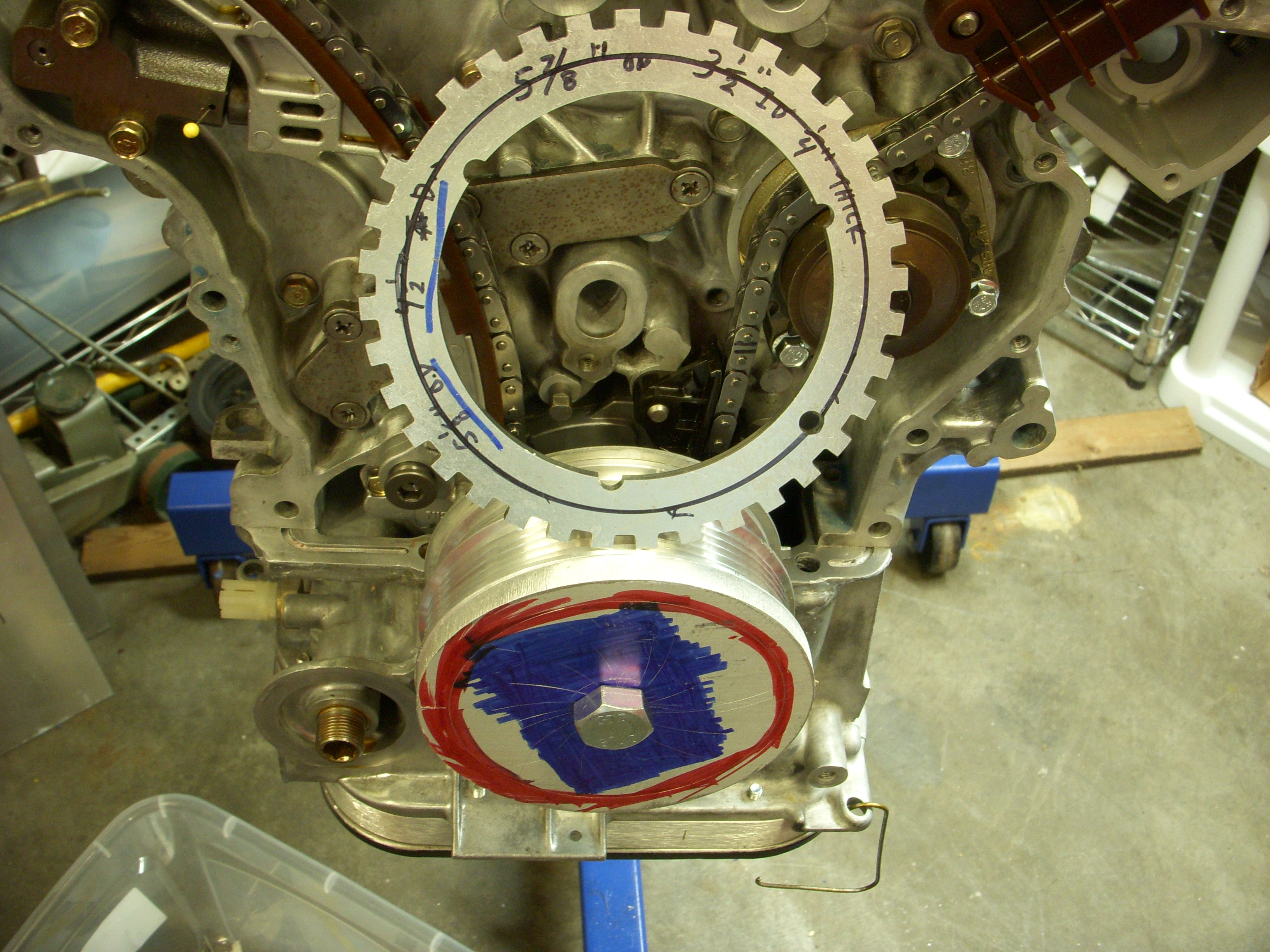
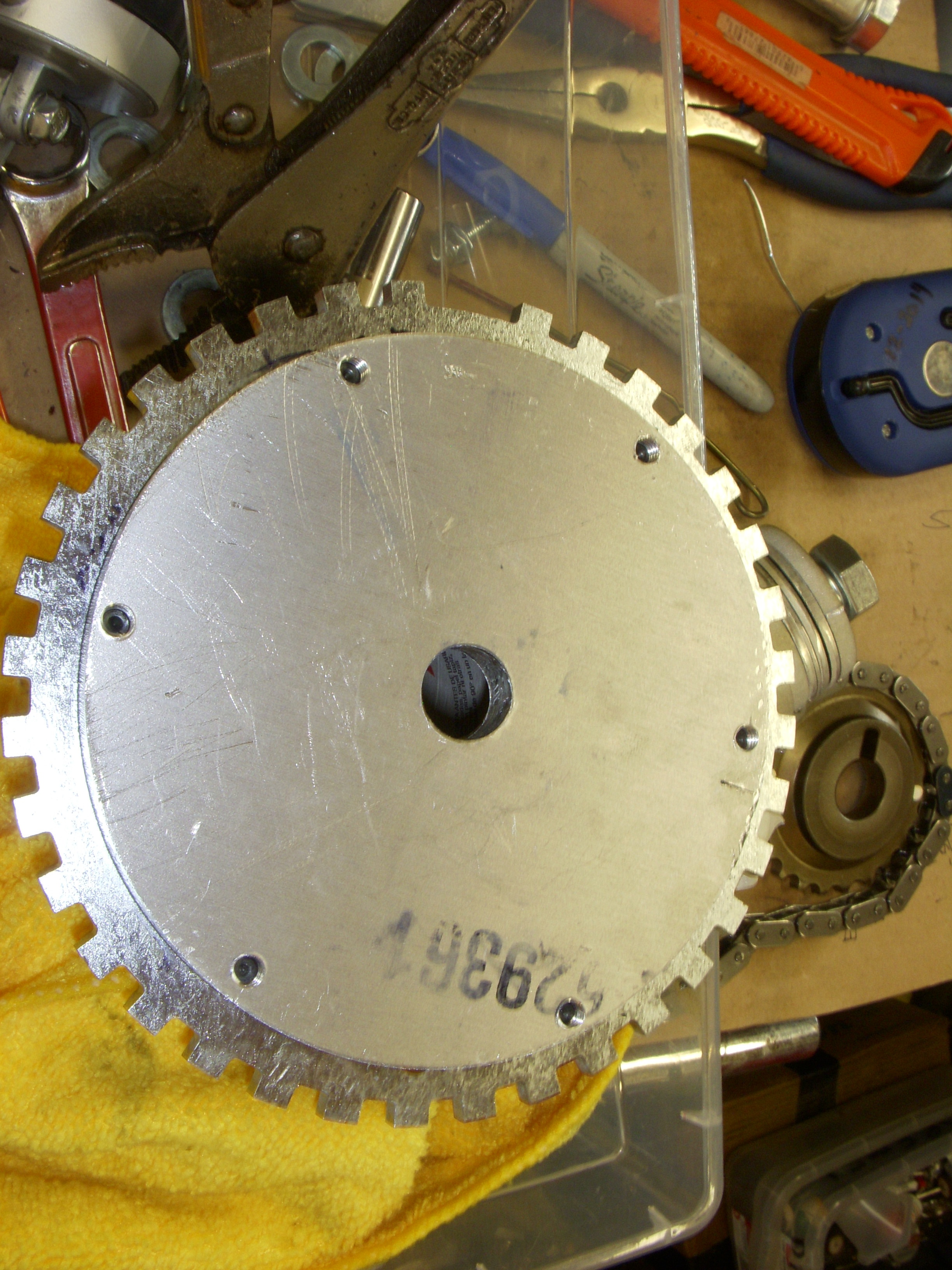
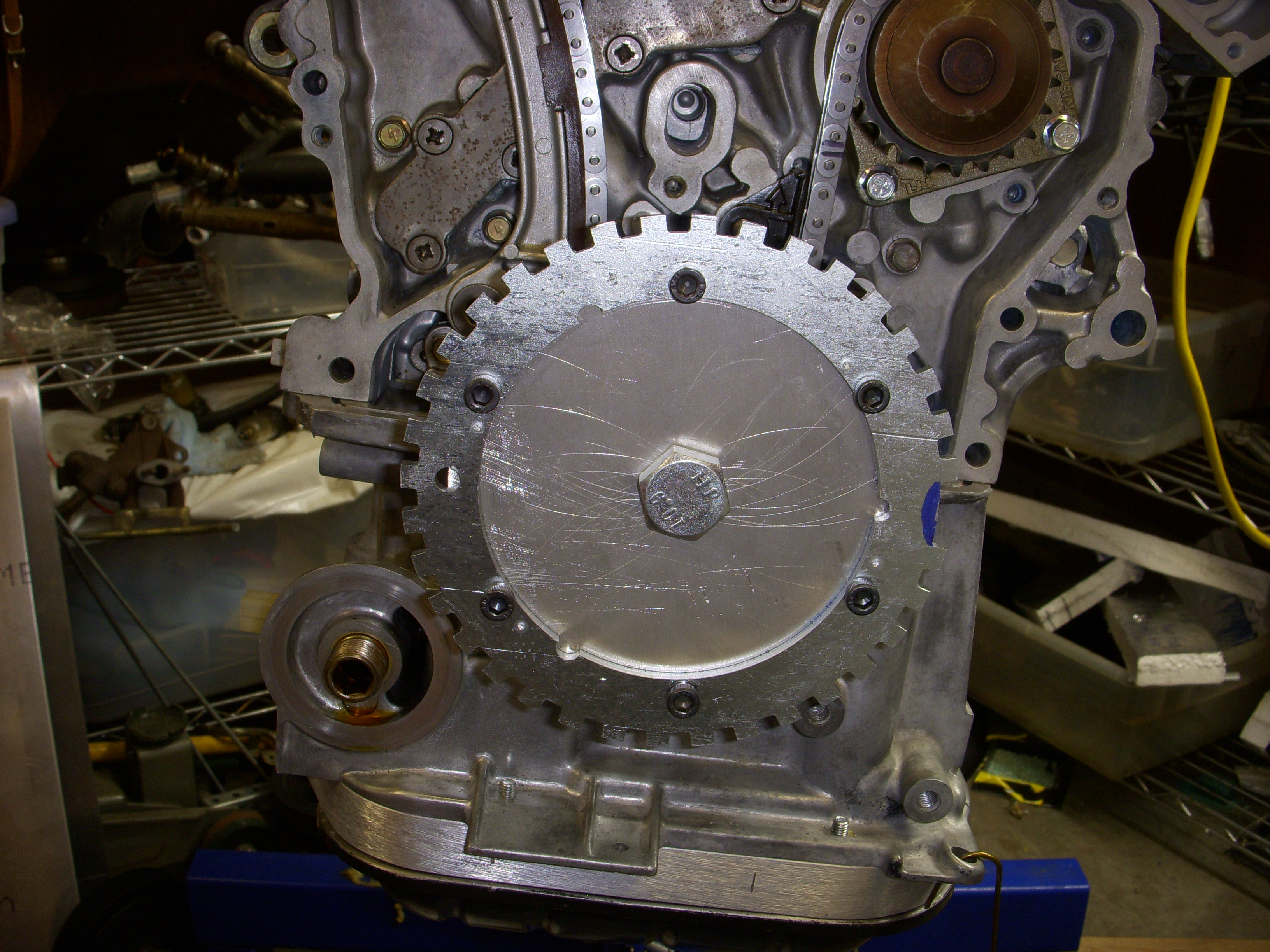
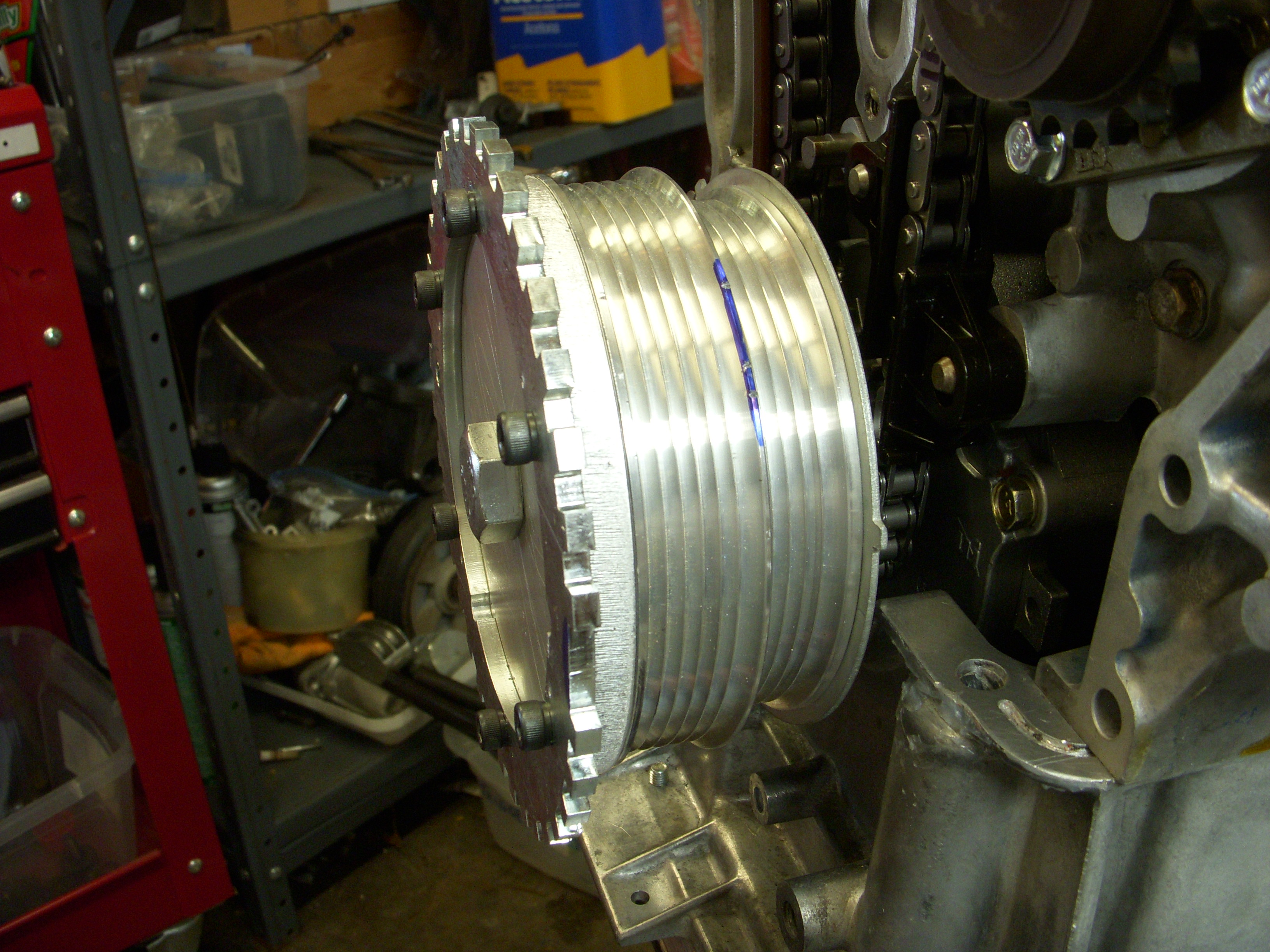
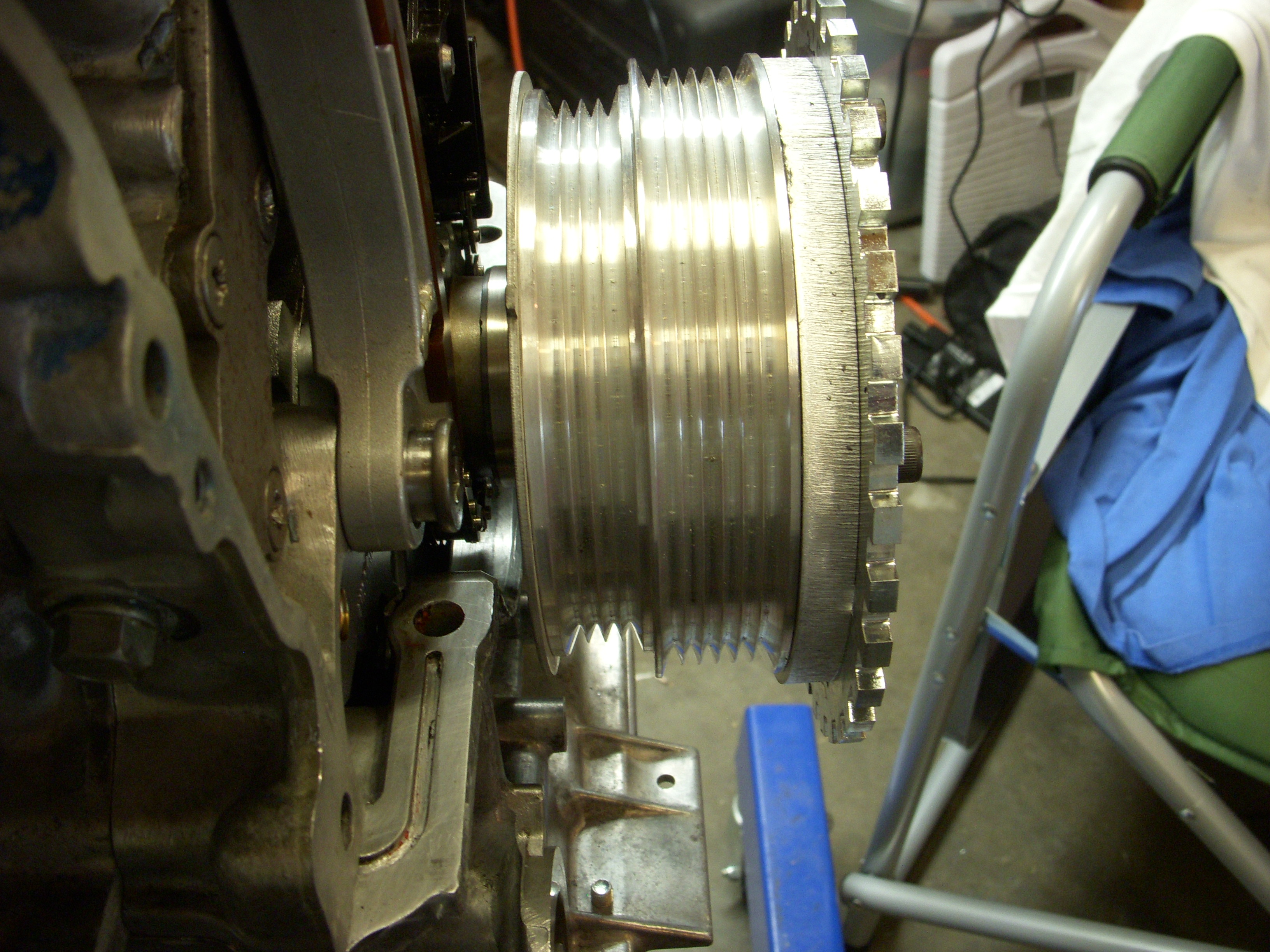
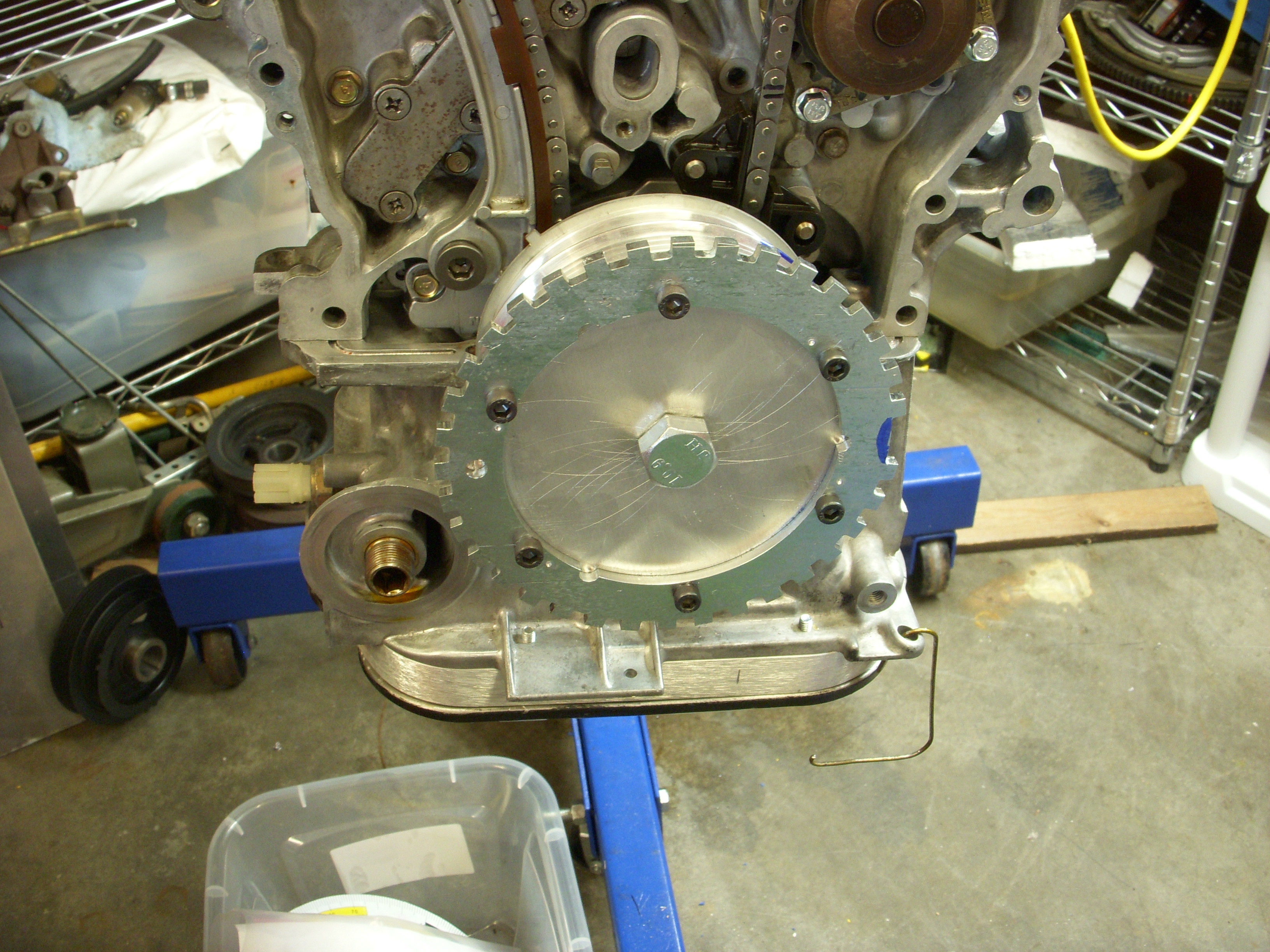
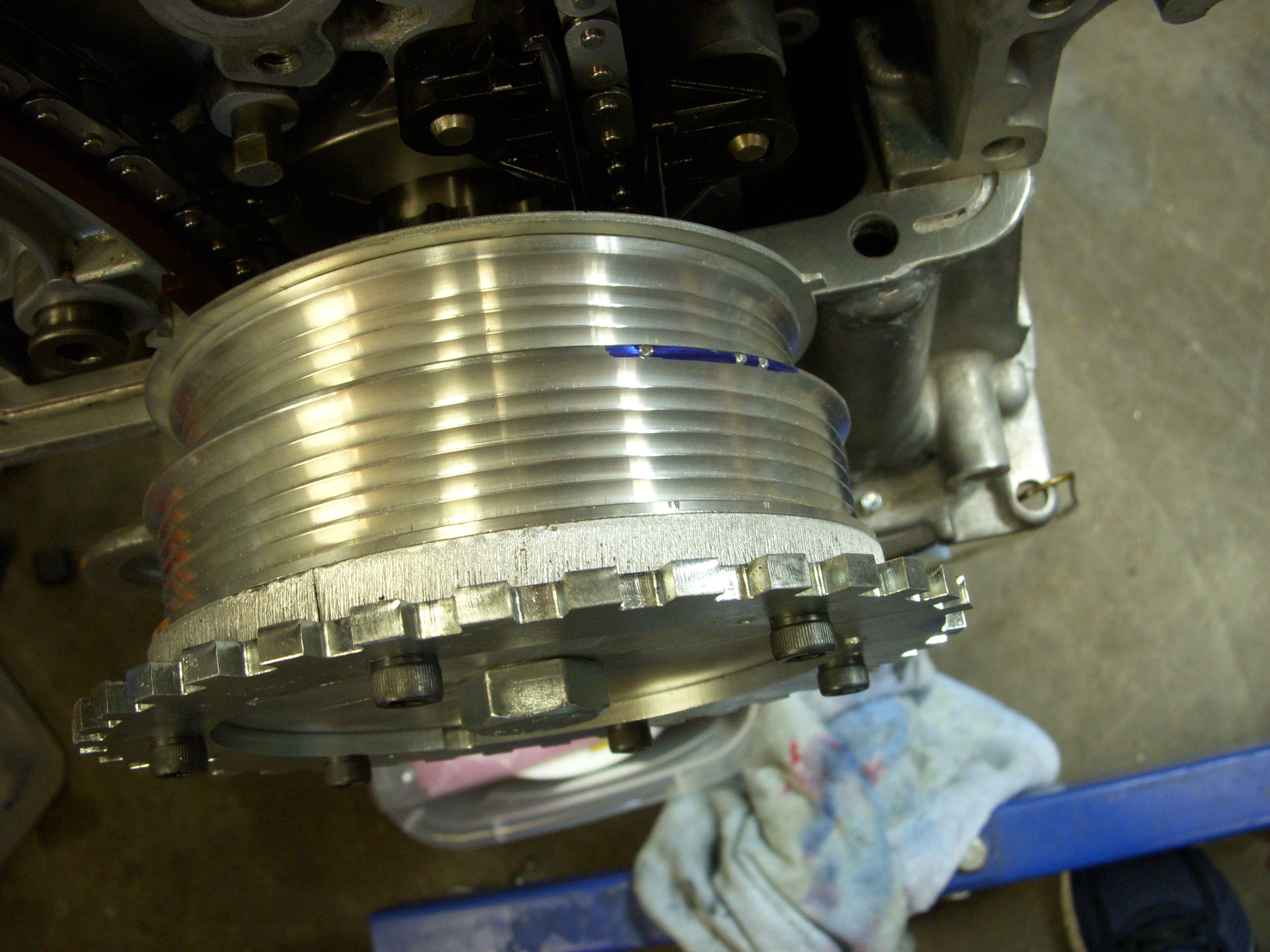
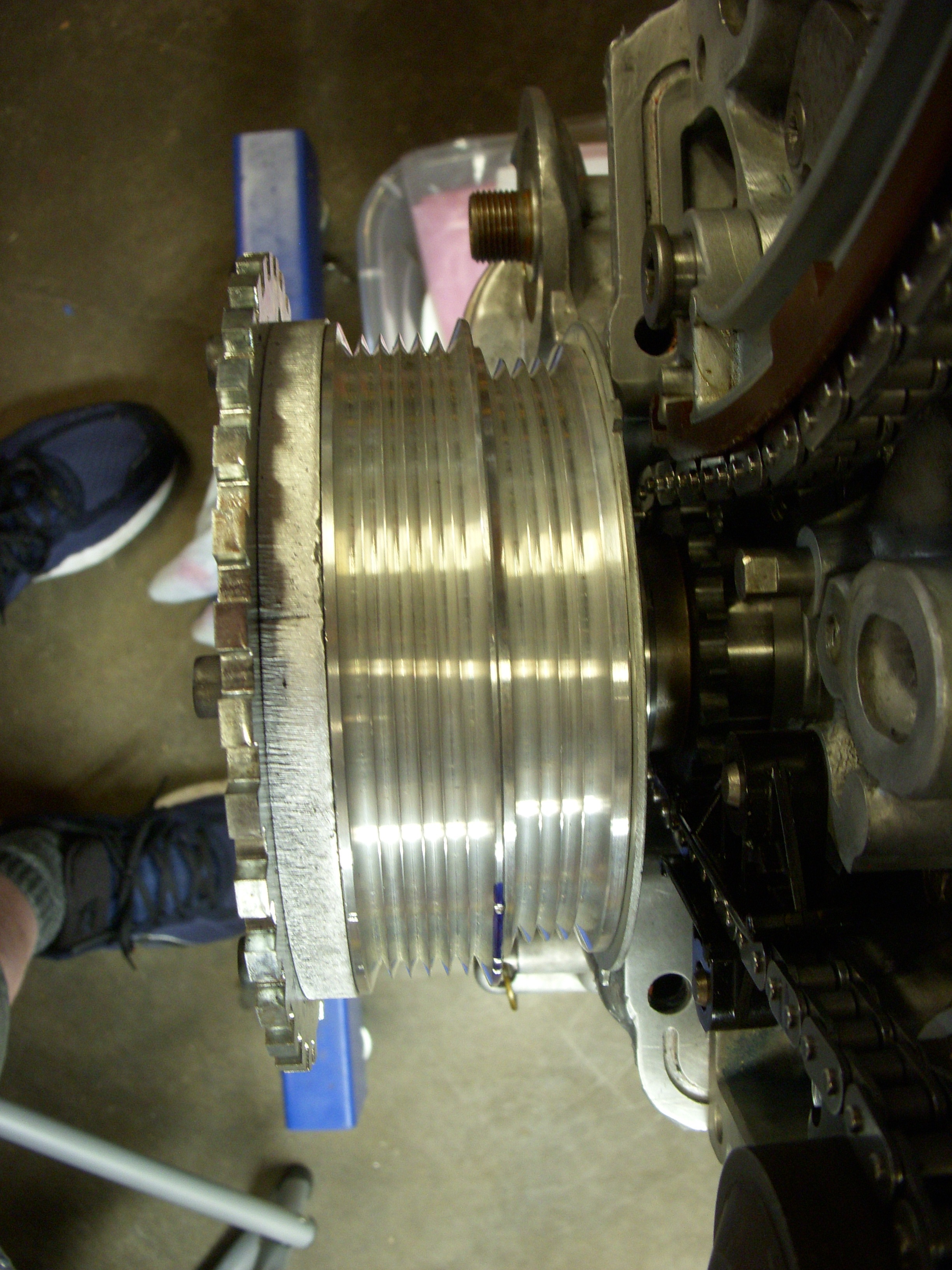
build the alloy damper pulley with 36-1 gear attached, with spacers
Decide on which tooth on the intake cam rear teeth to use for MEGAsquirt MS3-Pro - grind off the rest.
Last edited by grey99max; Jan 16, 2017 at 04:19 PM.
I'm shooting for 7300. Figured high revving under boost it should be built to handle more. As for the hr heads, this is how it was explained to me...the 3.0L is designed for 3.0L heads = quench area provides best spark propagation/fuel combustion inside the cylinder...
So I'll be keeping the 3.0 head... but someone... should try to drop 3.5 internals in a 3.0 with hr heads and intake for kicks n giggles...
I remembered this Nissan HR engine comment from GM News:
" Unlike the VQ35DE, which had an open quenchless combustion chamber, the VQ35HR has a pentroof chamber with quench pads on either side of the intake and exhaust valves, much like the older VQ30DE had. This is presumably where the increase in compression ratio came from and should also result in better combustion and less detonation due to higher mixture turbulence and more homogeneousness of the fuel air mixture as the piston hits TDC on the compression stroke. There are rumors that the HR has larger valves but we cannot confirm this.
A big improvement over the VQ35DE, the VQ35HR has a combustion chamber that has two quench pads per cylinder for improved combustion and detonation resistance. "
" I have some work getting done to the intake manifold, as well as the head. Seems just cleaning them up a bunch with a multi angle setup works. They really dont need to be opened up too much, valve springs retainers and springs. Depends on your power goals, i will let you know what is fully done with mine but 1mm oversized valves doesnt seem to do much of an improvement.. Was tested on HR heads from the 370 and they really didnt improve flow overall too much. it was only like 5cfm difference in flow testing from what i've been told."
2009 GT-R Gunmetal Premium
Boost Logic 4.1L Stroker Block
Headgames Fully Built / Ported heads with Kelford B-Series Cams
Boost Logic Turbo Kit (Twin Precisions 5858 CEA .82 A/R Billet DBB Turbos, Wastegates vented to atmosphere)
AAM Tripple Intank E-85 Fuel System
Cobb ECU (Tuned by Sean Ivey @ IveyTune)
Stillen Sway Bars
KW Varient 3 Coil Overs
Boost Logic FMIC With Wrinkle Black - Hard Piping & Tial BOV's
Wingless
Volk TE37-SL 315R NT05R AND 305F NT555R
Shep Stage 2.5 Transmission
T1 Transmission Brace
1104 whp / 950 trq - E85 (Tuned By Sean Ivey @ IveyTune)
Last edited by grey99max; Jan 16, 2017 at 04:21 PM.
Nice didn't even know all those parts had the same bolt patterns, makes wonder all i can do my VQ30DE-K. I know I can make it a 3.3L among other mods and blue printing.
Nice didn't even know all those parts had the same bolt patterns, makes wonder all i can do my VQ30DE-K. I know I can make it a 3.3L among other mods and blue printing.
Don't spend any serious $$ on a 3.0 - install a 2005+ 3.5 with JWT S1 cams - spray a little nitrous, and be in the 12s. Did that. Zooommmm..... and you'll spend less money. Check with Fakie in Olathe - I think he's still got a max w/3.5.
Nissan has an amazing number of interchangeable parts that most people don't know about - except for the real gurus on this forum (not me - I'm still looking). The same 4 spd automatic transmission (4AT) is found in Nissan Maximas from 1995 thru 2004 and in the Altima thru 2006. The VQ35DE came out in 2002 and it's still being made for Nissans and Infiniti and probably other stuff. Most parts and cars/trucks are made in Tennessee now - my 2012 Frontier is all 'Murican.
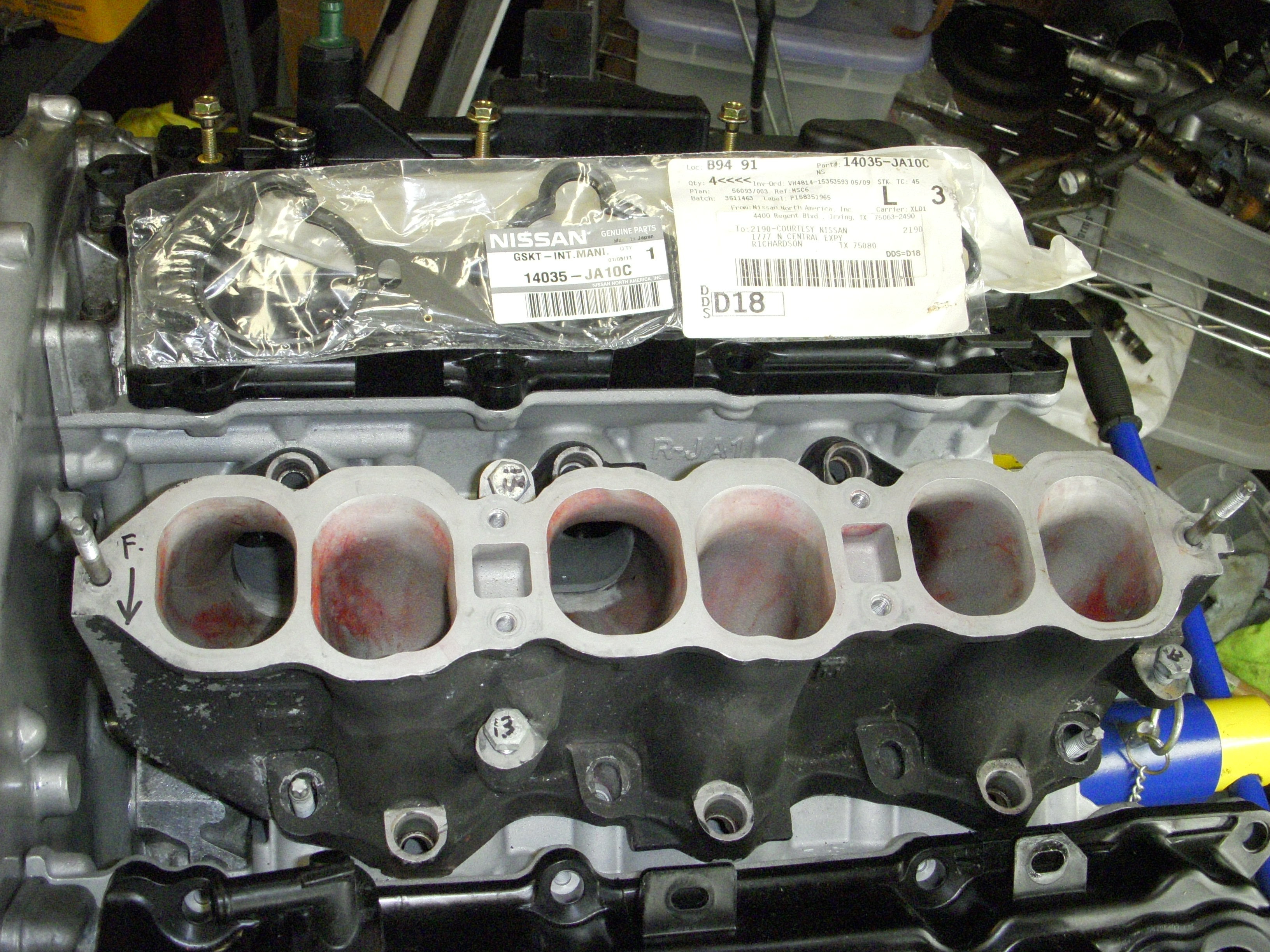
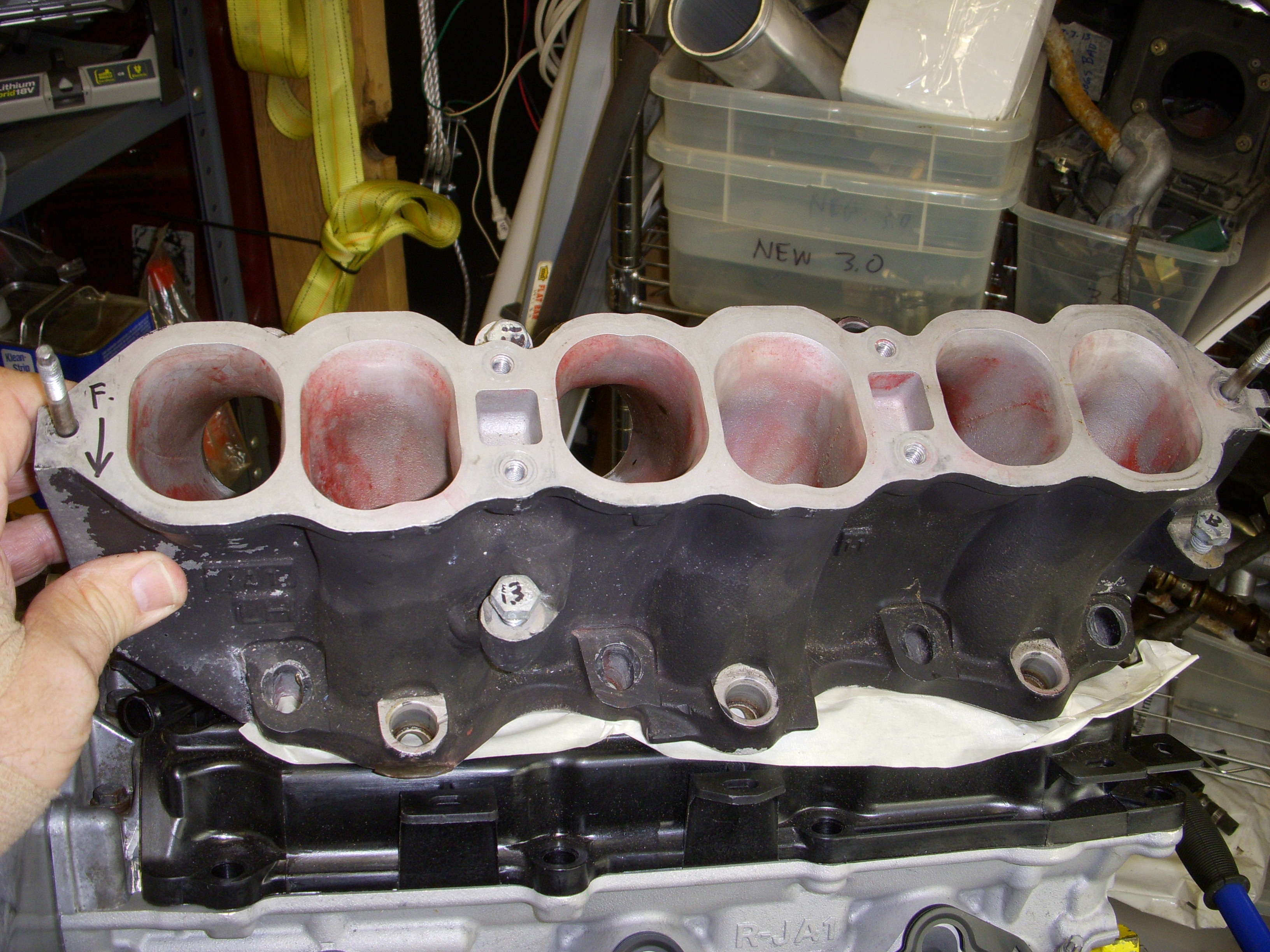
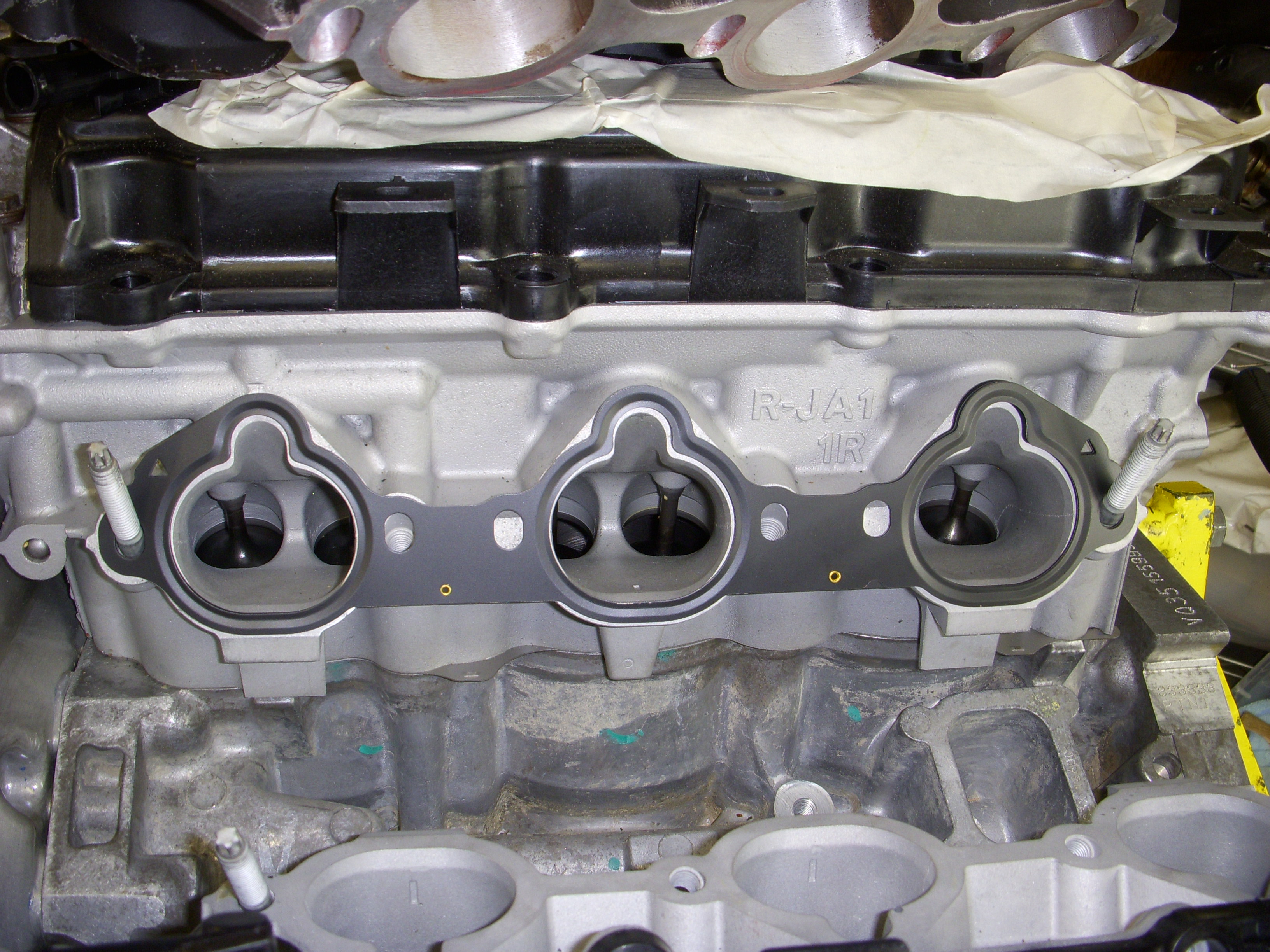
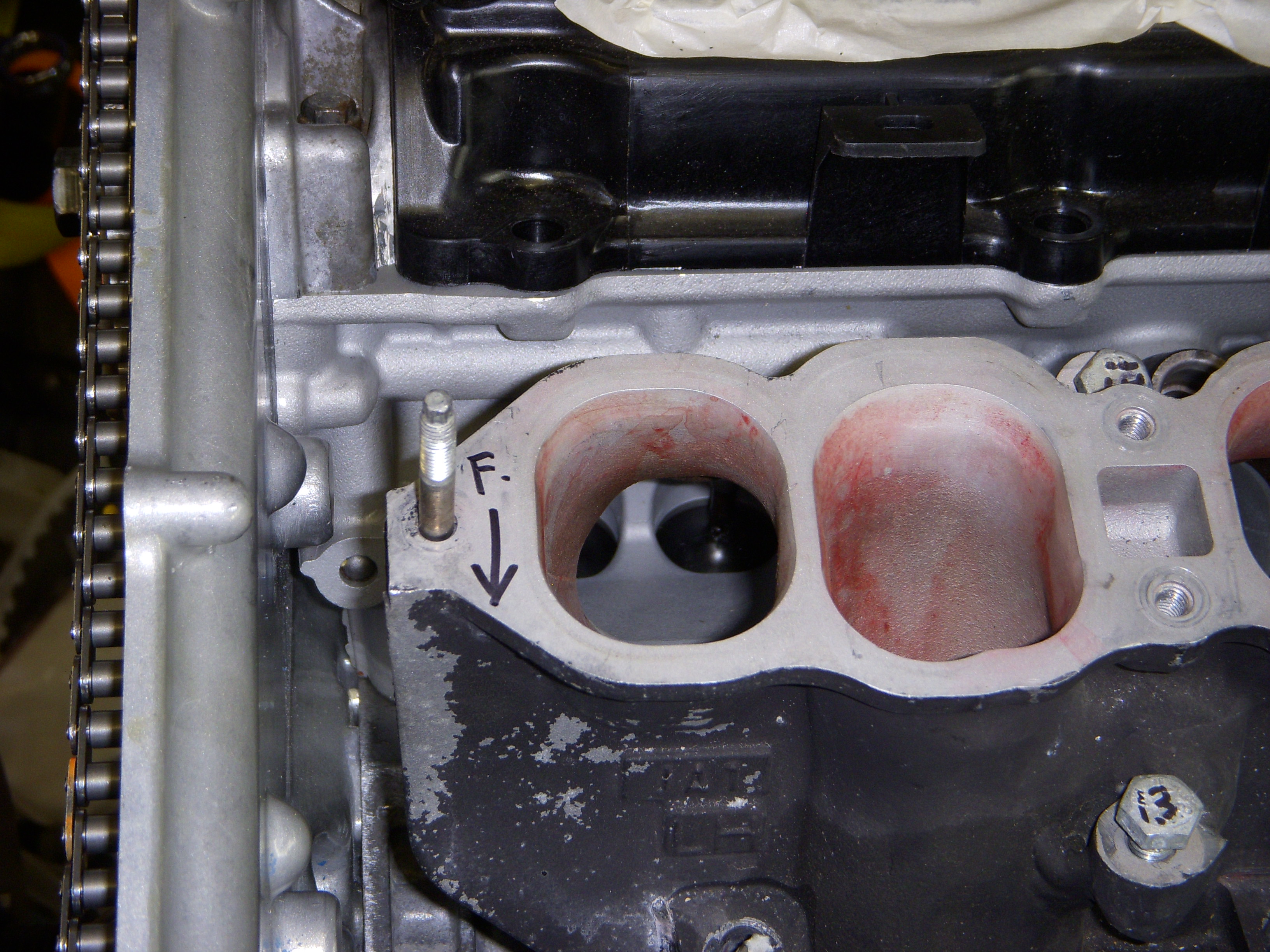
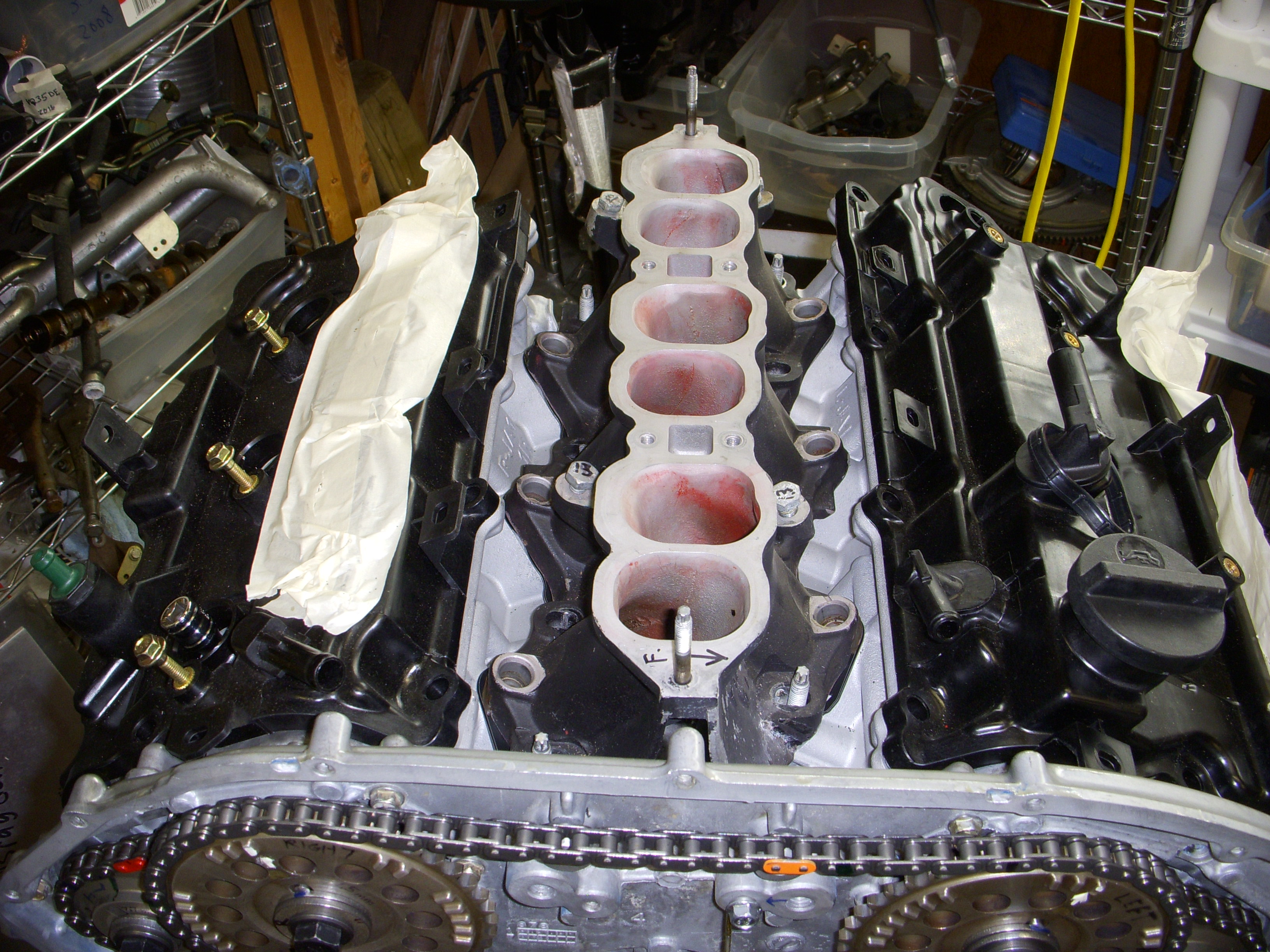
Time to check out the intake manifold options now. I retrieved the modified 2010 Maxima LIM from the Cosworth-equipped engine and got out a new set of intake manifold gaskets (the ones with the larger ports), put some of the manifold studs in the HR heads, added gaskets, dropped the LIM in place, and POOF everything matched up. I still have the modded fuel rails for that LIM so all is good, and I can start up with the 2010 Maxima UIM (upper). Good to go with all that. That red paint in the LIM ports is left over from port-matching the Cosworth heads.
Weaddy to Wock and Woll....
Last edited by grey99max; Jan 16, 2017 at 04:28 PM.
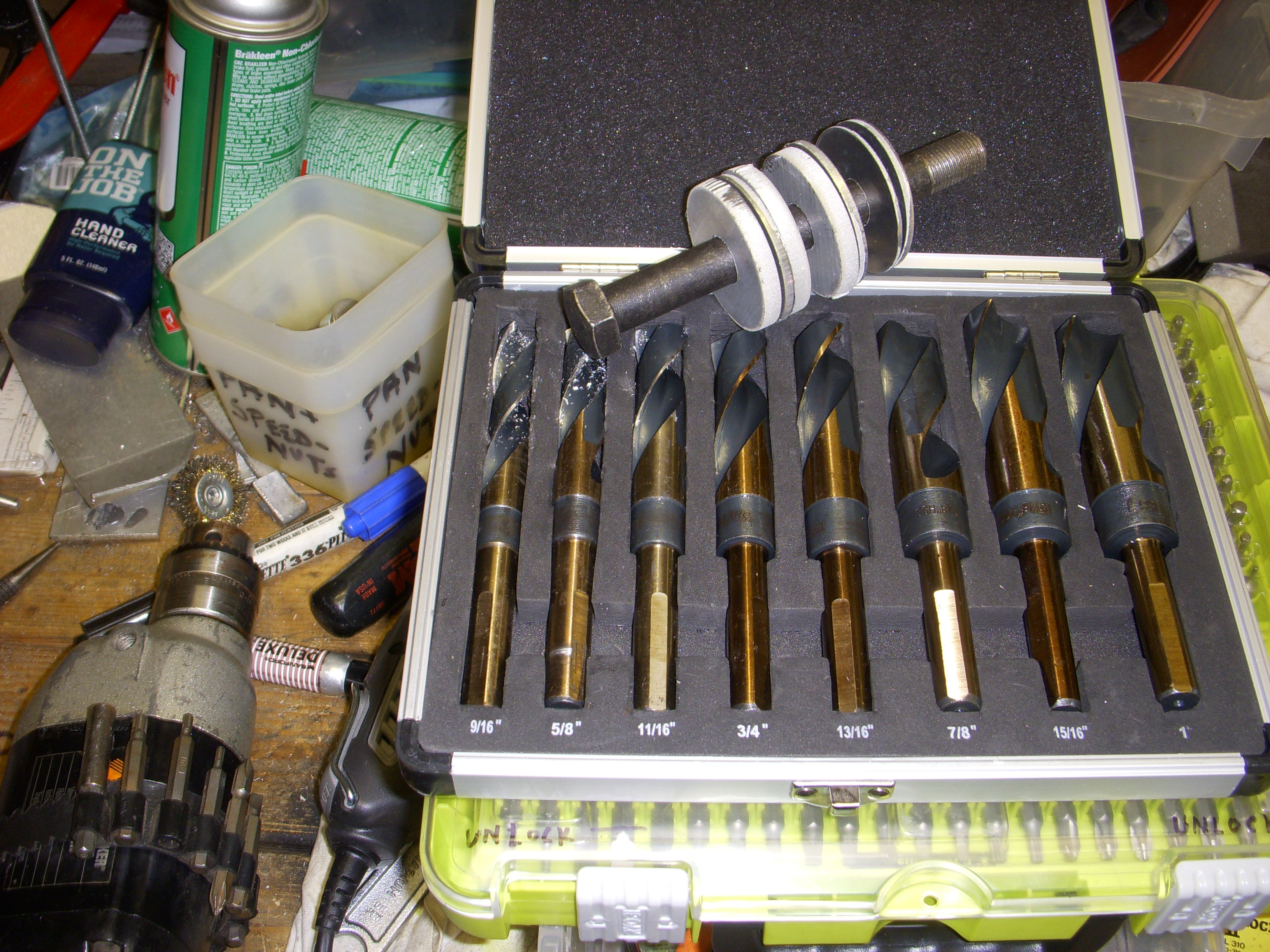
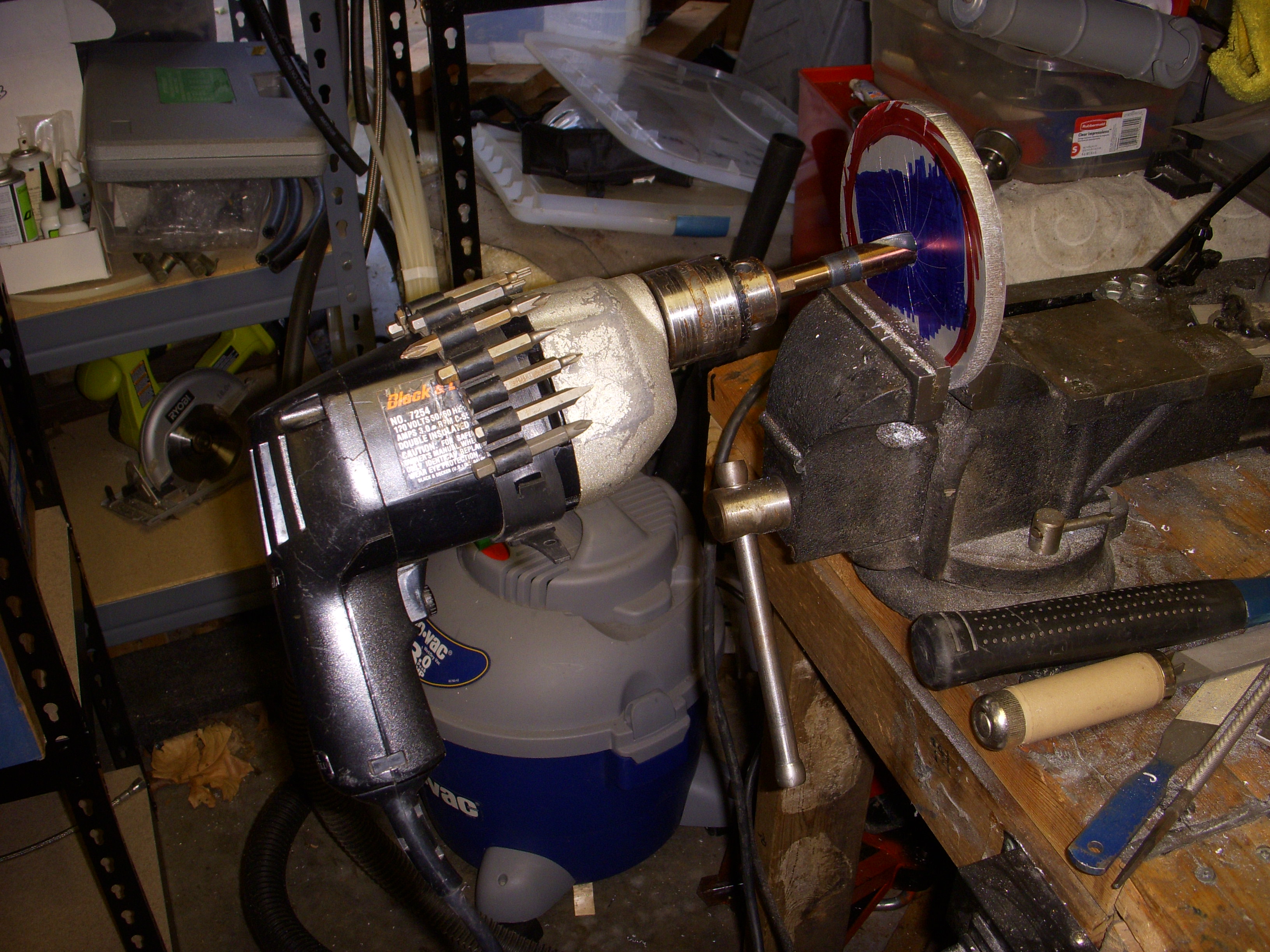
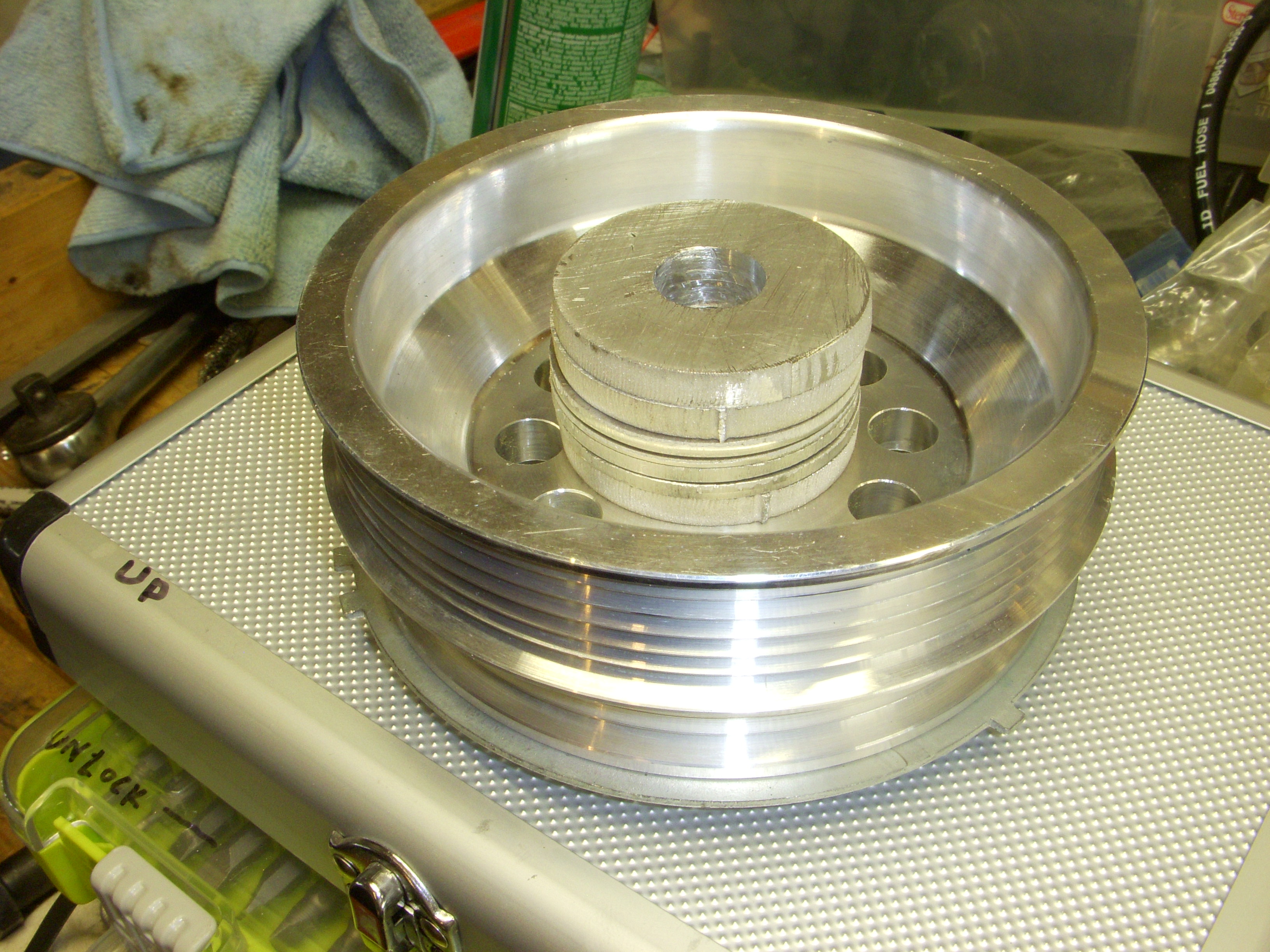
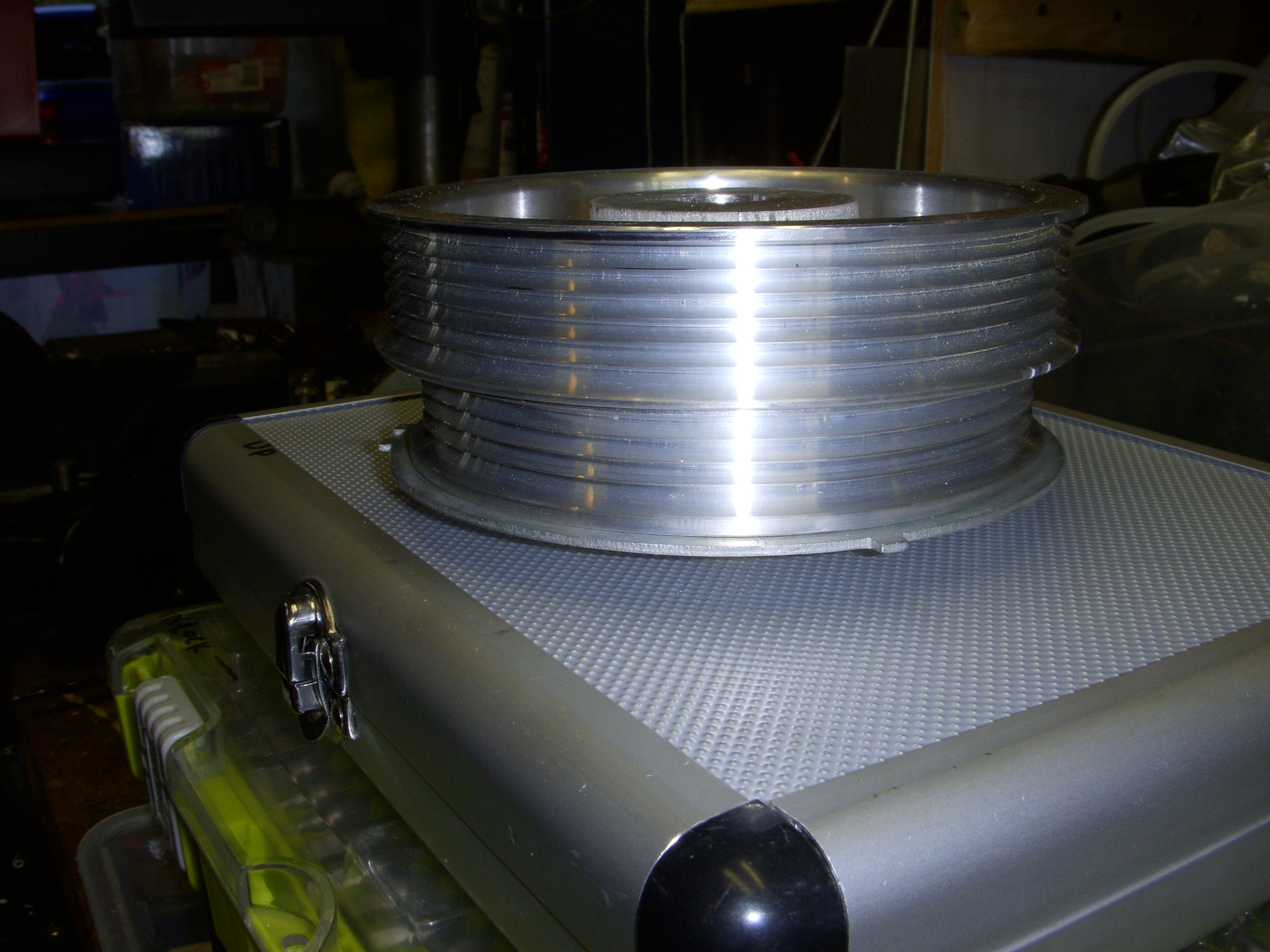
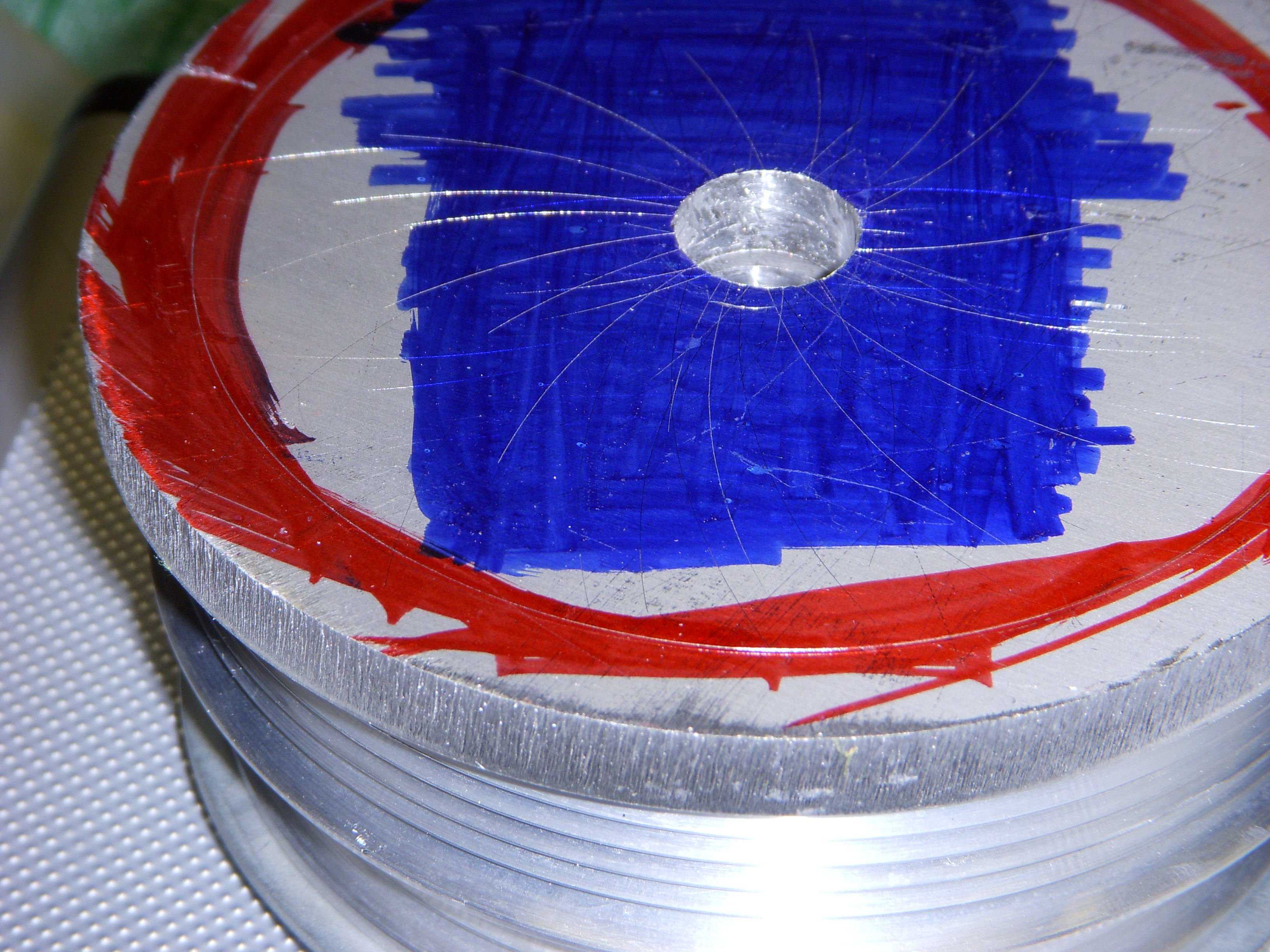
Previously I had measured for spacers for the alloy pulley, and came up with a stack of 2" aluminum discs that were about 50 thousands short of reaching the 3/8" thick disc that goes over the end of the Razco pulley. Also ordered a few M16 x 1.5 bolts of a few lengths - because. Drilled out everything tonight and did a test assembly which was OK. Still need to mount the 36-1 trigger wheel from Belarus on the 3/8" disc and that will be done. Maybe tomorrow...
Dang, this stuff sure goes faster that installing and degreeing-in 4 monster JWT cams !!
Last edited by grey99max; Jan 16, 2017 at 04:34 PM.
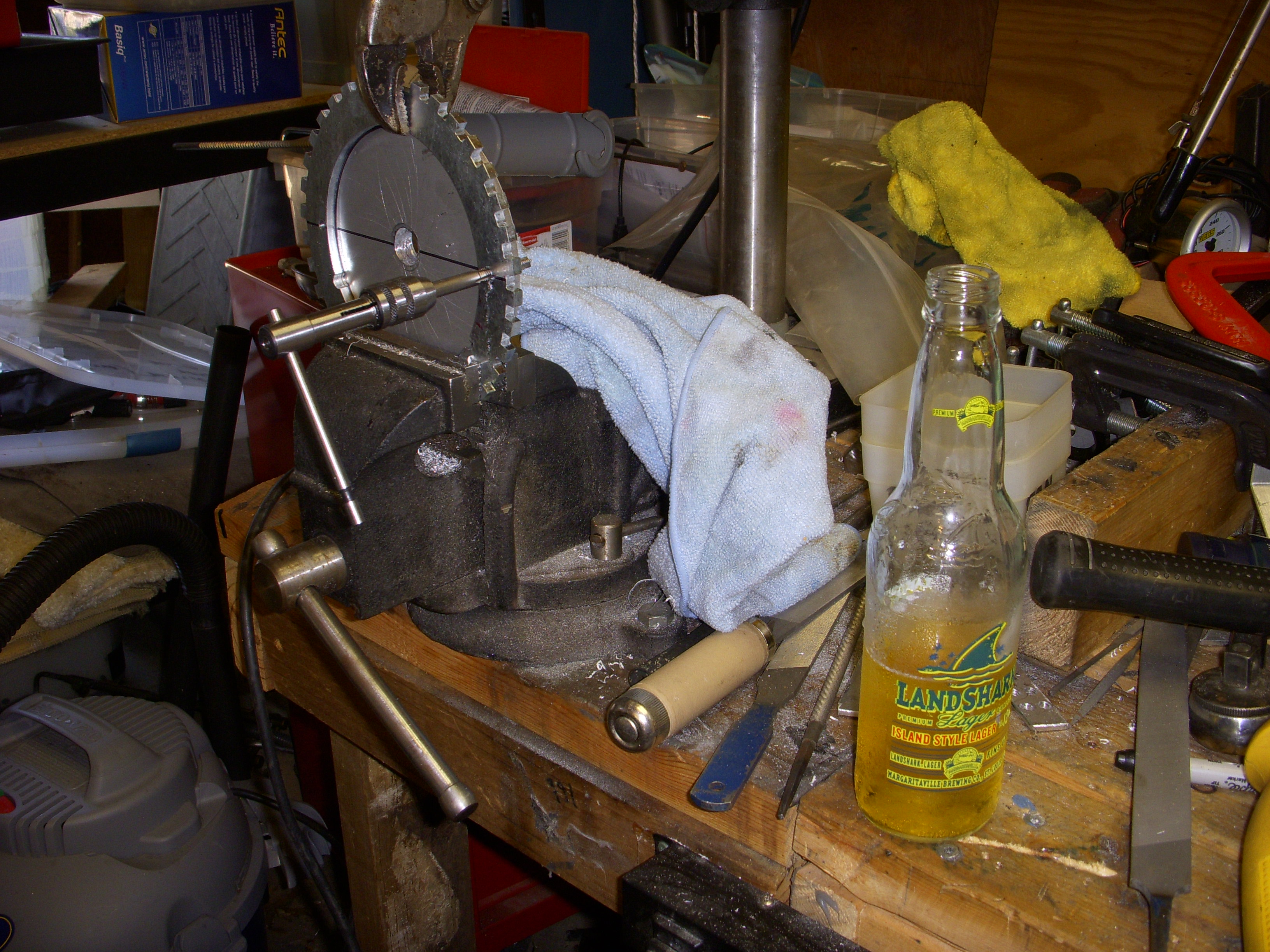
Went to the hardware store and picked up some M6x1.0 hex-head screws, a matching set of a bit and tap for the screws, got out a Land Shark lager, and started drinking beer, tapping and punching holes and screwing. Oh, for the good old days....
Need to make an adjustable mount for a trigger wheel Hall sensor, then pull off the heads and get on with the next stage of head installation. The puny 50 lb test springs come out and get replaced with the special HR springs, with double shims on the intakes, then testing for maximum travel on each valve to be sure there is no binding or bottoming - otherwise surgery.
I haven't found any good evidence that larger valves make much difference in head breathing. There are examples of all-out competition cars with full HR head porting but details are few. I'm going to keep researching this - there are a few companies that port the HR heads for the real racers, so maybe some phone calls are needed.
Last edited by grey99max; Jan 16, 2017 at 04:49 PM.
Don't spend any serious $$ on a 3.0 - install a 2005+ 3.5 with JWT S1 cams - spray a little nitrous, and be in the 12s. Did that. Zooommmm..... and you'll spend less money. Check with Fakie in Olathe - I think he's still got a max w/3.5.
Nissan has an amazing number of interchangeable parts that most people don't know about - except for the real gurus on this forum (not me - I'm still looking). The same 4 spd automatic transmission (4AT) is found in Nissan Maximas from 1995 thru 2004 and in the Altima thru 2006. The VQ35DE came out in 2002 and it's still being made for Nissans and Infiniti and probably other stuff. Most parts and cars/trucks are made in Tennessee now - my 2012 Frontier is all 'Murican.
Explore your options here if modding your car -
I won't be doing any drag racing but, rather road or grand touring. there is ton of stuff one can do to any engine knowing these parts fit your 05+ means even more options, more options for me too if the 05 uses the same bolt patterns as the 2001-2003 vq.
There are advantages to the 3.0 at least legally speaking if you go forced induction since it's the only one that is 50 state legal to super charge. There are some other possible advantages but, i have some research to do on to see if it's even true.
EDIT: competition cars running the heads you have or VQs or do you mean in general? I know a guy I might inquire about opinions.
EDIT: If I remember bigger valves do help but, duration and lift are the big one. sometimes small positive changes aren't measurable or at least not with out combination of other small little modifications. cylinder size and stroke, i assume would have play on how true that is as well as the desired RPM range, at least with N/A.
Last edited by cdoublejj; Aug 1, 2016 at 01:37 PM.
I won't be doing any drag racing but, rather road or grand touring. there is ton of stuff one can do to any engine knowing these parts fit your 05+ means even more options, more options for me too if the 05 uses the same bolt patterns as the 2001-2003 vq.
There are advantages to the 3.0 at least legally speaking if you go forced induction since it's the only one that is 50 state legal to super charge. There are some other possible advantages but, i have some research to do on to see if it's even true.
EDIT: competition cars running the heads you have or VQs or do you mean in general? I know a guy I might inquire about opinions.
EDIT: If I remember bigger valves do help but, duration and lift are the big one. sometimes small positive changes aren't measurable or at least not with out combination of other small little modifications. cylinder size and stroke, i assume would have play on how true that is as well as the desired RPM range, at least with N/A.
I don't think I can be much help here - sounds like you are still deciding what you want to do with your 3.0, right?
well in theory if the bolt patterns are the same i know have more options like HR heads and what not. if any thing it's fun to read and that's plenty good in it's self.
I remembered this Nissan HR engine comment from GM News:
" Unlike the VQ35DE, which had an open quenchless combustion chamber, the VQ35HR has a pentroof chamber with quench pads on either side of the intake and exhaust valves, much like the older VQ30DE had. This is presumably where the increase in compression ratio came from and should also result in better combustion and less detonation due to higher mixture turbulence and more homogeneousness of the fuel air mixture as the piston hits TDC on the compression stroke. There are rumors that the HR has larger valves but we cannot confirm this.
A big improvement over the VQ35DE, the VQ35HR has a combustion chamber that has two quench pads per cylinder for improved combustion and detonation resistance. "
well in theory if the bolt patterns are the same i know have more options like HR heads and what not. if any thing it's fun to read and that's plenty good in it's self.
Harold is into the 3.5 bro, you wanna talk dek holla at me. I am in the middle of doing some unheard of stuff to my 3.0. (not to take away from what harold is saying, a 3.5 on the bottle is stupid quick... but if you wanna keep your 3.0...)
Harold is into the 3.5 bro, you wanna talk dek holla at me. I am in the middle of doing some unheard of stuff to my 3.0. (not to take away from what harold is saying, a 3.5 on the bottle is stupid quick... but if you wanna keep your 3.0...)
Looking good man!
Well, yeah, right about the 3.0 head - also that the HR heads have even better quench control than the 3.0 and that you should consider using that head for its superior breathing over all VQ heads - you know, in case you missed that somehow...
We're having another OMG heat wave here so not much accomplished over the last few days - 98* today.
There's several things to cover once I post another wad of photos, but that can wait. Think "oil accumulator" and "remote oil filter", for instance.....